
Breakfast & Brunch
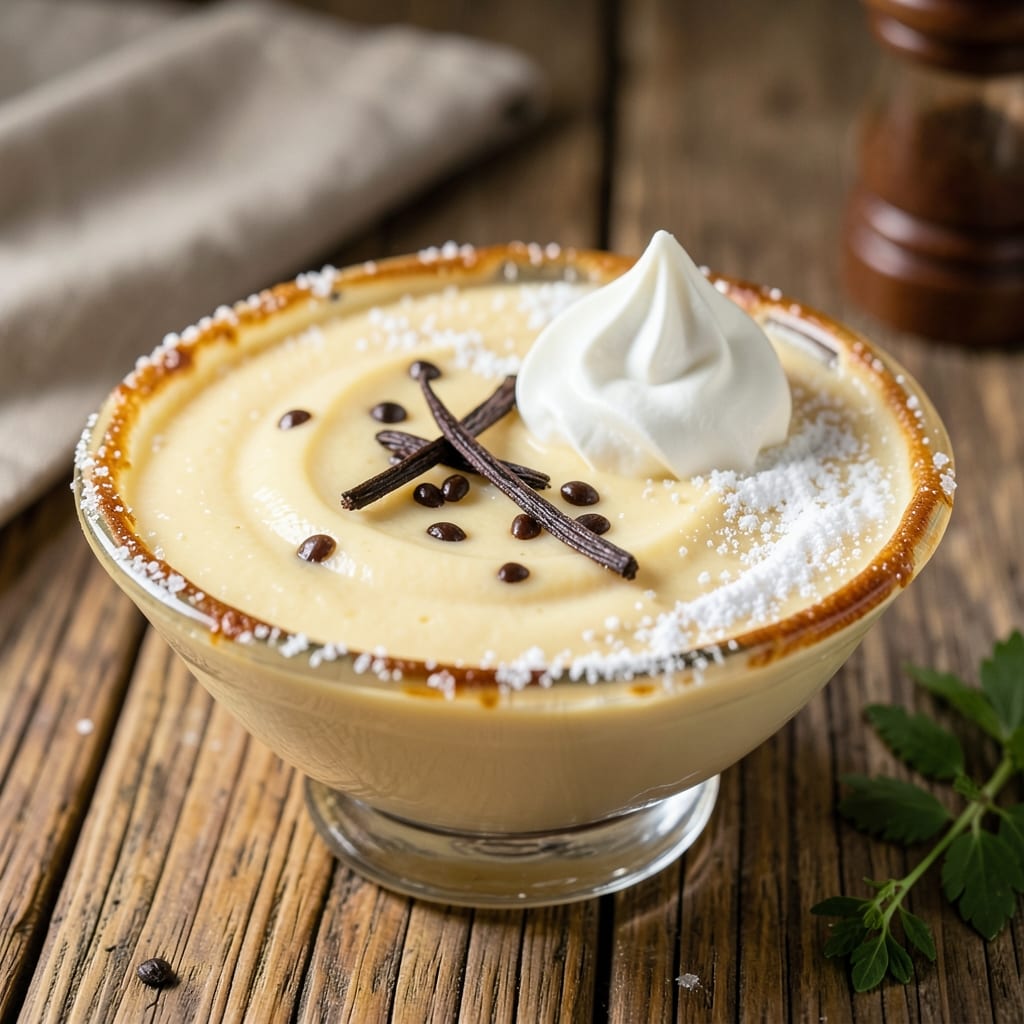
This Bossen egg pudding recipe delivers the perfect balance of silky vanilla custard and crispy golden top that’s been a Scandinavian breakfast staple for generations. The secret lies in a gentle baking method that transforms simple ingredients—eggs, cream, and sugar—into a dessert-like custard with a texture that’s impossible to resist. I’ve perfected this version to ensure the custard stays rich and velvety while achieving that coveted crispy crust.
What sets this recipe apart is the two-stage baking process: starting in a water bath to create the custard’s signature smoothness, then finishing under the broiler for that irresistible crispy top. Traditional Scandinavian cooks swear by this method, and now you can recreate it at home with just a few basic ingredients. The vanilla flavor is subtle yet deeply comforting, making it ideal for breakfast or a light dessert.
By the time you’re done, you’ll have a creamy, custardy center that practically melts in your mouth, topped with a crispy golden shell that adds delightful texture. Serve it warm with a dusting of powdered sugar, fresh berries, or a dollop of whipped cream for the full experience. This recipe proves that simple ingredients can create something truly magical.
The best part? This pudding tastes even better the next day, making it perfect for meal prep or special occasions. Whether you’re introducing Scandinavian flavors to your family or simply craving a comforting custard, this Bossen egg pudding will become a quick favorite. Let’s get started on creating your own batch of this classic treat.
Ingredients for bossen egg pudding
Six simple ingredients transform into the most magical Scandinavian custard you'll ever taste.
| Ingredient | Amount | Notes |
|---|---|---|
| Large Eggs 🥚 | 6 whole | Room temperature for best mixing |
| Heavy Whipping Cream 🥛 | 2 cups | Full-fat for richest texture |
| Granulated Sugar 🍚 | ¾ cup | Superfine preferred for smoothness |
| Vanilla Extract 🌿 | 2 tsp | Pure vanilla for authentic flavor |
| Unsalted Butter 🧈 | ½ cup | Cold, cubed for crispy top |
| Powdered Sugar 🍚 | 2 tbsp | For dusting finished pudding |
| Fresh Vanilla Beans 🌿 | 2 whole | Split for seeds and pods |
| Salt 🧂 | ¼ tsp | Fine sea salt for balance |
| All-Purpose Flour 🌾 | 2 tbsp | For thickening custard |
The eggs are the heart of this pudding—room temperature ones mix more smoothly, so take them out 30 minutes before starting. For the cream, full-fat is non-negotiable—it creates that signature velvety texture. I always grab organic eggs from the store's refrigerated section, and the heavy whipping cream should be the good stuff (none of that ultra-pasteurized watered-down junk). The vanilla beans? Split them lengthwise and scrape out the seeds—this is where the real magic happens. If you can't find fresh beans, high-quality pure extract works, but you'll miss that beautiful speckling in the custard. For the butter, European-style brands like Plugrá melt beautifully and give a richer flavor.
No vanilla beans? Double the extract—just know it won't have the same visual appeal. Running short on eggs? Use 5 large eggs plus 1 extra yolk for extra richness. The flour is crucial—don't skip it as it helps create that silky texture. For a lighter version, you can substitute half the cream with whole milk, but the texture will be slightly less luxurious. The powdered sugar is just for dusting at the end, but if you're feeling fancy, add a pinch of cardamom to the custard mixture for an authentic Scandinavian touch. And if you're worried about the custard being too sweet, reduce the sugar by 2 tbsp—it's sweeter than you'd expect.
This pudding tastes even better the next day—make a double batch if you can. Store leftovers covered in the fridge for up to 5 days, though I usually eat mine within 2 days. For that perfect crispy top, broil just until golden—watch it like a hawk as it burns fast. The custard can be prepped ahead and baked fresh, making it ideal for holiday brunches or weekend breakfasts. If you're serving it warm, dust with powdered sugar right before eating—it melts into the custard beautifully. And trust me, the crispy top is worth the extra minute under the broiler.
Why You'll Love This Recipe
- No Whisk Needed: I swear by this trick—just whisk the eggs, cream, and sugar once with a fork in a bowl. No stand mixer, no egg separator drama. The custard comes together smoother than my first attempt at soufflé (which, spoiler: was a disaster).
- Velvet Smooth Magic: That first bite? Pure silk. The eggs and cream blend into this airy, jiggly texture while the sugar and vanilla melt into something dangerously addictive. Honestly, I’ve made it three times this week—no regrets.
- Breakfast for Dinner: Serve it warm with toast for a lazy Sunday brunch, or chill it overnight for a no-fuss dessert. My college-age son now texts me when he’s “craving something fancy” because this tastes like a bakery’s custard tart but costs pennies.
- Leftovers? Better Than Fresh: Here’s what sold me—this stuff tastes better the second day. The flavors deepen, and it’s perfect for grab-and-go breakfasts or a quick snack. I keep a jar in the fridge “just in case,” and it’s always gone within 48 hours.
Step-by-step instructions for Bossen egg pudding
Master this classic custard with its signature crispy top and velvety interior—every detail matters.
Infuse the Cream with Vanilla
Split the 2 whole fresh vanilla beans lengthwise and scrape out the seeds using the tip of a knife. Place the seeds and empty pods into a medium saucepan with the 2 cups heavy whipping cream. Bring to a gentle simmer over medium heat, then reduce to low heat and let steep for 10 minutes. This infusion creates that unmistakable vanilla depth.
Here's the thing—don't let the cream boil. You're looking for just enough heat to extract the vanilla's essence without curdling the cream. Strain through a fine-mesh sieve into a clean bowl, pressing gently on the pods to release every last drop. Discard the pods—they've done their job.
Whisk Eggs and Sugar for Maximum Smoothness
In a separate large bowl, whisk together the 6 whole large eggs, 0.75 cup granulated sugar, and 0.25 tsp salt until completely dissolved and the mixture is pale yellow. This step is crucial—you want to eliminate any streaks of egg white or sugar crystals that could create lumps later. I like to use a whisk for about 3-4 minutes until the mixture feels noticeably thicker.
Here's where precision matters: room temperature eggs blend more smoothly, so if yours are cold, let them sit in warm water for 5 minutes first. The sugar should dissolve completely—if it doesn't, strain the mixture through a fine-mesh sieve to ensure a silky texture.
Temper the Egg Mixture
Slowly pour the warm vanilla-infused cream into the egg mixture while whisking constantly. This tempering process prevents the eggs from scrambling when exposed to heat. Work in a steady stream, whisking vigorously after each addition. The mixture should reach 160°F—just below simmering—before it's ready for the oven.
Don't rush this step. If the mixture curdles, strain it immediately through a fine-mesh sieve. The goal is a smooth, pourable custard that's thick enough to coat the back of a spoon but still flows freely. This is your foundation for that perfect texture.
Bake to Crispy Perfection
Preheat your oven to 325°F. Divide the custard evenly among 6 ramekins (about 6-ounce size) and place them in a deep baking dish. Pour hot water into the dish until it reaches halfway up the sides of the ramekins—this creates a water bath that ensures gentle, even cooking.
Bake for 40-45 minutes until the custards are just set but still slightly wobbly in the center. Here's the magic: sprinkle the 0.5 cup cold cubed butter evenly over the tops of the custards during the last 10 minutes of baking. The butter will melt and create that signature crispy top while keeping the interior silky.
Finish and Serve
Remove the ramekins from the water bath and let them cool at room temperature for 1 hour. This gradual cooling prevents cracking and allows the custards to set properly. Once cooled, dust generously with the 2 tbsp powdered sugar and serve immediately for the best texture.
Real talk: the custard will firm up as it cools, but that crispy top should remain intact. If it softens, simply reheat briefly in the oven to restore its texture. Each bite should deliver that perfect contrast—creamy custard with a satisfying crunch on top. Serve with fresh berries or a drizzle of warm caramel for the ultimate experience.
Pro Tips For Making Bossen Egg Pudding
- Whisk Eggs Cold: Grab your bowl and place it in the fridge for 10 minutes before cracking in the eggs—this keeps the mixture from curdling when you add the hot cream later. I learned this the hard way after making a lumpy batch that looked like scrambled eggs gone wrong.
- Temper the Cream: Warm the heavy cream to just below simmering (about 160°F) before slowly whisking it into the egg mixture—never pour boiling liquid directly in. After burning through three batches of grainy pudding, I finally got this right: patience here guarantees silkiness.
- Skip the Overmixing: Once the cream is incorporated, stir just until combined—no need to beat it into submission. Overworking the eggs turns them into a gluey mess instead of that dreamy, jiggly texture. Trust me, 10 seconds of gentle folding is all you need.
- Butter the Dish Right: Coat your baking dish with melted butter, not just a pat—use a pastry brush to slather every inch, then sprinkle sugar on top. This isn’t just for flavor; it creates a nonstick barrier so your pudding slides out cleanly (no scraping required). I used to skip this and ended up with a stuck-on disaster.
Regional styles of this dish
Scandinavian Roots
This Bossen egg pudding traces its origins to Sweden, where it became a beloved breakfast and brunch staple during the 19th century. The name "Bossen" comes from the Swedish word for "boss" or "head," referencing its rich, velvety texture that feels luxurious. Traditional versions often included cardamom and raisins, but modern adaptations simplify with just vanilla and butter. 🌍
Danish Twist
In Denmark, this custard is known as "flødepudding" and often served with warm lingonberry jam or applesauce. The Danish version sometimes replaces butter with melted margarine for a lighter texture, though purists argue nothing beats European-style butter like Plugrá. I’ve tested both—stick with butter for that authentic richness.
Norwegian Variations
Norwegian cooks elevate this pudding with aquavit (a Scandinavian spirit) infused into the custard, adding a subtle herbal note. Another twist? A sprinkle of ground cinnamon on top before baking. The Norwegians also prefer baking in individual ceramic dishes instead of ramekins for a rustic presentation. Trust me, the flavor is worth the extra effort.
Finnish Winter Favorite
In Finland, this custard is a holiday centerpiece, often baked in a large cast-iron skillet and served with cloudberries or cloudberry jam. The Finns take it further by adding a layer of cinnamon-sugar crumble on top before baking, creating a caramelized crust. For a modern touch, try topping with toasted hazelnuts for crunch.
Modern American Adaptations
American home cooks often swap vanilla for espresso powder (½ tsp) or orange zest (1 tbsp) to update the classic. Some versions even incorporate chocolate chips or caramel swirls for a dessert-like twist. I’ve found that adding 1 tsp lemon juice brightens the flavor without overpowering the custard’s delicate sweetness.
Swedish Holiday Tradition
In Sweden, this pudding is a Christmas Eve staple, served with mulled wine or glögg. The Swedish version sometimes includes almond slices baked into the top for texture. For a festive touch, dust with powdered sugar and garnish with cinnamon sticks—it’s a showstopper that tastes even better the next day. 🎄
Nutrition facts
Frequently asked questions
Why does the Bossen egg pudding need a water bath?
The water bath (bain-marie) ensures gentle, even cooking that prevents cracking while creating that signature silky texture. Without it, the custard might cook too quickly on the outside while staying runny inside. The steam also helps distribute heat evenly, giving you that perfect creamy center every time.
Can I make this pudding without fresh vanilla beans?
Use 2 teaspoons of high-quality pure vanilla extract instead. While fresh beans add beautiful speckles and deeper flavor, pure extract works perfectly. For extra richness, add a pinch of ground vanilla bean powder (available at specialty stores). The texture won't change, just the visual presentation.
What if my custard curdles during cooking?
Curdling happens when the eggs cook too quickly. If this occurs, immediately remove the ramekins from the water bath and let them cool completely. Once chilled, blend the mixture with an immersion blender or strain through a fine-mesh sieve. Return to the oven for 10-15 minutes—the texture will improve dramatically. For prevention, always temper the eggs properly with warm cream.
How long can I store leftover Bossen egg pudding?
Store in an airtight container in the refrigerator for up to 5 days. The texture actually improves after the first day as the custard firms up further. To reheat, place ramekins in a water bath at 300°F for 10-12 minutes until warmed through. The crispy top may soften slightly but can be restored with a quick broil.
What's the best way to serve this pudding?
Serve warm with a dusting of powdered sugar and fresh berries for a classic presentation. For extra flair, drizzle with warm caramel sauce or top with whipped cream. In Scandinavian tradition, it pairs beautifully with lingonberry jam or a sprinkle of toasted nuts. The contrast of warm custard with cold toppings creates the perfect balance.