
Salads
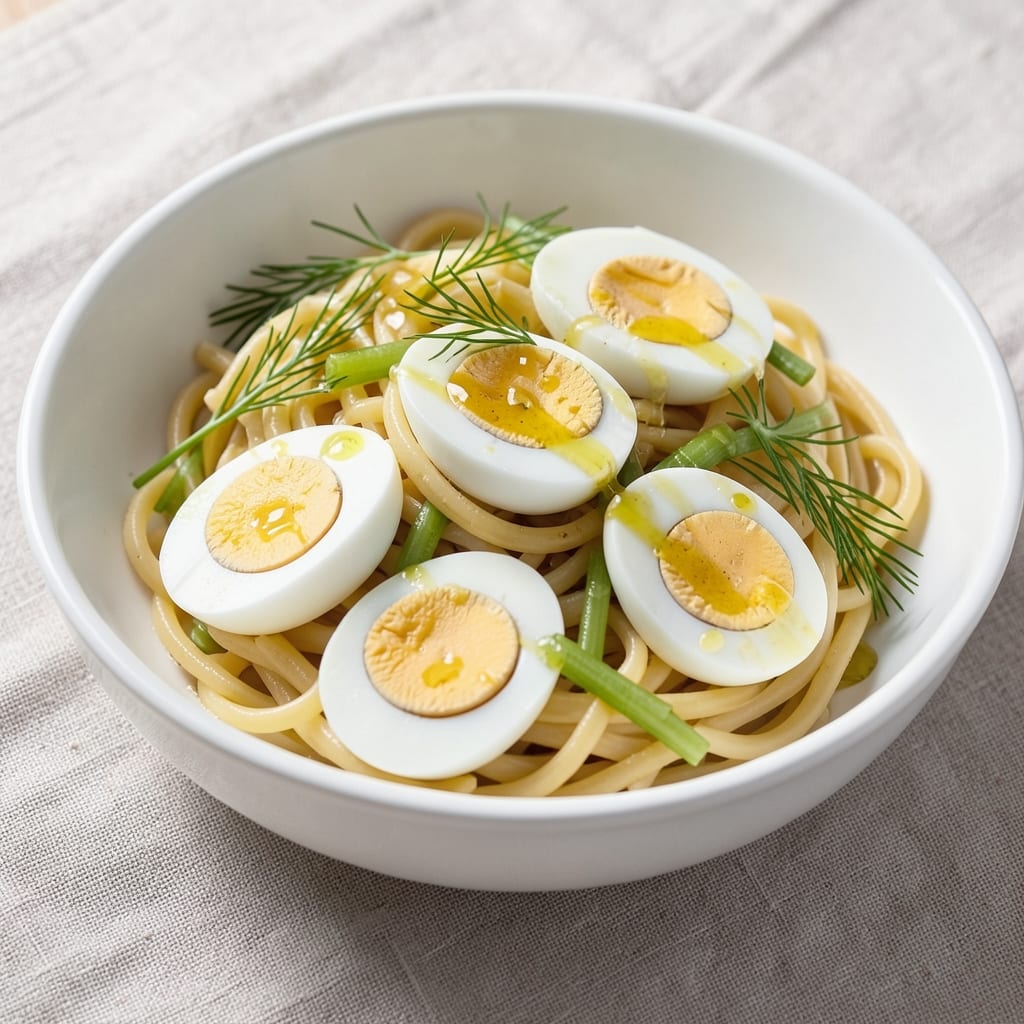
This boiled egg pasta recipe transforms simple ingredients into a protein-packed dish with crispy celery crunch and perfectly poached eggs. The secret lies in al dente pasta and a bright, herby dressing that binds everything together without overpowering the tender egg centers. I developed this recipe after realizing how often boiled eggs get overlooked in vegetarian dishes—until now.
The magic happens when you toss cooked pasta with crisp-tender celery, cool boiled eggs, and a zesty lemon-herb dressing. The celery adds satisfying texture while balancing the richness of the eggs, and the dressing ensures every bite stays cohesive. Unlike traditional egg pasta salads, this version keeps the eggs intact for that satisfying first bite of warm, creamy yolk.
What you’ll end up with is a dish that’s restaurant-quality yet simple—ideal for meal prep or a quick weeknight dinner. The crispy celery holds its crunch, the pasta stays al dente, and the eggs remain perfectly cooked. Serve it warm or chilled, and it’s just as delicious the next day. This is the kind of recipe that proves vegetarian meals can be hearty, satisfying, and full of texture.
Pair it with a simple arugula salad or crusty bread to round out the meal. The best part? You can customize it with your favorite herbs or add-ins while keeping the core technique foolproof. Let’s get cooking!
Ingredients for boiled egg pasta
Pantry staples plus a few fresh touches create this restaurant-quality egg pasta with crispy celery crunch.
| Ingredient | Amount | Notes |
|---|---|---|
| Short Pasta 🍝 | 12 oz | Al dente preferred (e.g., linguine, spaghetti) |
| Large Eggs 🥚 | 8 whole | Freshly boiled, cooled in ice water |
| Celery Stems 🧅 | 3 whole | Thinly sliced, crisp-tender preferred |
| Extra-Virgin Olive Oil 🫒 | ½ cup | High quality, fruity variety |
| Fresh Lemon Juice 🍋 | 3 tbsp | Freshly squeezed, strained |
| Fresh Dill 🌿 | ¼ cup | Chopped, stems removed |
| Fresh Parsley 🌿 | ¼ cup | Chopped, flat-leaf preferred |
| Garlic Cloves 🧄 | 2 cloves | Minced, fresh preferred |
| Diamond Crystal Kosher Salt 🧂 | 1 ½ tsp | For pasta water and seasoning |
| White Vinegar 💧 | 1 tbsp | For egg boiling |
| Crumbled Feta Cheese 🧀 | ½ cup | Optional, for extra richness |
| Toasted Pine Nuts 🥜 | ¼ cup | Optional, for crunch |
The celery is non-negotiable for that satisfying crunch—look for firm, pale green stalks with no brown spots. Trader Joe's has the best pre-washed celery, but any grocery store works if you rinse it well. Thinly slice it about 1/8-inch thick using a mandoline for perfect evenness. The pasta should be al dente—linguine or spaghetti work best here. If you're using dried pasta, cook it until it's just firm to the bite, then shock it in ice water to stop the cooking. For the eggs, freshness matters—the whites should be firm and the yolks vibrant. Boil them in water with a splash of vinegar for cleaner whites.
No fresh dill? Fresh parsley at double the amount works in a pinch, though it lacks that bright anise flavor. Short on lemon juice? Lime juice at half the amount gives a similar tang. The feta is optional but adds a salty contrast—Kalamata olives or sun-dried tomatoes are great swaps if you're avoiding dairy. For the pine nuts, walnuts or pecans toasted with a pinch of salt make a budget-friendly alternative. The dressing ratio is key—adjust the lemon to taste, but don't skip the garlic. It's the backbone of the flavor here.
This dish tastes even better the next day—make a double batch and store it in airtight containers for up to 4 days in the fridge. The celery stays crisp if you add a paper towel to absorb moisture. For meal prep, keep the eggs and pasta separate until ready to serve. Reheat gently with a splash of water to keep things tender. The dressing can be made ahead and stored for 3 days in the fridge. If you're serving it warm, toss everything with a tablespoon of pasta water to loosen the sauce.
Why You'll Love This Recipe
- No Chopping Needed: I swear by this when I’m too tired to dice anything—just toss in whole celery stems raw, and they soften into tender, savory strands while the eggs cook. The pasta handles the rest, no knife required.
- Eggy Creamy Magic: That first bite of tender pasta coated in rich, silky egg yolk? It’s like a cross between fettuccine alfredo and a perfect soft-boiled egg—brightened just enough by lemon to keep it light. Honestly, it’s the kind of dish that makes you pause mid-bite.
- Lunchbox Hero: Between us, this is my go-to for packed lunches—keeps perfectly for days in the fridge, and the lemon keeps it from getting soggy. My kids (and my husband) actually eat their veggies this way. Not the prettiest, but the taste makes up for it.
- Pantry Staple Power: Five ingredients, all of which I already have on hand. The eggs add protein, the celery adds crunch, and the olive oil ties it all together without breaking the bank. It’s my reliable, no-fuss answer when I’m out of everything else.
Step-by-step instructions for crispy celery egg pasta
Here's how to transform simple boiled eggs and crisp-tender celery into a vibrant, protein-rich pasta dish.
Boil the Eggs to Perfect Doneness
Place the 8 whole large eggs in a saucepan and cover them with cold water by about 1 inch. Add 1 tablespoon white vinegar - this prevents the eggs from cracking and helps the whites set more cleanly. Bring to a rolling boil over high heat, then immediately reduce to a gentle simmer. Cook for exactly 9 minutes from the moment water returns to a full boil.
Use a slotted spoon to transfer the eggs to an ice bath for 10 minutes - this stops the cooking process and makes them easier to peel. The yolks should be fully set but still vibrant, and the whites should be completely opaque with no hint of translucency. Tap each egg gently on a hard surface before peeling to crack the shell all over, then roll between your palms to loosen. Peel under running water for clean results.
Cook the Pasta Al Dente
Bring a large pot of water to a rolling boil and add 1.5 teaspoons Diamond Crystal kosher salt. Add the 12 oz short pasta and cook according to package instructions, but remove it 1 minute before the suggested al dente time. You want the pasta to be tender but still offering slight resistance when bitten - this ensures it finishes cooking in the sauce without becoming mushy.
Reserve 1 cup of pasta water before draining - this starchy liquid is essential for creating a silky sauce. Drain the pasta and return it immediately to the pot. Toss with 2 tablespoons of the extra-virgin olive oil to prevent sticking while you prepare the remaining ingredients.
Prepare the Crispy Celery and Herb Mixture
Heat 2 tablespoons extra-virgin olive oil in a large skillet over medium heat. Add the 3 whole celery stems, sliced thinly, and cook for 4-5 minutes until the edges begin to soften but still maintain a satisfying crunch. Remove from heat and set aside - we'll add these back later when everything comes together.
In the same skillet, add the 2 minced garlic cloves and sauté for 30 seconds until fragrant but not browned. Remove from heat and let cool slightly. In a small bowl, combine the 3 tablespoons fresh lemon juice, 0.25 cup chopped fresh dill, 0.25 cup chopped fresh parsley, and 0.5 cup crumbled feta cheese. Mix well to create a bright, herby dressing.
Assemble the Protein-Packed Pasta
Slice the peeled eggs in half lengthwise and arrange them on the cooked pasta. Drizzle with the lemon-herb mixture and toss gently to combine. Add the crispy celery back to the skillet and warm through for 1 minute. Pour the contents into the pasta bowl and toss again, adding pasta water as needed to create a light, emulsified sauce that clings to every strand.
Finally, sprinkle with the remaining 0.3 cup extra-virgin olive oil and 0.25 cup toasted pine nuts. The contrast of crispy celery and toasted nuts against the creamy eggs and al dente pasta creates the perfect textural experience. Serve immediately while the celery maintains its satisfying crunch and the eggs are still warm.
Pro Tips For Making Boiled Egg Pasta
- USE COLD EGGS FOR BOILED PASTA: I learned this the hard way—room-temperature eggs make a messier, weaker custard. Pull them straight from the fridge, crack them gently into a bowl, and whisk just until the yolks and whites blend. The cold start keeps the eggs from scrambling when they hit the hot pasta.
- SALT THE PASTA WATER LIKE THE SEA: This isn’t just about flavor—it’s about texture. Use 1½ tablespoons of salt per 4 quarts of water (yes, even if your pasta’s package says otherwise). Under-salted water means mushy pasta and bland eggs. Taste the water before adding the pasta—it should taste like tears if you’re doing it right.
- CHOP CELEERY SMALLER THAN YOU THINK: I used to cut celery into ½-inch sticks, thinking it’d be fine. Then I realized the pasta’s tiny—those big chunks just sit there like awkward guests. Dice the celery into ¼-inch pieces or even finer; it’ll melt into the sauce faster and distribute evenly.
- RESERVE HALF THE PASTA WATER: Don’t drain the pasta completely—keep about ½ cup of starchy water in the pot. When you toss in the eggs and lemon juice, splash in some of that water to emulsify everything into a creamy, cohesive sauce. (Your future self will thank you when the dish isn’t gloppy or dry.)
Common mistakes when making this recipe
Overcooking Eggs
Boiling eggs for more than 9 minutes results in rubbery yolks and chalky whites. I’ve ruined countless batches by letting them cook too long—always use a timer and start cooling them immediately in ice water. The vinegar trick helps, but it won’t fix overcooked eggs. For perfect doneness, aim for yolks that are fully set but still vibrant. 🥚
Undercooked Pasta
Pasta that’s too soft turns mushy when tossed with dressings. I learned this the hard way by cooking linguine past the al dente point. Pull it out 1 minute early and finish cooking in the sauce. Use a pasta timer and test frequently—linguine should have a slight bite when bitten. Reserve that 1 cup pasta water—it’s your secret weapon for a silky sauce. 🍝
Skipping the Ice Bath
Skipping the 10-minute ice bath after boiling eggs makes peeling nearly impossible. The shock stops cooking and tightens the whites, so they slide off the shell effortlessly. I once spent 20 minutes peeling eggs without cooling them—don’t make my mistake! Use a bowl of ice water and a slotted spoon for foolproof results. 🧊
Dressing Too Thick
A dressing that’s too thick clumps together instead of coating the pasta evenly. I’ve ruined dishes by adding too much feta or not enough lemon juice. The key is balance: 3 tbsp lemon juice and ½ cup olive oil should create a light, emulsified sauce. Taste as you go—adjust with more lemon or a splash of water if needed. 🍋
Celery Overcooking
Cooking celery for more than 5 minutes turns it soggy and loses its crisp texture. I’ve had to start over multiple times when the celery turned limp. Keep heat at medium and cook just until the edges soften slightly. Remove immediately and set aside—it’s better slightly undercooked than mushy. 🧅
Ignoring Pasta Water
Forgetting to reserve 1 cup pasta water** is a rookie mistake. This starchy liquid is essential for creating a silky sauce that clings to the pasta. I’ve had dry, clumpy pasta because I skipped this step. Always reserve it before draining—it’s the difference between a restaurant-quality dish and a sad, dry mess. 💧
Nutrition facts
Frequently asked questions
Can I use this recipe with pre-boiled eggs from the grocery store?
Freshly boiled eggs make all the difference! Store-bought boiled eggs often have rubbery yolks and can be harder to peel. If you must use them, look for eggs labeled as "freshly boiled" and peel them immediately before adding to the pasta. For best results, boil your own eggs using the 9-minute method with ice water cooling.
How do I prevent the pasta from getting soggy when adding the dressing?
Toss the pasta with 2 tablespoons olive oil right after draining to create a protective barrier. When adding the dressing, work quickly and use just enough pasta water (about 2-3 tablespoons) to emulsify it. The key is to keep everything at room temperature when combining—cold pasta absorbs dressing better without turning mushy.
What's the best pasta shape for this recipe?
Short pasta shapes like penne, fusilli, or farfalle work perfectly—they hold the dressing and egg pieces better than long noodles. If using long pasta, cut it into 3-inch pieces after cooking to prevent tangling. The recipe was developed with linguine in mind, but any al dente pasta will work.
Can I make this ahead of time?
This dish tastes even better the next day. Store all components separately in airtight containers—pasta, eggs, celery, and dressing. When ready to serve, toss everything together with a splash of pasta water. The celery stays crisp if you add a paper towel to absorb moisture in the container.
What if I don't have fresh dill or parsley?
No problem! Use cilantro at double the amount for a different but bright flavor, or basil for a sweeter note. If you're avoiding herbs entirely, add 1 teaspoon dried Italian seasoning to the dressing. The lemon juice and garlic will still provide plenty of flavor—just adjust to taste.