
Breakfast & Brunch
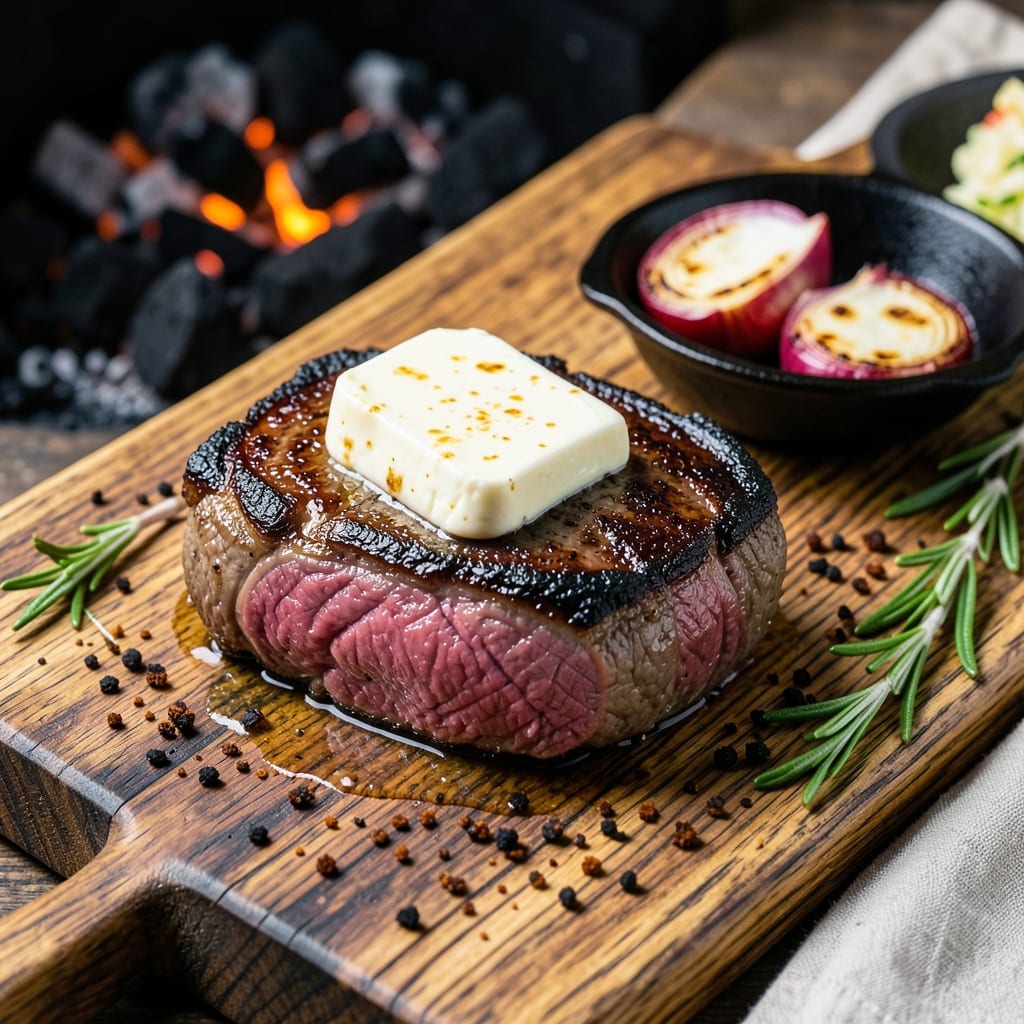
Mastering a juicy rib eye steak on your Big Green Egg transforms weekend cooking into a backyard feast. The key lies in charcoal heat control and a reverse sear technique that creates that coveted smoky crust while keeping the interior tender. I've perfected this method after countless experiments with different charcoal arrangements and cooking times—what works for cast iron doesn't always translate to the Egg's unique heat distribution.
This recipe focuses on three critical phases: proper seasoning, precise temperature management (using both direct and indirect heat), and the all-important rest period. The Big Green Egg's lid retention creates an ideal environment for developing that perfect crust while maintaining an even internal temperature throughout the steak. We'll use lump charcoal for maximum heat control and flavor infusion, with specific placement techniques that maximize your grill's capabilities.
What you'll achieve is a steak with a deep charred crust infused with smoky charcoal flavors, a pink center that yields to gentle pressure, and a surface that's perfectly caramelized without burning. The reverse sear method eliminates the guesswork of timing, while the Egg's consistent heat distribution ensures even cooking from edge to edge. This isn't just another steak recipe—it's a technique that transforms your Big Green Egg into a precision cooking tool.
The beauty of this method extends beyond the steak itself. The same charcoal setup works beautifully for grilling vegetables or crusty bread, making this a complete cooking solution for your outdoor kitchen. Once you experience the difference between store-bought steaks and one cooked this way, there's no going back to indoor grilling—or at least, not without your Big Green Egg.
Ingredients for big green egg rib eye steak
Juicy rib eye perfection starts with these essential ingredients for your Big Green Egg adventure.
| Ingredient | Amount | Notes |
|---|---|---|
| Rib Eye Steak 🥩 | 1 ½ lb | 2-inch thick cuts, bone-in preferred |
| Kosher Salt 🧂 | 1 ½ tbsp | Diamond Crystal preferred, coarse grain |
| Freshly Ground Black Pepper 🌶️ | 1 tbsp | Freshly cracked for maximum flavor |
| Lump Charcoal 🔥 | 2 lb | High-quality, natural lump charcoal |
| Butter 🧈 | ½ cup | Unsalted, cold for basting |
| Garlic Cloves 🧄 | 4 cloves | Smashed for intense flavor infusion |
| Fresh Rosemary 🌿 | ¼ cup | Chopped, for finishing touch |
| Olive Oil 🫒 | 2 tbsp | High smoke point for searing |
| Balsamic Vinegar 🍷 | 1 tbsp | For deglazing charcoal flavors |
| Meat Thermometer 🌡️ | 1 whole | Instant-read preferred for precision |
| Aluminum Foil 📄 | 1 sheet | Heavy-duty for wrapping |
The steak is your star, so skip the pre-cut packages and grab whole rib eyes from the butcher counter—2-inch thickness is key for even reverse searing. I always ask for bone-in cuts; they hold moisture better and add extra flavor. For charcoal, Cowboy Charcoal or Binchotan are my go-tos—they burn hotter and cleaner than briquettes. The Big Green Egg's lid creates a sealed environment, so you won't need as much charcoal as you would on an open grill. Pro tip: preheat your Egg for 15 minutes before cooking to ensure consistent heat distribution.
No lump charcoal? High-quality briquettes work in a pinch, but expect slightly less smoky flavor. The butter should be cold and cubed—room temperature butter will melt too quickly during basting. Fresh rosemary and garlic are non-negotiable here; dried herbs won't give the same aromatic punch. For salt, Diamond Crystal is my absolute favorite—it dissolves beautifully and has that perfect coarse texture. The balsamic vinegar might seem odd, but it's what pulls all those beautiful charcoal flavors from the grill into your crust. And that meat thermometer? Non-negotiable—your Egg's heat retention makes it easy to overcook if you're not precise.
Steaks should rest 10-15 minutes before slicing—this is where the magic happens as juices redistribute. Store leftovers in airtight containers for up to 3 days in the fridge, but honestly, they're so good you'll eat them first. The charcoal setup from this recipe works perfectly for grilling vegetables or crusty bread, so double up on fuel if you're planning a full outdoor meal. I always make extra charcoal for my next cook—it's cheaper than buying new bags and burns cleaner the second time.
Why You'll Love This Recipe
- Charcoal Magic Simplified: I swear, the Big Green Egg makes this steak foolproof—just salt, pepper, and charcoal. No fancy marinades or last-minute stress; the lump charcoal handles all the heavy lifting while I sip my coffee.
- Butter-Basted Luxury: That crispy crust? Pure satisfaction. A pat of butter basted over the last few minutes turns this rib eye into something restaurant-worthy, and honestly, it’s the easiest way to make steak taste like a splurge.
- Weeknight or Weekend: Between us, this recipe works for both. Throw it on the Egg while grilling burgers for the kids, or use it as the centerpiece for a date night when you’re too tired to fuss. Same effort, different vibes.
- Leftovers? No Problem: Two steaks for dinner, two for lunch the next day—no sad, dry reheats here. The charcoal sear keeps them juicy cold or warmed, and I’ve even sliced them thin for tacos. Versatile, reliable, my secret weapon.
Step-by-step instructions for Big Green Egg rib eye steak
Master this charcoal-grilled technique for a perfectly juicy rib eye with a smoky crust every time.
Season and Prep the Rib Eye Steak
Remove the rib eye steak from the refrigerator and let it sit at room temperature for 30-45 minutes while you prepare everything else. This ensures even cooking throughout the thick cut. Pat the steak dry completely with paper towels—moisture is the enemy of a good sear.
Generously rub all sides of the steak with 1.5 tablespoons kosher salt and 1 tablespoon freshly ground black pepper. Press the salt and pepper into the meat so it adheres well and penetrates slightly. I like to use my fingertips for this—it helps the seasoning stick better than just sprinkling. Let the seasoned steak rest uncovered for another 10 minutes while you set up the grill.
Build and Light the Charcoal Fire
Fill the Big Green Egg's charcoal chamber with 2 pounds lump charcoal, arranging it in a pyramid shape. Light the charcoal using your preferred method (I use a chimney starter for consistent heat). Once the charcoal is fully lit and covered with a thin layer of white ash, pour 1 tablespoon balsamic vinegar over the coals. This creates a smoky flavor base that pairs beautifully with the rib eye.
Let the charcoal burn until you see blue flames with minimal smoke. This usually takes about 10-15 minutes. Spread the coals evenly across the grill grates, leaving some bare spots for direct and indirect heat zones. The steak will sear over direct heat and finish cooking over indirect heat.
Sear the Steak Over Direct Heat
Place the rib eye steak on the hottest part of the grill, directly over the coals. Close the lid and sear for 4-5 minutes per side for a medium-rare doneness, or until you develop a deep crusty brown crust. I press down gently on the steak during the first minute to prevent curling and ensure even contact with the grill grates.
After the initial sear, rotate the steak 90 degrees and continue cooking for another 2-3 minutes per side. This crosshatch pattern creates beautiful grill marks while ensuring even cooking. Check the internal temperature with your meat thermometer—it should read 125-130°F for medium-rare. If you prefer a different doneness, adjust accordingly.
Move to Indirect Heat and Baste
Once the steak reaches your desired internal temperature, move it to the cooler part of the grill (indirect heat zone). This prevents overcooking while allowing the steak to rest and finish carrying over to the perfect doneness. Cut the ½ cup cold butter into small cubes and add the 4 smashed garlic cloves and ¼ cup chopped fresh rosemary to it.
Using a baster or spoon, carefully spoon the melted butter mixture over the steak every 2-3 minutes for the next 5-7 minutes. This basting step adds incredible flavor and helps create a beautiful sheen on the steak's surface. The butter should melt quickly from the residual heat, but don't rush this process—let it baste slowly for maximum flavor infusion.
Rest and Serve with Smoky Flavor
When the steak reaches 130-135°F internal temperature (accounting for carryover cooking), it's time to rest. Transfer the steak to a cutting board and loosely tent it with aluminum foil. Let it rest for at least 10 minutes—this crucial step allows the juices to redistribute throughout the meat, ensuring each bite is moist and flavorful.
Slice the steak against the grain into ½-inch thick slices and serve immediately. The crust should be crispy and smoky from the charcoal, while the interior remains tender and juicy. The garlic-rosemary butter basting adds a fragrant finish that complements the beef perfectly. Pair with roasted vegetables or a simple arugula salad to complete your meal.
Pro Tips For Making Big Green Egg Rib Eye Steak
- Preheat the Egg Longer: The Big Green Egg’s lid traps heat like a sauna—give it 15 minutes with the charcoal lit high. I used to rush this, and my rib eyes would start slow and end up uneven. That extra time means your steak hits 125°F fast and stays searing hot.
- Salt Before Butter: Season the steak generously with kosher salt and pepper at least 40 minutes before cooking. The salt breaks down the proteins, and the butter bastes onto a flavorful crust instead of melting into a bland pool. (Yes, even if you’re impatient like me.)
- Watch the Charcoal Pile: Keep the lump charcoal in a tight, even mound—no gaps, no loose pieces. I learned this the hard way when my steak got direct flare-ups on one side and lukewarm on the other. A consistent heat source = perfect crust every time.
- Butter at the End: Add the butter only in the last 30 seconds of cooking, when the steak’s already got a crust. Dumping it early just makes a sad, greasy mess. Tilt the Egg slightly to baste the edges—those buttery drips are where the magic happens.
Regional styles of these flavors
Texas-Style Reverse Sear
The Big Green Egg's heat retention makes it perfect for Texas-style reverse searing, where we start with low-and-slow cooking before finishing with a high-heat crust. In Texas, pitmasters often use post oak or mesquite charcoal for that signature smoky flavor—try adding a handful of Binchotan charcoal chunks to your mix for an authentic touch. The key difference here is the Egg's even heat distribution, which eliminates the hot spots you might find on traditional grills. I've found that 225°F indirect heat for 1-1.5 hours before searing works best for 2-inch thick rib eyes. 🔥
Kansas City Smoky Crust
Kansas City barbecue brings bold flavors to steak crusts, and the Big Green Egg's sealed environment enhances these flavors beautifully. After your initial sear, try brushing the steak with a mix of 2 tablespoons olive oil and 1 tablespoon Kansas City-style BBQ rub (I love Kansas City Kansas Barbecue Company's blend) before moving to indirect heat. The Egg's lid traps these aromatic compounds, creating a crust with both char and smoky BBQ flavor. For extra drama, add applewood chips to your charcoal—Kansas City pitmasters swear by this for steak. The result is a crust that's both crispy and infused with that signature Kansas City smokiness.
Pacific Northwest Cedar Plank
Out west, cedar planks add a unique aromatic touch to grilled meats, and the Big Green Egg's precise temperature control makes this technique even more effective. Soak a thick cedar plank (available at specialty stores or online) in water for 1 hour before cooking. After your initial sear, place the steak on the plank and move it to indirect heat for 10-15 minutes, allowing the cedar's natural oils to infuse the meat. The Egg's even heat prevents the plank from burning while maximizing flavor transfer. Finish with a quick sear on direct heat to reactivate the crust. This method works beautifully with Alaskan or Pacific Northwest rib eyes, which have a naturally leaner profile that benefits from the cedar's moisture. 🌲
Southern Charcoal Butter Baste
The South's love affair with butter basting translates perfectly to Big Green Egg cooking. After your initial sear, create a basting mixture of ½ cup melted butter, 2 tablespoons hot honey, and 1 tablespoon apple cider vinegar. Spoon this generously over the steak during the indirect heat phase—this Southern technique adds sweetness that balances the smokiness. The Egg's lid helps maintain the butter's temperature, preventing it from cooling too quickly. For extra authenticity, add 1 teashed minced onion to the basting mixture. This method works particularly well with Tennessee or Mississippi rib eyes, which often have a slightly marbled texture that soaks up the butter beautifully.
Midwest Herb Crust
Midwestern cooks often focus on fresh herbs and simple seasonings, and the Big Green Egg's heat control makes this approach shine. After your initial sear, create a crust by pressing a mix of 1 tablespoon chopped fresh thyme, 1 tablespoon chopped fresh sage, and 1 teaspoon crushed juniper berries (available at specialty stores) onto the steak's surface. Move to indirect heat and baste with ¼ cup rendered beef fat (from your butcher) mixed with 1 tablespoon apple juice. The Egg's even heat allows these delicate herbs to infuse without burning. This method pairs exceptionally well with Iowa or Illinois rib eyes**, which often have a slightly coarser grain that benefits from the herbaceous crust. The result is a steak with bright, aromatic flavors that highlight the beef's natural qualities. 🌿
Nutrition facts
Frequently asked questions
Why does the recipe call for such a thick rib eye steak?
The 2-inch thickness is perfect for the Big Green Egg's heat retention and reverse sear technique. Thicker cuts hold heat better during the indirect cooking phase, ensuring a perfectly cooked interior while developing that coveted crust. Thinner steaks would overcook before getting the ideal exterior char.
Can I use briquettes instead of lump charcoal?
While lump charcoal gives superior flavor and heat control, high-quality briquettes work in a pinch. Just expect slightly less smoky depth and more ash. For best results, use 10-15% more briquettes since they burn cooler than lump. The Big Green Egg's sealed environment helps mitigate this difference.
How do I adjust cooking time for different steak thicknesses?
For every ½ inch thinner than 2 inches, reduce both searing and indirect cooking times by 1-2 minutes per side. For thicker cuts (2.5 inches), add 3-5 minutes to the indirect phase. Always use your meat thermometer—130°F for medium-rare is your target before resting.
What's the best way to clean my Big Green Egg after cooking steak?
Let the grill cool completely, then scrape off debris with a grill brush. For stuck-on bits, use a putty knife or heatproof spatula. Never soak the Egg—just wipe with a damp cloth. For deep cleaning, sprinkle coarse salt on hot grates and scrub with a nylon brush. The Egg's ceramic coating handles this better than traditional grills.
Can I make this recipe with frozen steak?
Never cook a frozen steak—it won't sear properly and will release moisture unevenly. Thaw your steak in the fridge for 24 hours or use the cold water method (sealed in a leak-proof bag for 30 minutes). Pat it completely dry before seasoning to ensure maximum crust development.