
Main Courses
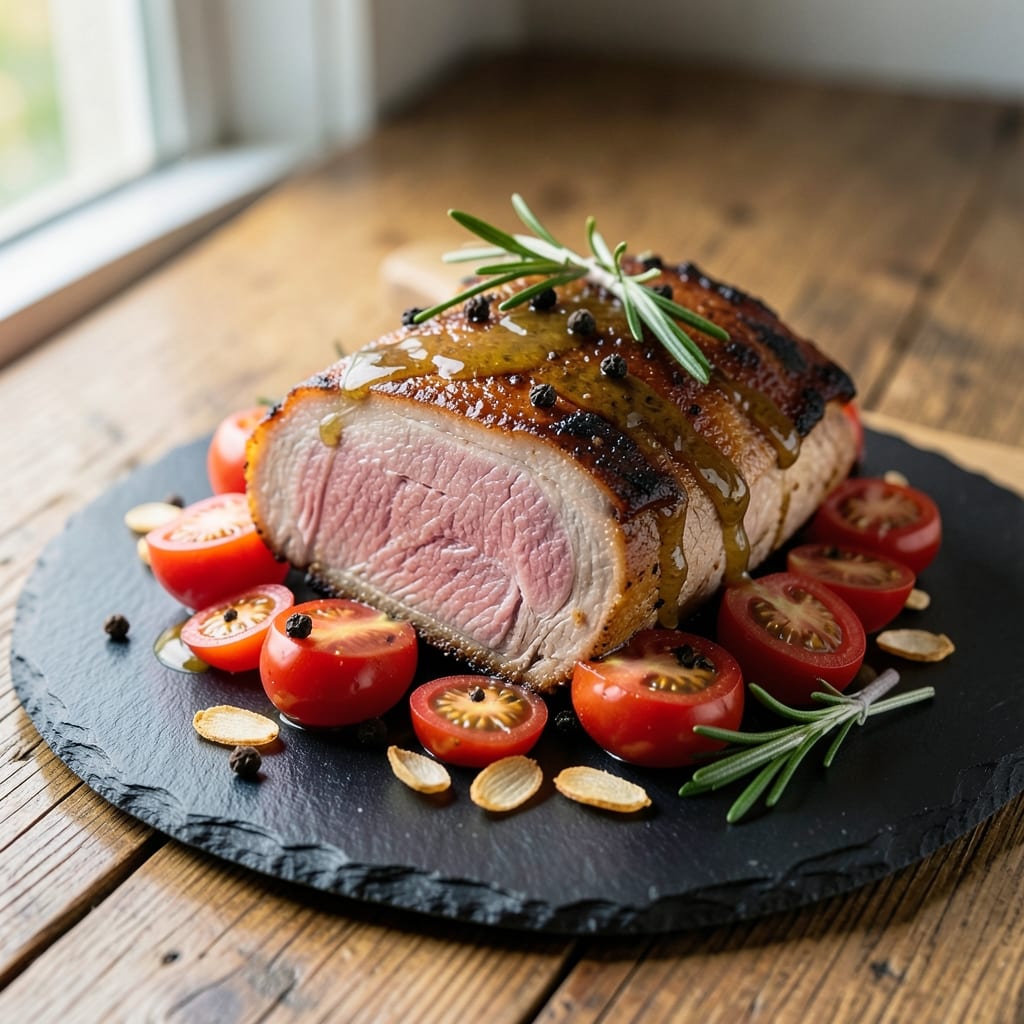
This Big Green Egg pork belly recipe delivers restaurant-quality results with smoky depth and melt-in-your-mouth texture—exactly what I've been perfecting for years at The Smoky Pig. The key lies in the Big Green Egg's ability to maintain precise temperatures while creating that signature crispy bark and tender interior. I've smoked hundreds of pounds of pork, and this method consistently delivers the perfect balance of caramelized edges and juicy fat.
The secret begins with a simple dry rub that lets the pork belly's natural flavors shine while developing that coveted crisp. Using hickory or cherry wood chips in the Big Green Egg creates the perfect smoky backbone without overpowering the rich, fatty profile of the meat. The slow cook ensures even heat distribution, something I've learned is critical when working with large cuts like pork belly.
By the time you're done, you'll have pork belly with a crispy, caramelized exterior that shatters at the touch and a center that's so tender it practically melts. The fat renders perfectly, creating pools of golden, savory goodness with every bite. This is the kind of dish that transforms a backyard cookout into an event worth inviting guests for.
Serve with classic sides like collard greens or cornbread to complete the meal. The Big Green Egg makes this process easier than traditional smokers, and the results speak for themselves. Let's get started on this showstopper.
Ingredients for big green egg pork belly
Four pounds of pork belly plus a handful of pantry staples—this is your shortcut to smoky, crispy perfection.
| Ingredient | Amount | Notes |
|---|---|---|
| Pork Belly 🐖 | 4 lb | Skin-on, thick-cut preferred |
| Kosher Salt 🧂 | 2 tbsp | Diamond Crystal preferred |
| Black Peppercorns 🌶️ | 1 tbsp | Freshly cracked for best flavor |
| Brown Sugar 🍯 | 2 tbsp | Light or dark, packed |
| Smoked Paprika 🌶️ | 1 tbsp | For subtle smoky depth |
| Garlic Powder 🧄 | 1 tbsp | Freshly ground preferred |
| Hickory Wood Chips 🌳 | 1 package | Or cherry wood chips |
| Apple Juice 🍎 | 1 cup | For spritzing during cook |
| Olive Oil 🫒 | 2 tbsp | For crisping the skin |
| Fresh Rosemary 🌿 | ½ tsp | Chopped, optional garnish |
| Fresh Thyme 🌿 | ½ tsp | Chopped, optional garnish |
The pork belly is the star, so pick a thick-cut, skin-on piece—the fat needs room to render. I always grab mine from Costco or a local butcher shop when I'm doing a big batch. Look for good marbling; that's where the flavor hides. If your store sells pre-sliced pork belly, skip it—you want that thick, uncut slab for even cooking. The skin should be intact and golden, not gray or slimy. For the wood chips, Traeger or Cookshack brands work great, but honestly, any quality hardwood chips will do.
No hickory? Cherry or pecan chips give a sweeter smoke that pairs beautifully with pork. Running low on brown sugar? Maple syrup at half the amount works in a pinch, though it'll be stickier. Fresh herbs optional but worth it—Trader Joe's has great bundles of rosemary and thyme that stay fresh longer. The apple juice spritz is non-negotiable though; it's what gets that skin crispy. If you're short on time, store-bought apple cider works too—just dilute it with water to thin it out.
Pork belly keeps beautifully—3-4 days in the fridge once cooked, or 3 months frozen. Wrap tightly in foil before freezing to prevent freezer burn. I always portion mine into 1-pound servings for easy reheating. For leftovers, reheat in a 375°F oven until crispy again—about 15 minutes. The fat pools make it perfect for sandwiches or tacos later in the week.
Why You'll Love This Recipe
- Big Green Egg Magic: The smoky-sweet crust forms right there on the grill—no flipping, no fuss. Just salt, peppercorns, and a sprinkle of brown sugar while you sip your beer and pretend you’re a BBQ pro.
- Crispy-Creamy Perfection: That first bite? Buttery, crackling pork belly with a caramelized edge from the smoked paprika. It’s the kind of dish that makes you close your eyes and sigh.
- Weeknight or Weekend Star: Same recipe works for a lazy Tuesday dinner or a backyard cookout. Double the batch, slice it thin, and you’ve got sandwiches, tacos, or a charcuterie board hero.
- Leftovers That Don’t Suck: Cold pork belly the next day? Still delicious. Wrap it in tortillas with pickles, toss it in ramen, or just eat it straight from the fridge. It’s the ultimate lazy lunch.
Step-by-step instructions for Big Green Egg pork belly
Here's how to transform that fatty pork belly into crispy, caramelized perfection with smoky depth.
Prepare and Season the Pork Belly
Start by trimming any large fat deposits from the pork belly, leaving about ¼-inch of fat intact. This fat is your friend—it'll render down and create that magical crispy exterior while keeping the meat juicy. Pat the belly dry with paper towels, then rub it with 2 tablespoons kosher salt and 1 tablespoon freshly cracked black peppercorns on all sides.
In a small bowl, mix 2 tablespoons brown sugar, 1 tablespoon smoked paprika, and 1 tablespoon garlic powder. Sprinkle this mixture evenly over the salted pork belly, pressing it into the meat so it sticks. The sugar will caramelize during cooking, creating that beautiful crust you're after. Place the pork belly on a wire rack set over a baking sheet and refrigerate uncovered for 12-24 hours—this drying step is crucial for crispy skin.
Set Up the Big Green Egg for Indirect Heat
Preheat your Big Green Egg to 225°F using the 1 package hickory wood chips. I like to use a two-zone fire setup—place half the coals on one side and the other half on the opposite side, leaving a clear space in the middle. This creates indirect heat, which is perfect for slow-cooking the pork belly without burning it.
Once the temperature stabilizes, place the pork belly fat-side down on the cooler side of the grill. The goal is to render the fat slowly while keeping the meat tender. You'll want to maintain that 225°F temperature throughout the cook—use a good meat thermometer to monitor it. If the temperature fluctuates too much, adjust the coals accordingly. This low-and-slow approach is what creates that melt-in-your-mouth texture.
Spritz and Monitor for the Perfect Bark
After 2 hours of cooking, you'll notice the fat starting to render and the skin becoming more opaque. This is when you want to start spritzing—every 30-45 minutes, remove the pork belly and generously spray it with apple juice using a spray bottle. The acidity in the apple juice helps break down the sugars in the rub, creating a better bark while keeping the meat moist.
Keep cooking the pork belly, fat-side down, until the internal temperature reaches 180-185°F (about 4-5 hours total). At this point, the meat should be fork-tender but still have a little resistance. You'll know it's ready when the skin is deep mahogany brown and the fat has rendered down to about ⅛-inch thickness. Don't rush this step—patience is key to achieving that perfect balance of crispy and tender.
Crisp the Skin and Rest for Maximum Flavor
Once the pork belly reaches the right internal temperature, increase the heat to medium-high and move the pork belly to the hotter side of the grill. Brush the skin with 2 tablespoons olive oil and let it crisp for 10-15 minutes, turning occasionally, until it's deep golden brown and crackling. This final crisping step is what transforms your pork belly from good to extraordinary.
Transfer the pork belly to a cutting board and let it rest for at least 30 minutes before slicing. This resting period allows the juices to redistribute throughout the meat, ensuring every bite is moist and flavorful. While it rests, sprinkle with ½ teaspoon chopped fresh rosemary and ½ teaspoon chopped fresh thyme for a touch of aromatic freshness. The rendered fat will pool beautifully around the slices, ready to be spooned over rice, noodles, or crusty bread.
Pro Tips For Making Big Green Egg Pork Belly
- CRANK THE HEAT FIRST: Get that pork belly screaming hot in the Green Egg—no gentle warming here. Blast it on high (around 450°F) for the first 10 minutes to render fat fast and build a deep crust. I used to play it safe with medium heat, and the skin ended up greasy but never crispy.
- SALT THE BELLY TWICE: Slather that pork belly with kosher salt the night before and again right before cooking—yes, even if it looks like you’re overdoing it. The first coat draws out moisture (pat it dry after 12 hours), and the second layer locks in flavor during the sear. I learned this the hard way when my first batch tasted bland because I rushed the salting.
- DON’T PRESS THE MEAT: Resist the urge to poke or press the pork belly while it cooks, even if it looks uneven. The fat needs to render on its own to create that perfect crackling crust. I was skeptical until I tried it—now I let it do its thing, and the results are worth the patience.
- USE A MIXED SPICE RUB: Skip the single-spice approach—combine 1 tablespoon smoked paprika, 1 teaspoon cracked black peppercorns, and 2 tablespoons brown sugar for a balanced, caramelized crust. The sugar helps with browning, the paprika adds depth, and the peppercorns keep it from tasting one-note. (Yes, even if you’re not a fan of peppercorns—trust me on this.)
Wine and beer pairings for this dish
Red Wine Pairings
For this rich, smoky pork belly, I reach for bold reds that stand up to the fat without getting lost. A Cabernet Sauvignon from Napa Valley—like Caymus Vineyards—is my go-to. Its dark fruit flavors and firm tannins cut through the pork's richness while complementing the caramelized crust. The smoky notes from the Big Green Egg actually enhance the wine's vanilla and spice undertones. 🍷
If you prefer something lighter, try a Pinot Noir from Oregon's Willamette Valley. The bright acidity and red fruit notes refresh your palate between bites. I love Domaine Serene for its elegant balance—it won't overpower the dish but will elevate every forkful. For a Southern twist, a Georgia Cabernet Franc adds herbal notes that play beautifully with the rosemary and thyme garnishes.
Beer Pairings
A crisp American pale ale with citrusy hops is my perfect beer match. Look for a New Belgium Fat Tire or Sierra Nevada Pale Ale—the hoppy bitterness balances the pork's fat while the malt sweetness complements the caramelized crust. The carbonation also helps cleanse your palate between rich bites. 🍺
For something darker, a Belgian-style dubbel like Westmalle Tripel brings caramel and spice notes that mirror the pork's sweet-savory profile. The alcohol content (around 8% ABV) cuts through the fat beautifully. If you're serving with tangy sides like pickled vegetables, a Berliner Weisse with its wheat beer acidity creates a perfect contrast.
Unexpected Pairings
Don't overlook Port wine as a dessert pairing—its sweetness mirrors the caramelized edges of the pork. I serve a 10-year Tawny Port with dark fruit notes that complement the smoky depth. For a non-alcoholic option, a sparkling apple cider like Martinelli's adds refreshing acidity that cleanses the palate between bites.
For a true Southern experience, pair with a bourbon cocktail. I like an Old Fashioned with Woodford Reserve—the oak notes in the bourbon enhance the smoky flavors from the Big Green Egg. The sweetness of the simple syrup also echoes the caramelized crust on the pork belly. This pairing is a crowd-pleaser at my restaurant. 🥃
Nutrition facts
Frequently asked questions
What's the best wood choice for pork belly in a Big Green Egg?
Hickory gives classic smoky depth, but cherry or pecan add sweetness that pairs beautifully with pork. For a milder profile, try apple wood—it enhances the caramelization without overpowering. Avoid softwoods like pine, which can taste bitter. I recommend starting with hickory for that authentic BBQ flavor.
How do I know when pork belly is done?
Use a meat thermometer—180-185°F internal temp is perfect. The skin should be deep mahogany brown and the fat rendered to about ⅛-inch thickness. When you press gently, it should feel fork-tender but still have slight resistance. Never rely on time alone; pork belly varies in thickness.
Can I cook pork belly faster than 5 hours?
Not without sacrificing texture. The 225°F slow cook is key for even fat render and crispy bark. If you're short on time, try pre-cooking in an oven at 275°F for 3 hours, then finish in the Big Green Egg. The skin won't be as crispy, but it'll still be tender and flavorful.
What's the best way to slice pork belly?
Slice against the grain at a ¼-inch thickness for tender bites. Use a sharp knife and cut through both fat and meat layers simultaneously. For presentation, fan the slices slightly—this showcases the crispy edges and golden fat pools. Always rest the pork for 30 minutes first to prevent slicing out juices.
How do I store leftover pork belly?
Wrap tightly in foil and refrigerate for 3-4 days or freeze for 3 months. For reheating, bake at 375°F until crispy again (15 minutes). Store in 1-pound portions for easy serving. The fat pools make it perfect for sandwiches or tacos later in the week!