
Breakfast & Brunch
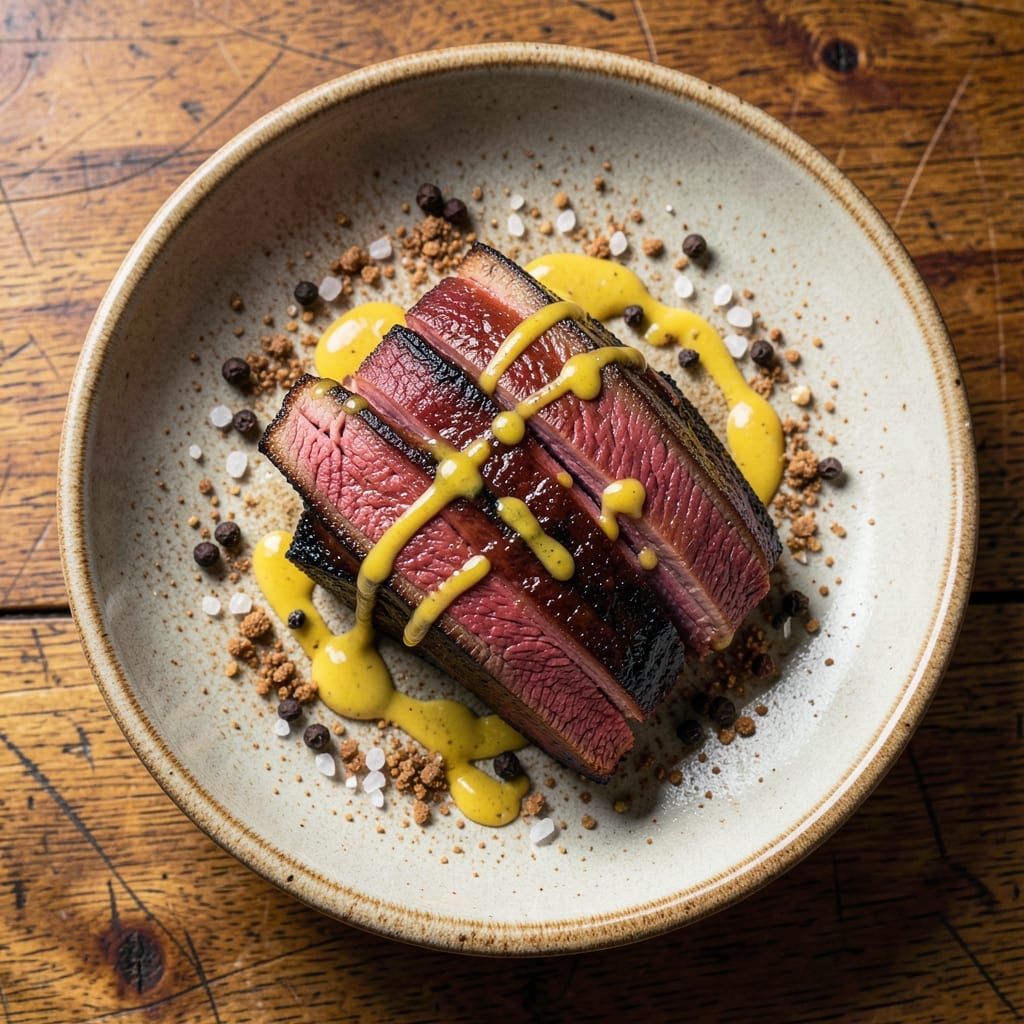
This Big Green Egg pastrami recipe transforms tough brisket into tender, smoky perfection with a signature crusty bark—all achieved through precise temperature control and wood selection. The curing process develops deep flavor, while the Big Green Egg's indirect heat creates that coveted texture without drying out the meat. This isn't just another brisket recipe; it's the method I've perfected over years of experimenting with different wood blends and smoking techniques.
The secret lies in balancing moisture and heat: a 250°F cook for hours ensures tender meat, while the final high-heat sear creates that signature crust. I use a mix of cherry and hickory wood for a sweet-smoky flavor profile that complements the curing spices. The result is pastrami with layers of complexity—savory, slightly sweet, and deeply aromatic—that keeps you reaching for seconds.
What makes this recipe truly special is how it translates to your Big Green Egg. The dome shape distributes heat evenly, allowing you to achieve restaurant-quality results at home. Whether you're serving it on crusty rye bread with mustard or slicing it for charcuterie boards, each bite delivers that perfect balance of texture and flavor. The crust should be dark and slightly crisp, while the meat inside remains juicy and tender.
This recipe scales beautifully for gatherings, but it's just as impressive for a weekend brunch spread. The curing process can be done ahead of time, so you're not stuck babysitting the grill. Let's get started on creating pastrami that'll have everyone asking for the recipe.
Ingredients for big green egg pastrami
Six ingredients transform tough brisket into smoky, tender pastrami with that perfect crusty bark.
| Ingredient | Amount | Notes |
|---|---|---|
| Beef Brisket 🥩 | 4 lb | Whole packer cut, fat cap intact |
| Yellow Mustard 🍯 | ½ cup | For curing mix base |
| Kosher Salt 🧂 | 1 ½ cups | Diamond Crystal preferred |
| Brown Sugar 🍚 | ½ cup | Light or dark variety |
| Black Peppercorns 🌶️ | 2 tbsp | Freshly cracked preferred |
| Garlic Powder 🧄 | 2 tbsp | Not garlic salt |
| Onion Powder 🧅 | 2 tbsp | Freshly ground preferred |
| Ground Coriander 🌿 | 1 tbsp | For depth of flavor |
| Ground Cloves 🌶️ | 1 tsp | Whole cloves ground fresh |
| Ground Allspice 🌶️ | 1 tsp | For warmth |
| Cherry Wood Chips 🌳 | 2 lb | Soaked overnight |
| Hickory Wood Chips 🌳 | 1 lb | For balanced smoke |
| Apple Juice 🍎 | 2 cups | For moisture during cure |
The brisket is everything here. Look for a packer cut with that thick fat cap—it renders down during cooking and keeps the meat juicy. Costco or your butcher shop are best bets, but any grocery store with a meat counter should have it. If you're buying whole, trim any silverskin but leave that fat intact. The wood chips? Traeger or Cookshack brands are reliable, but any food-grade chips work. Just soak them overnight—they should be damp but not dripping. Pro tip: if you can't find cherry wood, apple or pecan work too, though the flavor will be slightly different.
No cherry wood? Apple or pecan chips will give you a milder, sweeter smoke—just double the amount. Running low on brown sugar? White sugar plus 1 tsp molasses mimics the flavor. The mustard is non-negotiable though—it's what gives pastrami its signature tang. If you're short on time, pre-ground spices work fine, but I always grind my own coriander and cloves for that extra punch. And whatever you do, don't skip the fat cap—that's what keeps your pastrami from drying out during the long cook.
The curing mix keeps for 1 week in an airtight container, so make extra if you're planning another project. Store the brisket in the fridge, wrapped tightly in plastic, for up to 5 days before cooking. The wood chips? Keep them in a sealed bag in the freezer—they'll last 6-12 months that way. Once you've cooked your pastrami, slice it against the grain for maximum tenderness. Leftovers? They reheat beautifully in a 350°F oven for 15 minutes, wrapped in foil.
Why You'll Love This Recipe
- Big Green Egg Magic: I swear, that first crackle of the lid? The brisket practically cooks itself while you sip your beer. Just salt, sugar, and a mustard glaze—no fancy marinades or overnight soaks.
- Smoky-Sweet Obsession: Between us, the brown sugar and peppercorns caramelize into this addictive crust. It’s got that deep, charred edge from the Green Egg’s heat, but still tender enough to melt—like a smoky, sweet hug in sandwich form.
- Weeknight Workhorse: Honestly, this is my lazy dinner win. Toss it on the grill for 4-5 hours, then shave it over rye for lunch tomorrow. (Yes, even on a Tuesday night.) The leftovers? Just as good cold in a Reuben the next day.
- Budget-Friendly Feast: A single brisket feeds my whole family and leaves enough for sandwiches all week. The mustard and sugar are cheap staples, and the Green Egg’s efficiency means less fuel wasted. My wallet and my taste buds thank me.
Step-by-step instructions for Big Green Egg pastrami
Here's how to transform a tough brisket into tender, smoky pastrami with a perfect crust.
Create the Curing Mix
In a large bowl, combine the 0.5 cup yellow mustard, 1.5 cups kosher salt, 0.5 cup brown sugar, 2 tbsp black peppercorns, 2 tbsp garlic powder, 2 tbsp onion powder, 1 tbsp ground coriander, 1 tsp ground cloves, and 1 tsp ground allspice. Mix thoroughly until the salt and sugar dissolve completely into the mustard base. This blend is your flavor foundation—don't skip the mixing.
I like to use my hands for this part, rubbing the spices between my fingers to break up any clumps. The mustard acts as a binder that helps the cure penetrate the meat evenly. Once fully combined, transfer the mix to a resealable container and set aside—it's ready when you are.
Cure the Brisket
Place the 4 lb beef brisket fat-side up in a large container or zip-top bag. Spread the curing mix evenly over all surfaces, including the fat cap. Press the mixture firmly into the meat so it adheres completely. This step ensures maximum flavor penetration and prevents dry spots.
Add the 2 cups apple juice to the container, enough to cover about half of the brisket. Seal the container and refrigerate for 5-7 days, flipping the brisket daily. The apple juice keeps the meat moist during the cure while the spices work their magic. Real talk: Don't rush this—proper curing makes all the difference in texture and flavor.
Prepare the Smoker
Soak the 2 lb cherry wood chips and 1 lb hickory wood chips in water for at least 4 hours before smoking. Drain and load them into your Big Green Egg smoker. Set the temperature to 225°F and let it stabilize with the lid closed. You'll know it's ready when you see clean, blue smoke—no thick white vapor.
While the smoker heats up, rinse the cured brisket under cold water to remove excess cure. Pat it dry thoroughly with paper towels—this helps create that beautiful crust later. Place the brisket fat-side up on the smoker grates, leaving space around it for proper air circulation.
Smoke the Brisket Low and Slow
Smoke the brisket undisturbed for 8-10 hours at 225°F, maintaining a consistent temperature. Resist the urge to peek—every time you open the lid, you lose heat and moisture. The brisket is ready when it reaches an internal temperature of 165°F and the bark becomes deep mahogany brown.
Here's where it gets tricky: When the internal temperature hits 165°F, wrap the brisket tightly in butcher paper. This "Texas crutch" technique helps push through the stall and keeps the bark intact. Return it to the smoker and continue cooking until the internal temperature reaches 203°F, which should take another 4-6 hours.
Rest and Slice
Remove the brisket from the smoker and let it rest in the butcher paper for at least 1 hour before slicing. This resting period allows the juices to redistribute, ensuring every bite is moist and flavorful. I like to wrap it in a towel and place it in a cooler to keep it warm during the rest.
Slice the brisket against the grain into ¼-inch thick pieces. The meat should be tender enough to pull apart easily with a fork. Serve immediately on crusty bread with mustard or your favorite toppings. Each slice should be packed with smoky, spiced flavor and that perfect crust you worked so hard to achieve.
Pro Tips For Making Big Green Egg Pastrami
- Trim the Fat First: I learned this the hard way—skipping this step means your pastrami will steam instead of sear. Use a sharp knife to cut away the thickest layer of fat from the brisket before seasoning; leave just a thin layer for flavor, but not enough to make your mustard marinade slide off like butter on a hot griddle.
- Salt in Layers: Don’t just dump salt on top. After applying your initial dry rub (kosher salt + peppercorns), let the brisket sit uncovered in the fridge for 2 hours—yes, even if you’re impatient like me. Then, right before cooking, slather on the mustard-brown sugar mix and hit it with another round of salt. The first layer penetrates, the second locks it in.
- Start Hot, Then Slow: The Big Green Egg’s lid traps heat like a dream, but that doesn’t mean you should go slow from the start. Sear the brisket over direct heat for the first 15 minutes—you’ll see that crust form fast. Then, move it to indirect heat and drop the temp to 225°F. Rushing the sear = sad, gray pastrami.
- Wrap It Tight: Butcher paper, not foil. I know foil’s easier, but it turns your pastrami into a sad, soggy brick. Wrap the brisket snugly in butcher paper at the 2-hour mark (after the initial cook), then let it rest another 2 hours. The paper lets moisture escape just enough to keep the meat tender without steaming it to death. —I promise, it’s worth the extra step.
Serving suggestions for this recipe
Classic Pastrami Sandwich
Assemble your pastrami on crusty rye bread—the slightly sweet, dense texture holds up perfectly to the tender meat. I like to use Reuben-style rye from the bakery section, lightly toasted until golden. Spread 1 tbsp of prepared mustard (I use German's yellow mustard) on each slice, then layer ¼-inch thick pastrami slices until you reach your desired height. Add a slice of Swiss cheese and a few dill pickles for that classic deli tang. 🥪
Pastrami Board Spread
Create a showstopping charcuterie board by arranging your pastrami alongside sharp cheddar cubes, marinated olives, and crusty bread. Add a side of horseradish cream (mix 2 tbsp sour cream with 1 tsp prepared horseradish) for dipping. I like to include sliced apples and walnuts for crunch and sweetness to balance the smoky flavors. This makes a fantastic brunch or appetizer spread for gatherings.
Pastrami Hash
For a hearty breakfast or brunch, dice your pastrami into ½-inch cubes and sauté in a cast-iron skillet with 2 tbsp olive oil over medium heat for 3-4 minutes. Add 1 cup diced potatoes (pre-cooked or frozen) and ½ cup diced onions, cooking until crispy. Top with a fried egg and sprinkle with fresh parsley for a protein-packed morning meal. This dish is perfect for using up leftovers!
Pastrami Pizza
Transform your pastrami into a unique pizza topping by slicing it into thin strips. Spread ½ cup marinara sauce on a pre-made pizza crust, then layer with mozzarella cheese and the pastrami strips. Add a sprinkle of red pepper flakes and bake at 425°F for 12-15 minutes until the cheese is bubbly. Finish with a drizzle of garlic aioli for dipping. This fusion dish is a crowd-pleaser for lunch or dinner! 🍕
Pastrami Egg Rolls
For an Asian-inspired twist, shred your pastrami into thin strips and mix with 1 cup shredded cabbage, ½ cup shredded carrots, and 2 tbsp soy sauce. Roll in egg roll wrappers with a little sesame oil and pan-fry in 1 tbsp oil until golden. Serve with a side of sweet chili sauce for dipping. This fusion idea is perfect for a fun, unexpected appetizer or snack!
Pastrami Mac and Cheese
Add a smoky depth to your mac and cheese by mixing ½ cup shredded pastrami into the cheese sauce. Cook 1 lb elbow macaroni al dente, then blend with 2 cups shredded cheddar, 1 cup whole milk, and 2 tbsp butter until creamy. Stir in the pastrami and top with breadcrumbs before baking at 375°F for 20 minutes. This comfort food dish is a game-changer for a cozy dinner! 🧀
Nutrition facts
Frequently asked questions
Can I use a different cut of beef instead of brisket?
Brisket is ideal because of its fat content and connective tissue, which break down beautifully during the long cook. For a similar result, try a chuck roast or beef short ribs, but expect slightly different textures. Never use lean cuts like sirloin—they'll dry out. If you must substitute, increase the cure time by 1-2 days to compensate for less fat.
How do I know when the pastrami is fully cooked?
Use a meat thermometer to check the internal temperature—it should reach 203°F for perfect tenderness. The bark should be deep mahogany brown, and the meat should pull apart easily with two forks. If the bark forms too early (165°F), wrap it in butcher paper to prevent drying.
What if I don't have a Big Green Egg—can I use another smoker?
Any pellet grill, offset smoker, or even a charcoal grill with a water pan will work. The key is maintaining 225°F consistently. For charcoal smokers, use a 2-zone setup (hot side for cooking, cool side for indirect heat). The dome shape of the Big Green Egg just helps distribute heat more evenly—don't stress about it!
How long can I store leftover pastrami?
Store cooked pastrami in an airtight container in the fridge for up to 5 days or freeze for 3 months. For reheating, wrap slices in foil and warm in a 350°F oven for 10-15 minutes. The texture stays tender if you avoid microwaving—it makes the meat rubbery. Leftovers make great sandwiches or hash!
Can I skip the curing process and just smoke the brisket?
While possible, you'll miss the signature pastrami flavor. The cure develops deep, complex spices that penetrate the meat. If short on time, use a dry rub (same spices without mustard) for 24 hours instead. For best results, though, stick with the full 5-7 day cure—it's what makes this recipe truly special.