
Breakfast & Brunch
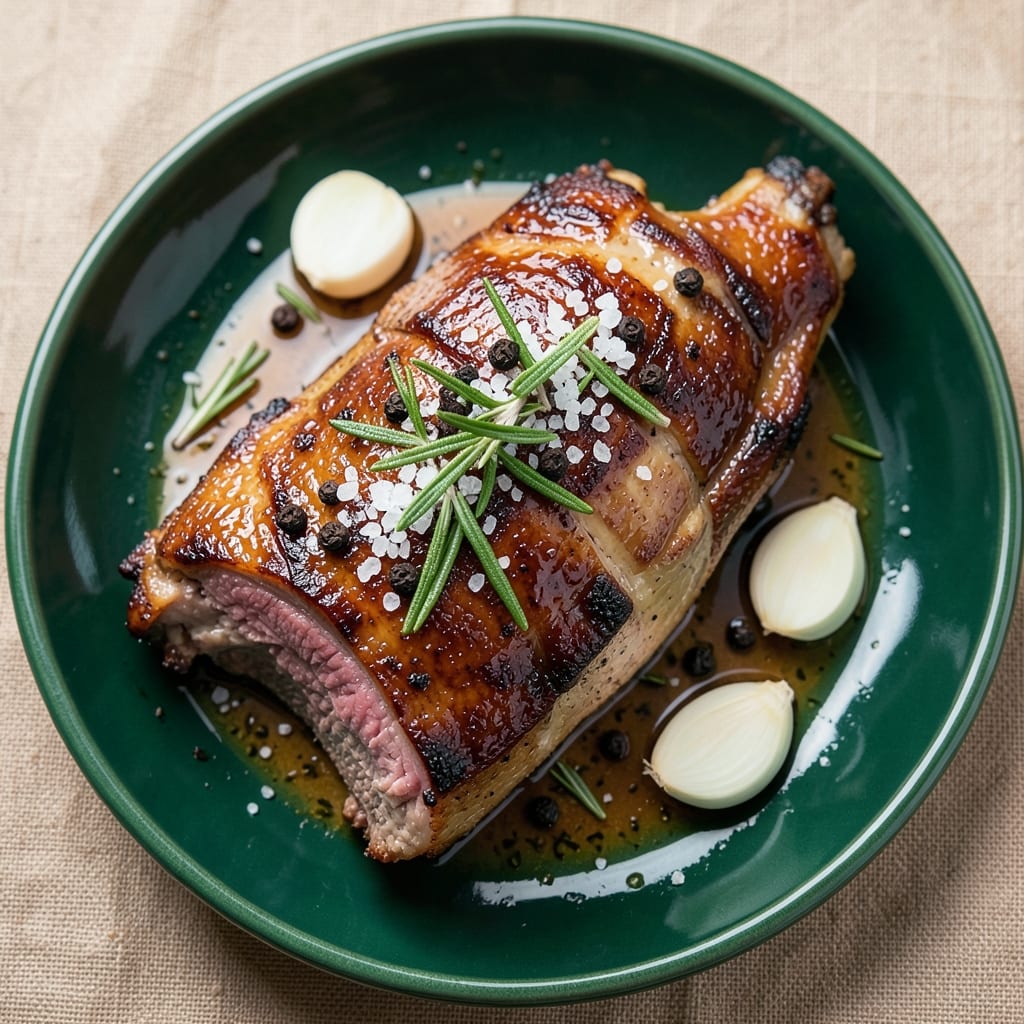
This Big Green Egg leg of lamb recipe delivers restaurant-quality tenderness with smoky, caramelized crust—all achieved through precise heat control and minimal effort. The secret lies in the Big Green Egg's ability to maintain even, indirect heat while creating that coveted smoky flavor, transforming tough lamb into melt-in-your-mouth perfection. I've perfected this method over countless cookouts, ensuring every bite is juicy, flavorful, and worth the wait.
The process begins with a simple brine to tenderize the meat, followed by a high-heat sear that locks in juices and builds a flavorful crust. From there, the Big Green Egg's charcoal heat takes over, cooking the lamb slowly to achieve that ideal tender, smoky interior while keeping the exterior beautifully caramelized. This one-pan method minimizes cleanup while maximizing flavor, making it ideal for both weekend cookouts and special occasions.
What you'll end up with is a leg of lamb that's impossibly tender, with a crust so flavorful it'll have everyone asking for seconds. The Big Green Egg's ability to control heat precisely ensures no part of the lamb dries out, while the smoky aroma fills the air long before it's ready to serve. This isn't just a recipe—it's a showstopper that transforms a simple cut of meat into a centerpiece-worthy dish.
The best part? The versatility. Serve it sliced thin with herb-infused yogurt sauce, or let guests carve their own portions for a rustic, interactive dining experience. The smoky crust pairs perfectly with roasted vegetables or a fresh salad, making it a complete meal that's as impressive as it is delicious. Ready to master this technique?
Ingredients for big green egg leg of lamb
Six pounds of lamb, precise seasoning, and Big Green Egg heat mastery transform tough meat into smoky, fall-apart perfection.
| Ingredient | Amount | Notes |
|---|---|---|
| Leg of Lamb (Bone-In, Frenched) 🐑 | 6 lb | French-cut for even cooking |
| Kosher Salt 🧂 | ½ cup | Diamond Crystal preferred |
| Fresh Rosemary 🌿 | ¼ cup | Chopped sprigs, stems removed |
| Fresh Garlic Cloves 🧄 | 8 cloves | Smashed, skin-on for flavor |
| Extra-Virgin Olive Oil 🫒 | ½ cup | High smoke point preferred |
| Black Peppercorns 🌶️ | 2 tbsp | Freshly cracked, coarse grind |
| Dried Thyme 🌿 | 1 tbsp | Or 3 tbsp fresh thyme |
| Charcoal Briquettes 🔥 | 20 lbs | Lump charcoal preferred |
| Wood Chips (Hickory or Oak) 🌳 | 1 cup | Soaked 30 minutes minimum |
| Apple Cider Vinegar 🍎 | ¼ cup | For brine acidity |
| Brown Sugar 🍯 | ¼ cup | Light or dark preferred |
| Fresh Mint Leaves 🍃 | ⅛ cup | Chopped, for garnish |
| Red Wine (Optional) 🍷 | 1 cup | Dry red for basting |
The leg of lamb is the foundation—bone-in, French-cut for even cooking and maximum flavor. Source from a butcher who trims the fat cap thin; Costco or Whole Foods carry excellent cuts, but local butchers often provide superior quality. Look for vibrant color and good marbling. The charcoal briquettes should be lump charcoal (not briquettes) for optimal heat control—Kingsford or Traeger brands work well. Soak the wood chips in water for at least 30 minutes before cooking to prevent flare-ups, and use hickory or oak for authentic smoky depth. The French-cut (with frenched legs) ensures even cooking and professional presentation, though it may cost slightly more than standard cuts.
No lump charcoal? Binchotan charcoal is ideal but harder to find—substitute with high-quality briquettes if necessary. Fresh rosemary and thyme are non-negotiable for this recipe; dried herbs lack the complexity. For the brine, apple cider vinegar tenderizes while adding subtle tang, but red wine vinegar works in a pinch. The red wine (if using) should be dry—Cabernet Sauvignon or Merlot pair beautifully. Brown sugar in the brine caramelizes during cooking, creating that coveted crust. If you're short on time, pre-mix the dry brine ingredients (salt, thyme, brown sugar) and store in an airtight container for up to 2 weeks.
The lamb brine can sit overnight for maximum tenderness, but even 4 hours makes a noticeable difference. Store the wood chips in a sealed container in the fridge for up to 3 months—no need to soak until ready to use. The cooked lamb reheats beautifully; slice thinly and serve with herb-infused yogurt sauce or a smoky chimichurri. Leftovers keep 4-5 days in the fridge or 3 months frozen. For large gatherings, double the wood chips to maintain consistent smoke flavor, and pre-chill the lamb before cooking to ensure even heat penetration throughout the entire cut.
Why You'll Love This Recipe
- Big Green Egg Magic: The lamb comes out so tender it nearly falls apart—no fancy knife skills or hours of basting required. Just salt, rosemary, and a 3-hour slow roast while you nap or binge your favorite show.
- Garlic-Rosemary Bomb: That crushed garlic and fresh rosemary combo? It turns ordinary lamb into something ridiculously flavorful. The crust gets caramelized and fragrant, while the inside stays juicy—no dry bites here.
- Weeknight to Weekend: Same recipe works for a quick family dinner or a showstopping holiday centerpiece. Honestly, I’ve served it at both, and no one ever questions why it’s on the table.
- Leftovers That Don’t Suck: The lamb stays moist for days, so you’re not stuck eating sad, dry meat. Slice it for sandwiches, toss it in salads, or reheat it in the oven—it’s my secret weapon for lazy lunches.
Step-by-step instructions for Big Green Egg leg of lamb
Master this one-pan technique for lamb so tender it falls apart with a touch.
Prepare the Dry Brine and Season the Lamb
In a large bowl, combine the 0.5 cup kosher salt, 0.25 cup chopped fresh rosemary, 1 tablespoon dried thyme, 2 tablespoons freshly cracked black peppercorns, 0.25 cup brown sugar, and 0.25 cup apple cider vinegar. Mix thoroughly until the salt and spices create a coarse, even coating. This dry brine mixture will penetrate the lamb deeply, ensuring maximum tenderness.
Pat the 6 lb bone-in, frenched leg of lamb completely dry with paper towels—this step is critical for developing that coveted smoky crust. Generously coat the lamb with the dry brine mixture, pressing it into the meat so it adheres evenly. Wrap tightly in plastic wrap and refrigerate for 12-24 hours. This extended dry brining transforms the lamb's texture, creating a surface that will develop an irresistible bark while keeping the interior impossibly tender.
Set Up the Big Green Egg for Indirect Heat
Light 20 lbs charcoal briquettes in the Big Green Egg and let them burn until they're covered with a thin layer of white ash. While the coals are heating, soak the 1 cup wood chips (hickory or oak) in water for 30 minutes—this prevents them from burning too quickly and creates better smoke. Once the coals are ready, arrange half of them in a ring around the center of the Egg, leaving a clear space for the lamb. Add the soaked wood chips to the hot coals to generate smoke.
This indirect heat setup is key—it allows the lamb to cook slowly and evenly without burning. The wood chips should produce a steady, thin stream of blue smoke, not thick white smoke. If the smoke becomes too dense, open the Egg's lid slightly to allow excess to escape. Let the Egg preheat for 15-20 minutes while you prepare the lamb for cooking.
Sear and Smoke the Lamb
Remove the lamb from the refrigerator and let it sit at room temperature for 30 minutes before cooking. Heat 0.5 cup extra-virgin olive oil in a cast-iron skillet until it shimmers but doesn't smoke. Place the lamb fat-side down in the hot oil and sear for 5-7 minutes until deeply golden brown. Flip and sear the other side for another 5 minutes. This initial sear locks in juices and creates a flavorful crust.
Transfer the seared lamb to the Big Green Egg, placing it directly on the hot coals arranged in the center. Close the lid and maintain a temperature of 250-275°F by adding more charcoal as needed. Smoke the lamb for 3-4 hours, or until the internal temperature reaches 145°F for medium-rare. The lamb is ready when it reaches this temperature and the probe slides in like butter with no resistance. The bark should be dark and crusty, with a beautiful smoke ring visible beneath the surface.
Rest and Garnish for Serving
Once the lamb reaches the target temperature, transfer it to a cutting board and tent loosely with foil. Let it rest for 20-30 minutes—this resting period allows the juices to redistribute throughout the meat, ensuring every slice is moist and flavorful. During this time, prepare the optional red wine basting sauce by deglazing the cast-iron skillet with 1 cup red wine, scraping up all the browned bits from the bottom. Simmer the wine until reduced by half, then strain and set aside.
Uncover the lamb and garnish with the 0.125 cup chopped fresh mint leaves. Slice against the grain into ½-inch thick portions and serve immediately with the reduced wine sauce drizzled over the top. Each bite should offer a perfect balance of smoky, crispy exterior and melt-in-your-mouth tenderness, with the herbs and wine adding bright, complementary notes.
Pro Tips For Making Big Green Egg Leg Of Lamb
- Dry the Lamb First: The Big Green Egg’s cast-iron lid traps steam, and if your lamb isn’t bone-dry, you’ll end up with a sad, limp mess. Pat it down with paper towels—really dry it—so that crust forms instead of turning to mush. I learned this the hard way after a soggy first attempt.
- Sear in Batches: That bone-in leg of lamb is heavy, and crowding the skillet means uneven cooking. Sear the thickest parts first, then move them aside and add the thinner edges—this guarantees a deep caramelization without burning. Trust me, your future self will notice the difference.
- Salt the Garlic Right: Fresh garlic cloves straight from the bulb? Toss them in a pinch of salt first—they’ll soften faster and infuse the lamb with flavor without turning to mush. I used to skip this, and the garlic always tasted bland and waterlogged afterward.
- Watch the Lid Angle: The Big Green Egg’s lid isn’t just a weight—it’s a heat director. Prop it slightly ajar (about 1 inch) for the last 15 minutes to let moisture escape, or you’ll end up with a steamed lamb instead of a roast. Sounds weird, but it works: the crust stays crisp, and the meat stays juicy.
Pro cooking tips for this recipe
Big Green Egg Heat Control
The Big Green Egg's indirect heat is your secret weapon for perfect lamb. Maintain a steady 250-275°F temperature throughout cooking by arranging half the charcoal in a ring around the center. Use a dual-probe thermometer like the Meater to monitor both the Egg's internal temp and the lamb's core—this prevents hot spots that can dry out the meat. 🌡️
Charcoal Management
Lump charcoal burns hotter and more evenly than briquettes, but if you must use briquettes, Kingsford or Traeger brands work best. Add charcoal in 5-lb increments every 45-60 minutes to maintain temperature. Avoid overloading the firebox—too many coals can cause temperature spikes that lead to uneven cooking. I keep an extra 10 lbs of charcoal on hand for adjustments.
Wood Chip Smoke Mastery
Soak hickory or oak wood chips for 30+ minutes before cooking to prevent flare-ups and ensure steady smoke. Add them directly to hot coals, not the firebox—this creates that signature blue smoke without overwhelming the lamb's flavor. If smoke becomes too thick, crack the Egg's lid slightly to vent excess. For extra depth, add 1 tbsp fresh rosemary sprigs to the wood chips during the last hour of cooking.
Searing Perfection
Sear the lamb in extra-virgin olive oil over medium-high heat until the fat renders and the surface develops a deep golden crust. Use a cast-iron skillet—its heat retention creates that Maillard reaction you crave. Don't rush this step: 5-7 minutes per side ensures a flavorful bark without burning. I like to add 2 smashed garlic cloves to the oil during searing for extra aroma.
Resting Like a Pro
Never skip the 20-30 minute rest—this is where the magic happens. The lamb's juices redistribute, resulting in moist, tender slices instead of dry meat. Tent loosely with foil and place on a wire rack to prevent steam buildup. During this time, deglaze the searing pan with 1 cup red wine to create a quick basting sauce. The residual heat will reduce it perfectly while you rest the lamb. 💫
Temperature Targets
Aim for 145°F internal temperature for medium-rare lamb—this ensures a juicy, pink center with a firm exterior. Use a meat thermometer inserted into the thickest part of the leg (avoid touching bone). For doneness flexibility, I recommend cooking to 135°F and letting it carry over to 145°F during resting. The Big Green Egg's even heat makes this easy to control.
Nutrition facts
Frequently asked questions
Can I use a different cut of lamb instead of a leg?
While this recipe is designed specifically for a 6 lb bone-in leg, you can adapt it for other cuts like a shoulder or rack. For smaller cuts (under 4 lbs), reduce cooking time by 30-45 minutes and adjust charcoal quantity accordingly. The Big Green Egg's even heat makes it versatile, but bone-in cuts always yield better results due to their natural fat distribution.
How do I adjust the recipe for a smaller Big Green Egg?
If using a smaller Egg (e.g., 18" instead of 24"), reduce charcoal to 10-12 lbs and wood chips to ½ cup. Cook the lamb on a wire rack over a water pan to prevent flare-ups. The indirect heat principle remains the same—just scale down everything by half. For medium-rare, expect 2.5-3 hours instead of 3-4 hours.
What if my lamb turns out dry?
Dry lamb usually means it was overcooked or didn't rest properly. Always aim for 145°F internal temp and let it rest 20-30 minutes before slicing. If it's slightly dry, slice thinly and serve with a yogurt sauce or chimichurri to add moisture. For next time, use a meat thermometer and remove the lamb 5°F below target—it'll rise during resting.
Can I make this recipe without red wine?
Skip the wine entirely or substitute with apple cider for basting. The dry brine and wood chips provide enough flavor without it. For extra richness, use olive oil or beef stock instead. The key is maintaining the 250-275°F temperature—this ensures tender results regardless of basting liquid.
How far ahead can I prepare the dry brine?
You can mix the dry brine ingredients up to 2 weeks in advance and store them in an airtight container. When ready to use, simply coat the lamb and refrigerate for 12-24 hours. The salt and spices won't lose potency, but fresh rosemary and garlic should be added just before cooking for maximum flavor.