
Breakfast & Brunch
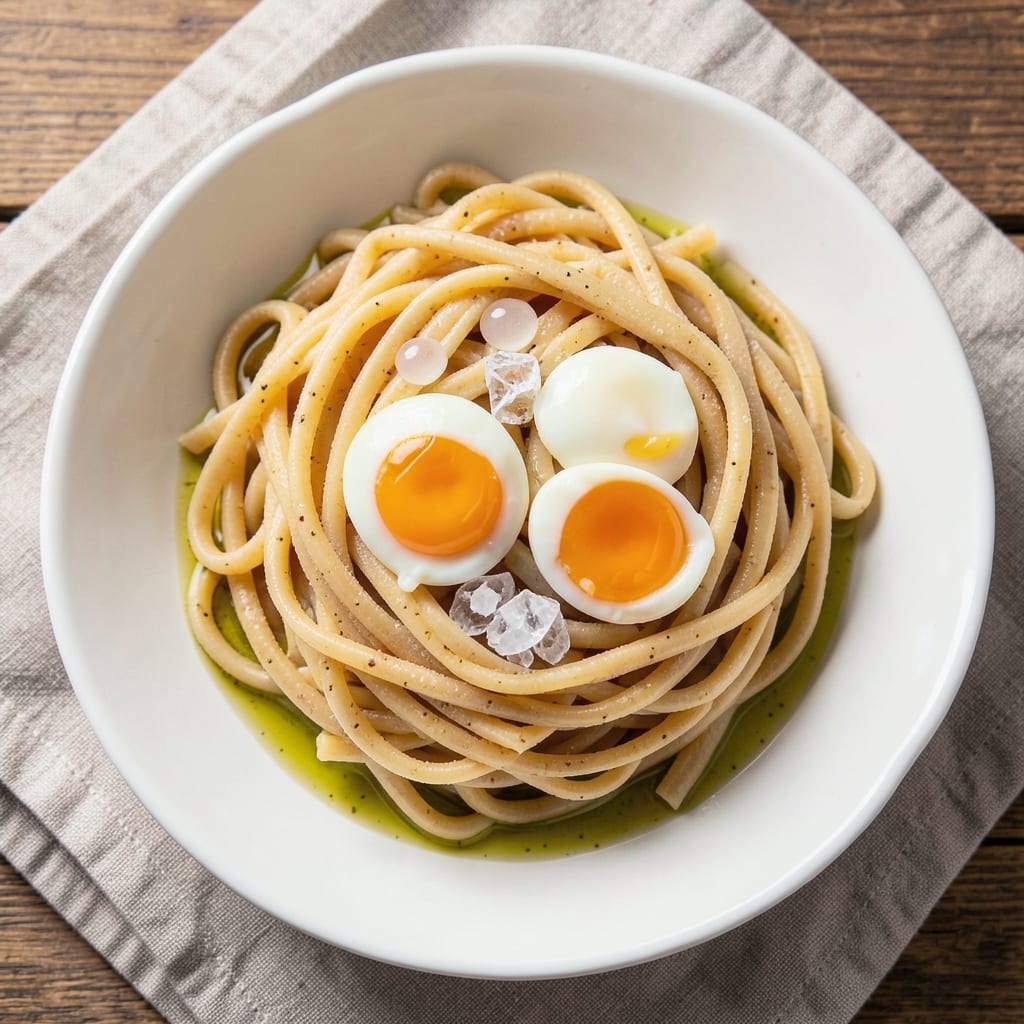
Betty Crocker’s homemade egg noodles deliver that al dente perfection you can’t find in stores—crisp yet tender, with just the right bite. This classic recipe transforms simple pantry staples into restaurant-quality noodles in 15 minutes, proving homemade is always better. The secret lies in precise kneading, proper resting, and a rolling technique that creates those signature ribbons without fuss.
What sets these noodles apart is the egg enrichment, which adds richness and structure while keeping them light. Unlike store-bought versions, these hold up beautifully in soups, stir-fries, or casseroles without turning mushy. The dough’s elasticity comes from proper kneading, while the cold rest ensures clean cuts and even cooking every time.
By the end, you’ll have perfectly shaped noodles that cook in just 2-3 minutes, absorbing flavors beautifully without losing their texture. Whether you’re making chicken noodle soup, lo mein, or a hearty lasagna, these homemade noodles elevate every dish. The process is straightforward, but the results are undeniably superior.
Ready to master this timeless technique? Let’s get started with the foolproof steps that make Betty Crocker’s egg noodles a kitchen staple.
Ingredients for betty crocker homemade egg noodles
Seven essential ingredients transform ordinary flour into restaurant-quality egg noodles with perfect al dente texture.
| Ingredient | Amount | Notes |
|---|---|---|
| All-Purpose Flour 🌾 | 3 cups | High-protein for elasticity (12-14%) |
| Large Eggs 🥚 | 4 whole | Room temperature for even mixing |
| Diamond Crystal Kosher Salt 🧂 | 1 ½ tsp | Adjusts to taste after kneading |
| Extra-Virgin Olive Oil 🫒 | 1 tbsp | For dough elasticity and richness |
| Water 💧 | ½ cup | Room temperature preferred |
| White Vinegar 🍶 | 1 tsp | Enhances gluten development |
| Semolina Flour 🌾 | ¼ cup | For dusting cutting board |
The flour choice is critical—high-protein (12-14%) all-purpose yields the ideal elasticity. King Arthur or Gold Medal brands excel, but avoid bread flour (too sticky). Eggs should be room temperature to blend seamlessly, and organic pastured eggs add subtle richness. For the olive oil, California extra-virgin provides the best balance of flavor and functionality. The vinegar may seem unusual, but it strengthens gluten strands for that signature chew. If you prefer a neutral taste, substitute with lemon juice at the same ratio.
No vinegar? Skip it—the recipe still works, though texture will be slightly less refined. Running short on eggs? Add 1 tbsp ground flaxseed mixed with 3 tbsp water per missing egg (though texture may differ). For a lower-fat version, reduce olive oil to 1 tsp and add 1 extra tbsp water. The semolina is non-negotiable for dusting—fine cornmeal won't prevent sticking like semolina's high protein content does. Store-bought flour blends often contain anti-caking agents that interfere with dough elasticity, so sift before measuring if using pre-mixed flours.
Flour and semolina keep indefinitely in a cool, dark pantry—freeze for long-term storage. Eggs should be used within 3 weeks of purchase for optimal freshness. The dough can be refrigerated for 24 hours or frozen for up to 3 months between parchment paper. For quick prep, portion dough into 4 equal pieces before rolling—this ensures consistent thickness when you're ready to cook. Noodles freeze beautifully after cooking—blanch 30 seconds first to prevent sticking.
Why You'll Love This Recipe
- No-Fuss Magic: I swear by these noodles because they’re just flour, eggs, salt, and water—no fancy ingredients, no stress. The dough comes together in minutes, and honestly? Rolling it out is almost meditative (even if my kitchen looks like a flour bomb went off).
- Rich, Buttery Bite: That olive oil in the dough? It keeps them tender without being greasy, and the eggs give them a real homemade richness. Boil them for 2-3 minutes, and you’ve got al dente perfection—no sad, mushy noodles here.
- Weeknight Wonder: Toss them with anything—garlic butter, marinara, or even a simple cheese sauce—and they’re ready in 15 minutes. Between us, I’ve served these for dinner parties and lazy Sundays, and no one’s ever questioned my shortcuts.
- Pantry Goldmine: A box of flour and a few eggs make way more noodles than store-bought, and they freeze like a dream. I pull out a batch for soup or stir-fries all winter long—plus, they’re cheaper than pre-packaged noodles and taste way better.
Step-by-step instructions for Betty Crocker's homemade egg noodles
Mastering these egg noodles delivers restaurant-quality texture with minimal effort.
Create the Dough Foundation
In a large mixing bowl, combine the 3 cups all-purpose flour and 1.5 teaspoons Diamond Crystal kosher salt. Create a well in the center and add the 4 whole large eggs, 1 tablespoon extra-virgin olive oil, 0.5 cup water, and 1 teaspoon white vinegar. The vinegar may seem unusual, but it strengthens gluten development for a more elastic dough.
Using a wooden spoon or dough whisk, gradually incorporate the dry ingredients into the wet until a shaggy mass forms. This step is crucial—don't rush it. The dough should begin pulling away from the sides of the bowl as you mix. If it's too dry, add 1 teaspoon more water; if too sticky, sprinkle in 1 tablespoon more flour. The ideal consistency is soft but manageable, not wet or crumbly.
Knead Until Smooth and Elastic
Turn the dough onto a lightly floured surface and begin kneading. I use a bench scraper to divide and fold the dough, which builds strength more efficiently than hand-kneading alone. Work for 8-10 minutes until the dough becomes smooth, elastic, and slightly tacky to the touch. You'll know it's ready when it springs back slowly when poked with your finger.
Here's the thing—high-protein flour (12-14%) is essential for that al dente bite. If your dough feels too stiff, let it rest for 5 minutes while you prepare your rolling surface. This relaxation period prevents overworking the gluten, which can make noodles tough. Keep the dough covered with a damp towel to prevent drying.
Roll to Uniform Thickness
Lightly dust a clean work surface with 0.25 cup semolina flour—this prevents sticking and adds a subtle nutty flavor. Divide the dough into 4 equal portions (about 1 pound each) and roll each portion into a 1/8-inch thick sheet using a rolling pin or pasta machine. For best results, roll from the center outward, rotating the dough frequently to maintain even thickness.
If using a pasta machine, start on the widest setting and gradually reduce until you reach 1/8-inch. The dough should be smooth with no cracks or tears. If it resists rolling, let it rest for 10 minutes while covered—this prevents tearing and ensures consistent thickness throughout.
Cut and Cook Immediately
Using a sharp knife or pasta cutter, slice the rolled dough sheets into 1/4-inch wide strips. For classic egg noodles, cut lengthwise into 1/2-inch wide rectangles. Immediately transfer the cut noodles to a floured baking sheet or plate, shaking gently to separate them. This prevents sticking and ensures even cooking.
Bring a large pot of well-salted water to a rolling boil. Add the noodles and cook for 3-4 minutes until they float to the surface and are al dente—firm to the bite but tender. Drain immediately and toss with 1 tablespoon reserved pasta water to prevent drying. The key here is timing—overcooking turns noodles mushy, while undercooking leaves them raw in the center.
Pro Tips For Making Betty Crocker Homemade Egg Noodles
- CHILL THE DOUGH: I learned this the hard way—after rolling out warm dough, the noodles stuck like glue and tore apart when cutting. Wrap the dough in plastic and refrigerate for at least 30 minutes before rolling. Cold dough handles better and gives cleaner cuts.
- MEASURE SALT LIKE A PRO: Diamond Crystal kosher salt is fluffy—don’t eyeball it. Use ½ teaspoon per batch, but pack it lightly into the measuring spoon. Too little, and your noodles taste bland; too much, and they’ll taste harsh. (Yes, even if you’re impatient like me.)
- ROLL UNIFORMLY OR REGRET IT: Skip the uneven pressure—use a rolling pin with consistent weight. Roll from the center outward, lifting and rotating the dough every few strokes. If you’re cutting by hand, aim for ⅛-inch thickness. Thicker spots cook unevenly, and thinner ones turn mushy.
- USE OLIVE OIL SPARINGLY: The recipe calls for it, but don’t drown the dough. Brush just enough to keep hands from sticking—about 1 teaspoon per batch. Extra oil makes noodles greasy and harder to brown. (I was skeptical until I tried it—less is better.)
Dietary considerations for this dish
Gluten-Free Adaptation
For a gluten-free version, replace the all-purpose flour with a 1:1 gluten-free blend like King Arthur Measure for Measure. Add 1 extra egg (5 total) and 1 tablespoon xanthan gum to mimic gluten's elasticity. The dough will be stickier, so work quickly and use semolina-free cornmeal for dusting. Cook these noodles for 1-2 minutes less than traditional egg noodles since gluten-free dough cooks faster. 🌾
Lower-Carb Options
Cut carbs by swapping 2 cups all-purpose flour for 1 cup almond flour—this reduces carbs by ~30% while keeping texture firm. Add 2 extra egg whites for structure and 1 tablespoon psyllium husk powder to bind. These noodles cook in 2 minutes and pair perfectly with creamy sauces or stir-fries. For even lower carbs, use shirataki noodles as a base and coat with egg wash before baking.
Egg-Free Version
Replace eggs with 4 tablespoons ground flaxseed mixed with 6 tablespoons water (let sit 5 minutes to gel). Add 1 tablespoon Dijon mustard to improve gluten development. The dough will be less elastic, so roll thinner (1/16-inch) and cook for 1 minute less. These work best in soups or casseroles where texture isn't critical. For extra richness, stir 1 tablespoon nutritional yeast into the dough.
Vegan Substitutes
Use 4 tablespoons aquafaba (chickpea brine) per egg plus 1 tablespoon cornstarch to bind. Add 1 teaspoon apple cider vinegar to the dough for elasticity. The texture will be slightly denser, so roll the dough 1/16-inch thick and cut into thin strips. Cook for 2-3 minutes in well-salted water. For a chewier result, add 1 tablespoon tapioca starch to the flour mixture. 🌱
Allergy-Friendly Notes
For nut allergies, use oat flour instead of almond flour in the lower-carb version. Always check labels—many gluten-free blends contain trace nuts. If avoiding vinegar, replace with lemon juice (same ratio). For soy allergies, substitute aquafaba with silken tofu blended with water (1:1 ratio). Store all adapted doughs in airtight containers with parchment paper between layers to prevent sticking during refrigeration.
Nutrition facts
Frequently asked questions
Why do homemade egg noodles need to rest before rolling?
Resting the dough for 5-10 minutes relaxes the gluten strands, preventing them from tearing when rolled. This step also helps distribute moisture evenly, ensuring your noodles cook uniformly. Without resting, the dough may crack or resist rolling smoothly, leading to uneven thickness.
Can I use a pasta machine instead of rolling by hand?
A pasta machine makes this process much easier. Start with the widest setting and gradually reduce until you reach 1/8-inch thickness. For best results, let the dough rest between adjustments. The machine ensures consistent thickness, which is key for even cooking—no more guessing if your noodles are done!
How do I prevent my egg noodles from sticking together?
Dust your work surface with semolina flour (not regular flour) before rolling, and shake cut noodles gently onto a floured baking sheet. For extra insurance, toss freshly cut noodles with a little more semolina before cooking. The high protein content in semolina creates a barrier that keeps noodles from clumping while they cook.
What's the best way to store leftover egg noodles?
Cooked noodles should be cooled quickly in ice water, then stored in an airtight container with a damp paper towel to prevent drying. They'll keep in the fridge for 3-4 days. For longer storage, freeze cooked noodles (after blanching for 30 seconds) in a single layer before transferring to a freezer bag for up to 3 months. Thaw in cold water before reheating.
Why did my noodles turn out gummy instead of al dente?
Gummy noodles usually mean overcooking or under-kneading. Check your flour protein level—low-protein flour (below 12%) lacks structure. Also, ensure you kneaded for 8-10 minutes and rolled to exact 1/8-inch thickness. For al dente results, cook for 3-4 minutes max—they should float but still have a slight bite. If all else fails, toss with 1 tablespoon lemon juice to cut richness.