
Main Courses
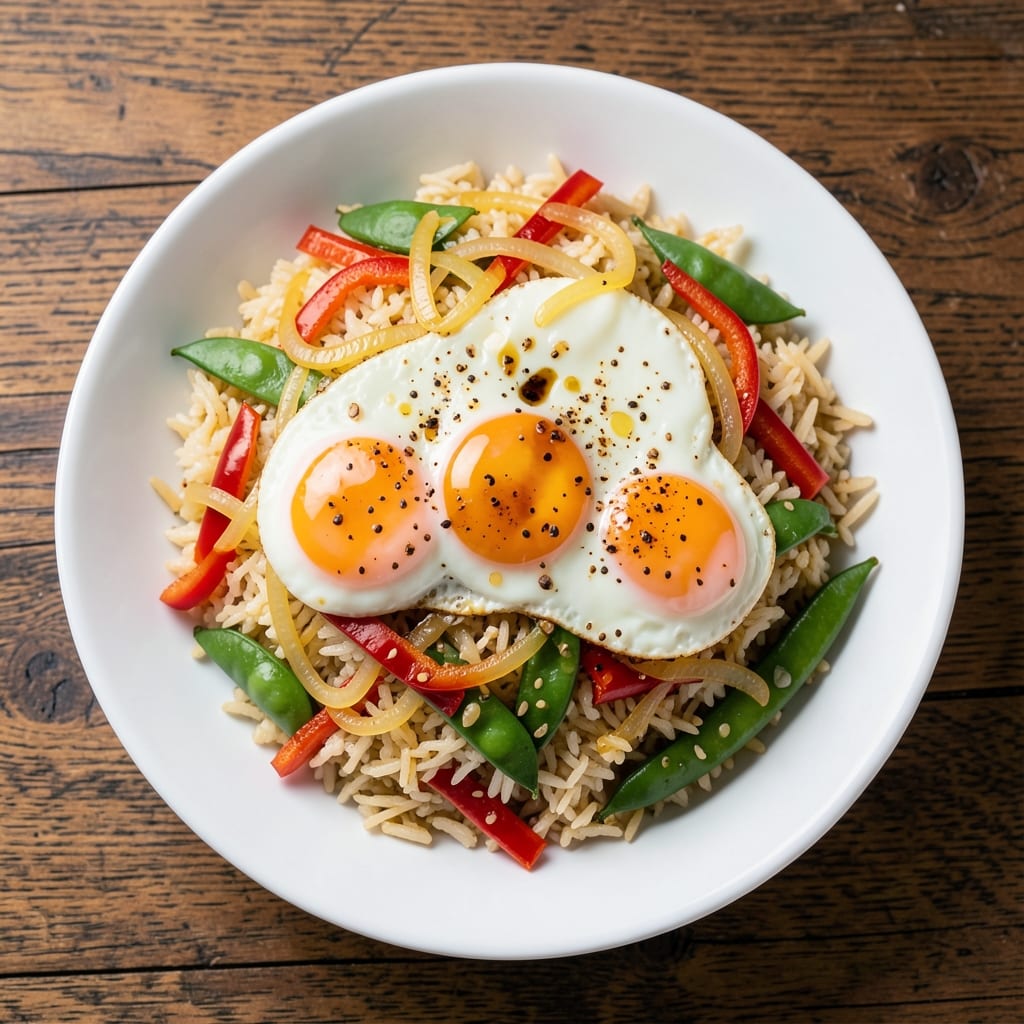
This best ever egg fried rice recipe delivers restaurant-quality wok-heated flavor with a silky, perfectly separated yolk that transforms ordinary rice into a showstopping dish. The secret lies in high-heat stir-frying and a precise egg technique that creates a cloud-like yolk while keeping the whites tender. I've perfected this method after years of trial and error—no more dry rice or rubbery eggs here.
What sets this recipe apart is the balance of textures and flavors: crisp-tender vegetables, savory soy sauce, aromatic ginger, and that perfectly separated yolk that coats every grain. The key is using day-old rice (never fresh!) and cooking everything in stages to maintain crispness. This isn't just fried rice—it's a technique that elevates simple ingredients into something extraordinary.
The result is a dish with golden-brown edges, fragrant aromatics, and a yolk so rich it melts into each bite. The sauce clings to the rice without making it soggy, and every ingredient plays its part—crisp bell peppers, sweet peas, and a hint of sesame oil for depth. This is the kind of fried rice that makes people ask for seconds before they even finish their first plate.
Whether you're feeding a crowd or treating yourself to a homemade meal, this recipe delivers professional-quality results in under 30 minutes. The method is straightforward but requires attention to timing and heat control—trust me, it's worth every minute. Let's get cooking!
Ingredients for best ever egg fried rice
Four cups of day-old rice and fresh ingredients transform into restaurant-quality egg fried rice.
| Ingredient | Amount | Notes |
|---|---|---|
| Day-Old Cooked White Rice 🍚 | 4 cups | Cold or room temperature preferred |
| Large Eggs 🥚 | 3 whole | Room temperature for separation |
| Yellow Onion 🧅 | 1 whole | Thinly sliced, white and light green parts |
| Red Bell Pepper 🌶️ | 1 whole | Thinly sliced, seeds removed |
| Fresh Peas 🌱 | ½ cup | Thawed if frozen, no need to peel |
| Garlic Cloves 🧄 | 4 cloves | Minced, fresh preferred |
| Fresh Ginger 🌿 | 1 tbsp | Finely grated, peeled |
| Light Soy Sauce 🥢 | 3 tbsp | Kikkoman preferred for balance |
| Dark Soy Sauce 🥢 | 1 tbsp | For deeper color and flavor |
| Sesame Oil 🫒 | 1 tbsp | Toasted, for aroma |
| Vegetable Oil 🫒 | 2 tbsp | High smoke point for wok-heating |
| Diamond Crystal Kosher Salt 🧂 | ½ tsp | For seasoning, to taste |
| Black Pepper 🌶️ | ¼ tsp | Freshly cracked, for heat |
| Green Onions 🧅 | 3 whole | Thinly sliced, for garnish |
The rice is non-negotiable—day-old, cold or room temperature, never fresh. Jasmine or long-grain white rice works best, and Trader Joe's or Whole Foods carry excellent pre-cooked options that reheat perfectly. For the eggs, room temperature is crucial; crack them into a bowl and whisk gently to maintain separation. The bell peppers should be crisp-tender, so young, fresh ones from the grocery store's produce section are ideal. If using frozen peas, thaw them completely and drain well—no one wants mushy peas in their fried rice.
No fresh ginger? Substitute with powdered ginger at half the amount, but the fresh version adds that bright, aromatic punch. Running short on sesame oil? Toasted sesame seeds at double the amount work in a pinch, though the aroma won't be as pronounced. For soy sauce, Kikkoman light soy is the gold standard, but any good-quality light soy will do. If you're vegetarian, ensure your soy sauce is vegan-friendly—some brands use fish-based additives. The green onions can be swapped for scallions or chives, but green onions have that perfect balance of sharpness and mildness that complements the dish.
Prep everything in advance—this isn't a dish for improvisation. The rice should sit at room temperature for at least 30 minutes before cooking to ensure even browning. Store any unused sesame oil in a dark glass bottle in a cool, dark place to preserve its flavor. Leftover fried rice reheats beautifully—simply warm it in a skillet with a splash of water or broth to restore moisture. It keeps for 3-4 days in the fridge, though I rarely have any leftovers that long. For freezing, portion into single servings and thaw overnight in the fridge for best texture.
Why You'll Love This Recipe
- One-Pan Magic: I swear by this recipe—just one skillet, minimal cleanup, and zero fuss. The eggs scramble right into the rice while the onions caramelize, and those crispy bell pepper bits? They add texture without extra effort.
- Sweet-Savory Crunch: That balance of creamy eggs, slightly charred onions, and bright peas? It’s the kind of flavor that makes you pause mid-bite. The red bell pepper adds just enough sweetness to cut through the richness—no soy sauce overload needed.
- Lunchbox Hero: I pack this cold or reheated—it’s my go-to for work lunches or kids’ school meals. The day-old rice soaks up any leftover flavors, and the eggs keep it hearty. Honestly, my toddler’s favorite? The pea-picking phase is worth it.
- Budget Win: Eggs, rice, and seasonal veggies—this feeds four for under $5. No fancy ingredients, just pantry staples. Between us, it’s the dish I make when I’m broke but refuse to eat sad cereal.
Step-by-step instructions for perfect egg fried rice
Master this wok technique for restaurant-quality fried rice with silky egg ribbons and balanced umami.
Prepare the Eggs for Separation
Crack the 3 whole Large Eggs into a bowl and whisk vigorously for 30 seconds until the whites and yolks are completely combined. The goal is to create a uniform mixture that will separate into delicate ribbons when cooked properly. I like to add a pinch of the 0.5 tsp Diamond Crystal Kosher Salt at this stage to enhance flavor integration.
Here's the thing—room temperature eggs separate better. If yours are straight from the fridge, let them sit for 10 minutes before whisking. This prevents rubbery curds and ensures those beautiful, glossy strands we're after. Keep the bowl nearby as you prep the rest of your ingredients—we'll cook these eggs immediately after the wok heats up.
Build the Aromatic Base
Heat a 14-inch wok or large skillet over high heat until it's screaming hot. Add 2 tablespoons Vegetable Oil and swirl to coat evenly. Toss in the 1 whole Yellow Onion and 1 whole Red Bell Pepper (already thinly sliced), stirring constantly for 2 minutes until they soften and begin to caramelize slightly.
Add the 4 cloves Garlic Cloves and 1 tablespoon Fresh Ginger (finely grated), cooking for another 30 seconds until fragrant. This is where the foundation flavors develop—don't rush this step. The vegetables should release their moisture and start to sizzle. If they're sticking, your wok isn't hot enough. Let it recover for 30 seconds before proceeding.
Cook the Eggs to Ribbon Perfection
Push the vegetables to one side of the wok, creating space in the center. Pour in the whisked eggs and let them sit undisturbed for 5 seconds—this allows the bottom to set slightly before gently stirring with a spatula in wide, sweeping motions. The key is to create those signature ribbons while keeping the eggs slightly runny in the center.
Cook for 20-30 seconds total, until the eggs are just set but still slightly glossy. Overcooking will turn them into scrambled chunks. Once the eggs are perfectly cooked, mix them thoroughly with the vegetables. This is the moment that matters: the eggs should cling to the vegetables in delicate strands rather than breaking apart.
Incorporate the Rice and Seasonings
Add the 4 cups Day-Old Cooked White Rice, breaking up any clumps with your spatula. The rice should be cold or at least not steaming hot—this prevents a gummy texture. Stir-fry for 2 minutes, letting the rice absorb the egg and vegetable flavors while it begins to crisp slightly at the edges.
Drizzle in the 3 tablespoons Light Soy Sauce and 1 tablespoon Dark Soy Sauce, followed by the 0.5 cup Fresh Peas. The dark soy sauce will give your fried rice that signature deep color while adding complexity. Cook for another 2 minutes, stirring constantly. If the rice starts to stick, add 1-2 tablespoons hot water to deglaze and create steam.
Finish with Sesame Oil and Garnish
Reduce heat to medium and stir in the 1 tablespoon Sesame Oil. This final touch adds an incredible aroma and nutty depth. Taste and adjust seasoning with additional Diamond Crystal Kosher Salt or Black Pepper if needed—remember, the rice will continue to absorb flavors as it rests.
Remove from heat and immediately garnish with the 3 whole Green Onions (thinly sliced). Serve while still hot, straight from the wok. The rice should be perfectly crisp at the edges with tender centers, the eggs in delicate ribbons, and all the vegetables evenly distributed. Each bite should deliver balanced texture and flavor—this is what separates good fried rice from exceptional.
Pro Tips For Making Best Ever Egg Fried Rice
- STIR-FRY THE RICE DRY: Break up your day-old rice with your hands first—no clumps, no soggy bits. I used to rely on a spatula and ended up with uneven cooking; now I spread the rice on a plate, dig my fingers in, and fluff it like I’m aerating soil. This keeps the grains separate so they crisp up properly instead of turning into glue.
- SCRAMBLE EGGS SEPARATELY: Push those eggs into a preheated pan with just a whisper of oil—no rice yet—and cook them until just set but still slightly soft. After burning three batches where the eggs turned rubbery from mixing with the rice too soon, I learned to finish them separately. Slide them in at the very end, letting the residual heat melt them into the dish without overcooking.
- CHAR THE ONION FIRST: Slice your yellow onion thin and cook it in the wok or pan until the edges turn golden brown—about 3-4 minutes on high heat. This deepens the flavor way more than a quick sauté, and it’s the base that carries the whole dish. Skip this, and you’re just eating mild onion instead of rich, caramelized depth.
- USE FROZEN PEAS: Fresh peas? Sure, but frozen peas save time and actually hold their texture better in fried rice. Toss them in during the last 30 seconds of cooking—they’ll thaw instantly in the hot pan and keep their bright green color instead of turning mushy. I keep a bag in the freezer just for this, and it’s become my go-to.
Wine and beer pairings for these flavors
Crisp White Wine
A dry Sauvignon Blanc from New Zealand or Loire Valley is my go-to pairing for this dish. The bright acidity and citrus notes—think grapefruit and green apple—cut through the richness of the egg and soy sauce while complementing the fresh peas and bell pepper. I love Cloudy Bay Sauvignon Blanc for its zesty finish that refreshes your palate between bites. Serve slightly chilled to enhance the wine's crispness. 🍷
Light Beer Options
For beer lovers, a Japanese lager like Asahi Super Dry or Sapporo works beautifully. The clean, crisp profile with subtle hop bitterness balances the umami flavors without overpowering them. If you prefer American options, a wheat beer such as Blue Moon adds a light citrus note that pairs well with the ginger and sesame oil. Avoid heavy stouts or IPAs—they'll clash with the delicate egg ribbons and fresh vegetables. 🍺
Rosé for Versatility
A dry Provence rosé is a fantastic all-around choice, especially if you're serving this with other Asian-inspired dishes. The red berry flavors and medium acidity complement the soy sauce while the subtle floral notes harmonize with the sesame oil. Look for Whispering Angel or Château d'Esclans—both have the perfect balance of fruit and minerality. Serve at 50-55°F to let the wine's freshness shine through.
Sake for Authenticity
If you want to stay true to Asian dining traditions, a dry junmai sake like Dassai or Gekkeikan is an excellent match. The clean, slightly nutty profile enhances the rice and egg flavors without competing. Chill it slightly before serving—around 45-50°F—to bring out its crispness. For a fun twist, try a sparkling sake like Kubota to add a celebratory touch to your meal. 🍶
Non-Alcoholic Pairings
Don't overlook non-alcoholic options! A sparkling green tea such as San Pellegrino Limonata or Fever-Tree Ginger Beer adds a refreshing contrast. For something more substantial, try a cucumber-mint infused water—muddle 4 cucumber slices and 3 mint leaves with ice and a splash of lime juice. The cool, crisp flavors cleanse your palate between bites of rich fried rice. 💧
Nutrition facts
Frequently asked questions
Why does my egg fried rice turn out mushy?
Mushy fried rice usually means one of two things: using fresh rice (which has too much moisture) or not cooking it long enough at high heat. Always use day-old cold rice—it should be completely dry. Stir-fry for at least 3-4 minutes on high heat to develop crisp edges while keeping centers tender. If it sticks, add 1 tbsp hot water to deglaze and create steam.
Can I make this with frozen vegetables?
Yes, but thaw them completely first and drain well to avoid soggy texture. For best results, use fresh peas and bell peppers—they hold their crispness better. If using frozen, spread them on a paper towel to remove excess moisture before adding to the wok. The vegetables should sizzle when they hit the hot pan, not steam.
What's the secret to perfectly separated egg ribbons?
The key is room-temperature eggs and precise timing. Whisk 3 eggs until fully combined, then cook on high heat for 20-30 seconds without stirring—let them set slightly at the bottom first. Stir gently in wide motions to create ribbons, not scrambled chunks. The eggs should be just set but still slightly glossy in the center.
How do I adjust this for spicier flavors? Add ½ tsp chili flakes or 1 tbsp sriracha with the soy sauces, or stir in 1 tsp gochujang (Korean chili paste) at the end. For heat lovers, toss in ½ cup diced jalapeños with the vegetables.
Can I make this ahead of time?
Yes! Let the fried rice cool completely, then store in an airtight container for up to 3 days. Reheat in a skillet with 1 tbsp oil over medium heat, adding 1-2 tbsp water to restore crispness. For best texture, serve within 24 hours—the flavors deepen but the edges may lose some crunch over time.