
Desserts
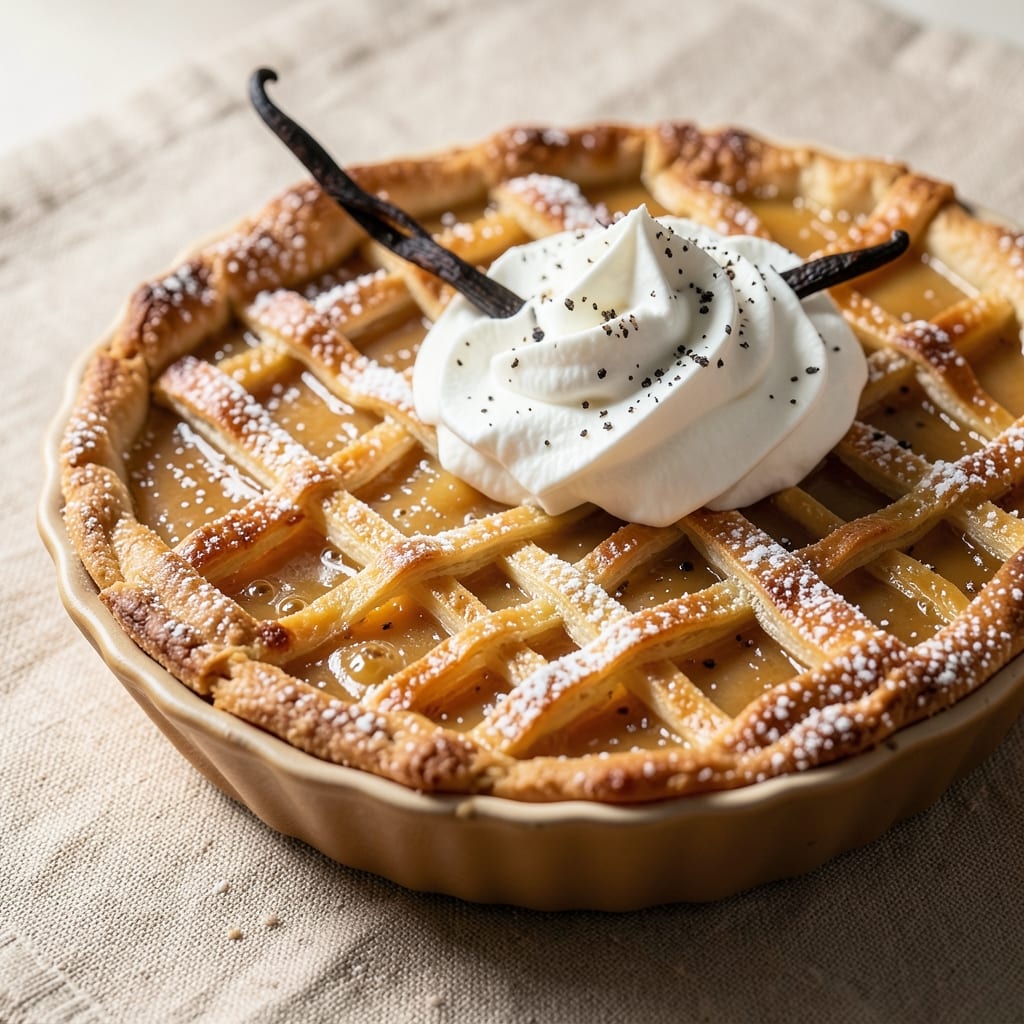
This best ever egg custard pie recipe delivers the perfect balance of silky yolk perfection and a golden, flaky crust—the kind that makes every slice worth savoring. 💛 The secret lies in a foolproof custard filling that stays rich and creamy while the buttery crust achieves that coveted crispness. After years of testing, this version consistently delivers restaurant-quality results at home, with a texture so smooth it practically melts in your mouth.
The magic starts with a high-quality pie crust—either homemade or store-bought—that gets pre-baked until just set, preventing a soggy bottom. The custard itself is a simple yet precise blend of eggs, cream, sugar, and vanilla, tempered to perfection to avoid curdling. A lightly browned crust adds depth, while the custard inside remains velvety and golden, with just a hint of caramelization at the edges.
What sets this recipe apart is the balance of flavors and textures—the custard’s richness is tempered by a buttery, slightly crisp crust, creating a harmonious bite. The custard’s silky smoothness contrasts beautifully with the flaky layers of the crust, making each slice a masterpiece. Whether you’re serving it warm from the oven or at room temperature, this pie is guaranteed to impress.
Ready in about an hour, this custard pie is perfect for holidays, potlucks, or a special dessert night. The foolproof technique ensures success every time, so you can focus on enjoying the results rather than worrying about mistakes. Here’s how to make it—step by step—for the best ever egg custard pie you’ve ever tasted.
Ingredients for best ever egg custard pie
Sixteen ingredients transform into the most luxurious custard pie you'll ever bake—silky filling meets golden perfection.
| Ingredient | Amount | Notes |
|---|---|---|
| Large Eggs 🥚 | 6 whole | Fresh, room temperature for blending |
| Heavy Whipping Cream 🥛 | 2 cups | Full-fat for rich custard texture |
| Granulated Sugar 🍚 | 1 ¼ cups | Superfine for smoother texture |
| Pure Vanilla Extract 🌿 | 2 tbsp | High-quality, Madagascar bourbon preferred |
| Unsalted Butter 🧈 | 1 cup | Cold, cubed for crust |
| All-Purpose Flour 🌾 | 2 ½ cups | For pie crust, plus extra for dusting |
| Ice Water 💧 | ½ cup | Chilled for pie crust |
| Salt 🧂 | 1 tsp | Fine sea salt for crust |
| Ground Cinnamon 🌶️ | 1 tsp | Optional, for subtle warmth |
| Lemon Zest 🍋 | 1 tbsp | Brightens custard flavor |
| Cornstarch 🌾 | 2 tbsp | Prevents curdling |
The eggs are non-negotiable—fresh, room-temperature eggs blend into a velvety custard, while cold butter cubes create the flakiest crust. For the eggs, Pete and Gerry's Organic or local farm eggs make all the difference in richness. The heavy cream should be full-fat, not ultra-pasteurized—it makes the custard truly decadent. Sugar matters too: superfine sugar dissolves faster, but regular granulated works if you pulse it in a food processor. Vanilla extract? Madagascar bourbon vanilla has the deepest flavor, but Taster's Choice is a solid budget pick.
No heavy cream? Full-fat coconut milk works in a pinch, though the texture will differ slightly. Running short on cornstarch? Arrowroot powder at the same amount does the job just as well. The cinnamon is optional, but if you skip it, add an extra pinch of salt to balance the sweetness. For the crust, store-bought is fine—just look for brands with high butter content like Pillsbury Crescent Rolls—but homemade is worth the effort if you've got time. The lemon zest might seem minor, but it's what keeps the custard from tasting flat—organic lemons work best since conventional ones often lack zest.
Prevent soggy bottoms by pre-baking the crust until it's just set—golden but not browned. The custard can be made ahead and refrigerated for up to 2 days before baking, which is a game-changer for holiday prep. For make-ahead crusts, freeze fully baked shells for up to 3 months. Leftovers? This pie reheats beautifully—just 20 seconds in the microwave to restore that warm-from-the-oven magic. Store any leftovers covered at room temperature for up to 4 hours or refrigerate for 3-4 days.
Why You'll Love This Recipe
- No Fuss, No Fail: I swear by this recipe because it’s the kind of dessert that doesn’t demand perfection—just a whisk, a bowl, and 15 minutes of hands-off baking. The custard never curdles, the crust stays tender, and honestly? Even if you’re not a baker, you’ll nail it.
- Velvet Smooth Magic: That perfect balance of creamy eggs, rich vanilla, and just enough sugar? It’s like a hug in pie form. The heavy cream gives it a luxurious mouthfeel, while the butter adds that subtle depth—no artificial flavors, just pure comfort.
- Weeknight or Guest Night: Make it for your own breakfast, then reheat slices for dinner when unexpected company shows up. It’s that versatile. (Yes, even on a Tuesday night.) The custard reheats beautifully, and the crust? Crisp enough to impress, soft enough to disappear.
- Leftovers? Best Ever: Between us, this is the dessert that actually tastes better the next day. Store-bought custard pies? Overpriced and sad. This one? You’ll be wrapping slices for lunch the following afternoon, and no one will question why. Budget-friendly too—eggs and cream stretch farther than you’d think.
Step-by-step instructions for silky yolk perfection with golden crust
Here's where the magic happens—creamy custard meets buttery crust for showstopping results.
👨🍳 Step 1: Prepare the Perfect Custard Filling
In a large mixing bowl, whisk together the 6 whole Large Eggs and 1.25 cups Granulated Sugar until completely combined and slightly thickened. This ensures a smooth, lump-free custard base. I like to use a balloon whisk for this—it incorporates air gently while keeping the mixture light.
In a separate bowl, whisk together the 2 cups Heavy Whipping Cream, 2 tbsp Pure Vanilla Extract, 1 tbsp Lemon Zest, and 2 tbsp Cornstarch. The cornstarch acts as a stabilizer, preventing curdling during baking. Slowly pour this cream mixture into the egg mixture while whisking constantly to create a velvety, uniform custard.
Here's the thing—taste it now. The custard should be sweet but not cloying, with bright vanilla and citrus notes. If it needs more sweetness, add a pinch of sugar, but trust the original measurements first. This is your flavor foundation, so don't rush this step.
🍳 Step 2: Prepare the Buttery Pie Crust
In a food processor, pulse together the 2.5 cups All-Purpose Flour and 1 tsp Salt until combined. Add the 1 cup Unsalted Butter, cut into cubes, and pulse until the mixture resembles coarse crumbs with pea-sized butter pieces. This texture is crucial for a flaky crust.
Sprinkle the 0.5 cup Ice Water over the mixture and pulse until the dough just comes together. Be careful not to overwork it—just until it holds when pressed. Turn the dough onto a lightly floured surface and gently shape it into a disk. Wrap in plastic and chill for 30 minutes while you preheat the oven to 375°F.
I always roll out the crust between two sheets of parchment paper to prevent sticking. The paper also helps transfer the crust into the pie dish without tearing. Roll it out to about 12 inches diameter—just enough to fit a standard 9-inch pie dish with some overhang.
🥘 Step 3: Assemble and Bake the Perfect Pie
Carefully transfer the chilled crust to a 9-inch pie dish, trimming any excess dough. Press it gently into the bottom and up the sides, creating a slight overhang. Here's where it gets fun—sprinkle about 1 tsp Ground Cinnamon (if using) evenly over the crust bottom. This adds subtle warmth that pairs beautifully with the custard.
Pour the custard filling into the prepared crust, letting it settle evenly. The mixture should come about ½ inch from the top edge. Place the pie dish on a baking sheet lined with parchment paper to catch any potential spills—this custard is generous!
Bake for 45-50 minutes until the custard is set but still slightly jiggly in the center (it will firm up as it cools). The edges should be golden brown, and you'll see a thin skin form on top—this is normal and indicates proper cooking. If the crust starts browning too quickly, tent loosely with foil.
⏰ Step 4: Cool and Serve for Maximum Creaminess
Remove the pie from the oven and let it cool completely at room temperature for 2 hours. This slow cooling process is critical—it allows the custard to set properly without developing a skin on top. I know it's tempting to cut into it warm, but patience here ensures that perfect, silky texture.
Once cooled, chill the pie in the refrigerator for at least 4 hours (overnight is even better). The custard will firm up beautifully, creating that signature creamy-yet-firm texture we all love. When ready to serve, run a thin knife around the edge to loosen it from the dish, then slice with a warm knife for clean pieces.
Each slice should reveal a golden crust encasing a cloud of custard—rich, velvety, and perfectly balanced between sweet and tangy. The lemon zest adds that bright finish that makes this custard truly exceptional. Serve with fresh berries or a dollop of whipped cream for the ultimate dessert experience.
Pro Tips For Making Best Ever Egg Custard Pie
- Whisk Eggs Cold: Take the eggs straight from the fridge—room temperature yolks make custards grainy. I learned this the hard way when my pie turned into scrambled eggs in a crust. Beat them vigorously for 2-3 minutes until the mixture is pale and noticeably thicker; that’s when the magic starts.
- Temper the Cream Slowly: Heat the cream over medium-low until it’s steaming but not boiling—think tiny bubbles at the edges, not a full-on roar. Pour it into the eggs in a thin, steady stream while whisking constantly. Dumping hot cream into cold eggs curdles faster than you can say "disaster."
- Strain for Smoothness: No matter how well you whisk, some stubborn egg strands sneak in. Run the custard through a fine-mesh sieve into your pie dish—it’s tedious, but the result is a silky texture that feels like cheating. (Yes, even if you’re impatient like me.)
- Pre-Bake the Crust: Blind-bake the crust for 10-12 minutes at 375°F (350°F if it’s homemade) with pie weights or dried beans. This prevents soggy bottoms and lets the custard set evenly. Skip this, and you’ll end up with a waterlogged mess—trust me, I’ve been there.
Troubleshooting perfect results
Custard Curdled?
If your custard separates or curdles, it’s usually from overheating or adding liquid too quickly. First, whisk in 1 tbsp cold cornstarch mixed with 1 tbsp cold water to thicken it. For a smoother texture, strain the custard through a fine-mesh sieve before pouring into the crust. Always temper eggs by whisking in warm cream gradually—never add cold liquid directly to warm eggs. 💡
Soggy Crust?
A soggy bottom happens when the crust isn’t pre-baked enough or the custard is too wet. Pre-bake your crust at 375°F for 10-12 minutes until it’s just set but still pale. For extra insurance, sprinkle a thin layer of crushed graham crackers or pecans between the crust and custard. This creates a barrier that keeps the crust crisp.
Uneven Baking?
If the edges cook faster than the center, tent the pie loosely with aluminum foil after 20 minutes to slow browning. For even heat distribution, place a baking sheet under the pie dish to catch drips and ensure the oven rack is in the middle position. If your oven runs hot, reduce the temperature to 350°F and add 5-10 minutes to the baking time.
Skin on Top?
A thin skin on the custard is normal, but if it’s thick or rubbery, your custard was likely overcooked. To prevent this, bake at a lower temperature (325°F) for a longer time (55-60 minutes) and avoid opening the oven door during baking. If it happens, whisk the custard vigorously before pouring it into the crust to break up any forming skin.
Crust Too Pale?
If your crust stays pale after baking, it might not have enough butter or was underbaked. Brush the crust with egg wash (1 egg yolk + 1 tbsp water) before baking for a golden finish. For a deeper color, broil the pie for 1-2 minutes at the end of baking, watching closely to avoid burning.
Custard Too Thin?
If your custard isn’t setting properly, it might need more thickening. Mix 1 tbsp cornstarch with 1 tbsp cold water, whisk it into the custard, then bake for an additional 5-10 minutes. For a richer texture, reduce the cream slightly by simmering it for 2-3 minutes before mixing with the eggs—this adds body without curdling.
Nutrition facts
Frequently asked questions
Can I make this custard pie ahead of time?
The custard filling can be prepared up to 2 days in advance and stored in the refrigerator. For the crust, you can roll it out and freeze it for up to 3 months or pre-bake it and store it at room temperature for 2 days. Assemble the pie just before baking to ensure the crust stays crisp.
Why does my custard sometimes curdle?
Curdling usually happens when eggs and cold liquids mix too quickly or the custard overheats. Always temper eggs by slowly whisking in warm cream, and avoid direct heat. If it happens, whisk in 1 tbsp cornstarch mixed with 1 tbsp cold water to fix it before baking.
Can I use a different crust for this recipe?
Yes! While a classic buttery crust works best, you can experiment with graham cracker, almond flour, or even a lattice crust for texture. Just ensure it’s sturdy enough to hold the custard filling. For a quick option, use Pillsbury Crescent Rolls pressed into a pie dish.
How do I prevent a soggy bottom?
Pre-bake your crust at 375°F for 10-12 minutes until it’s set but not browned. For extra protection, sprinkle a thin layer of crushed graham crackers or pecans between the crust and custard. This creates a barrier that keeps the crust crisp.
What’s the best way to serve this pie?
Serve it chilled for the creamiest texture, but warm slices are also delicious. Pair with fresh berries, whipped cream, or a drizzle of caramel for extra decadence. For a rustic touch, dust with powdered sugar or sprinkle with toasted nuts.