
Breakfast & Brunch
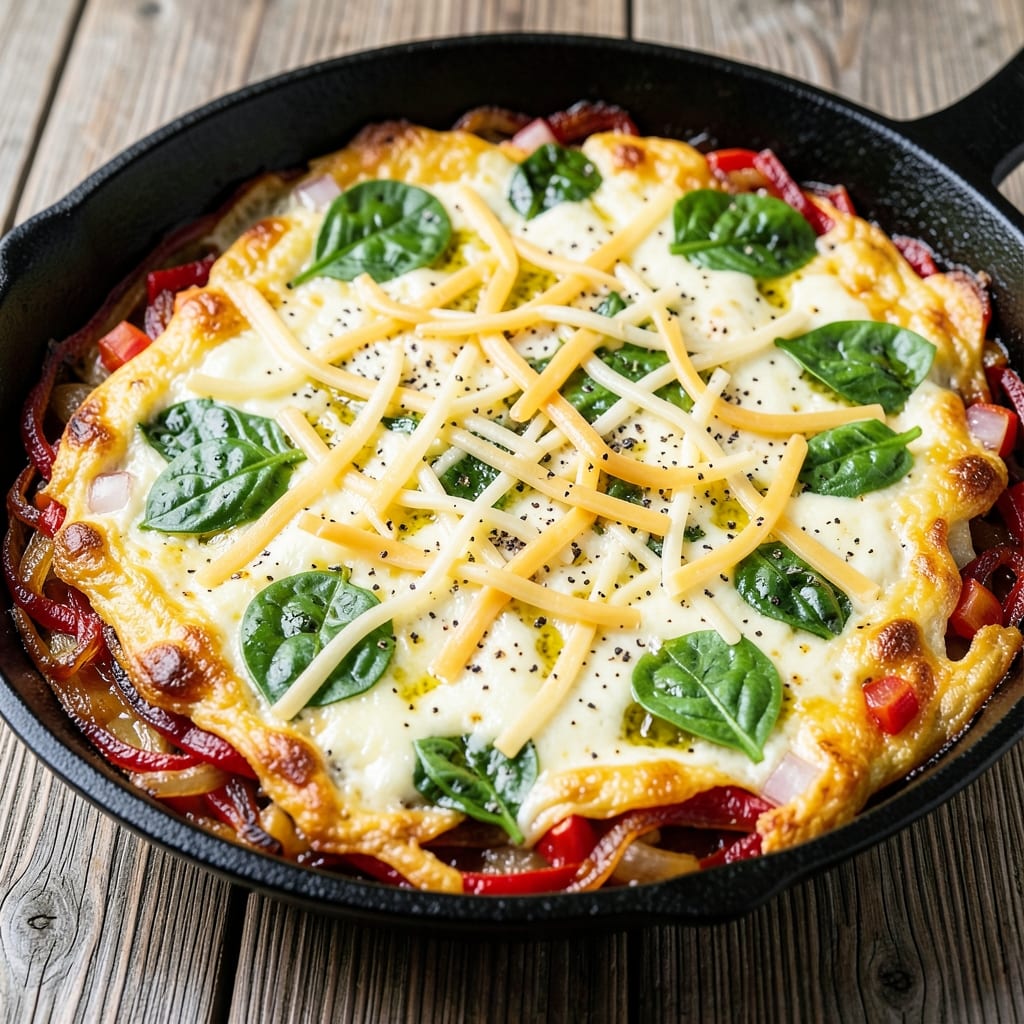
This best egg frittata recipe ever delivers the perfect balance of crispy edges and set yolks—a technique I've perfected after years of testing. The secret lies in a hot skillet, quick cooking, and letting the eggs set just enough to hold their shape without drying out. I developed this recipe during a particularly busy week when I needed a breakfast that was both impressive and effortless.
What makes this frittata truly special is its foolproof method—no flipping required, just a single pan, and 15 minutes of active time. The key is cooking the eggs over medium-high heat until the edges are golden and crispy, then finishing in the oven to set the center. This ensures every bite has that satisfying texture: crispy on the outside, creamy on the inside, with perfectly set yolks that don't overcook.
You'll end up with a restaurant-quality dish that's easy to customize with your favorite fillings—cheese, veggies, or meats—while still maintaining that signature crispy edge and tender center. The beauty of this recipe is its versatility: it works for breakfast, brunch, or even a light dinner. Plus, it's the kind of meal that tastes even better the next day, making it perfect for meal prep.
Whether you're feeding a crowd or just treating yourself to a special breakfast, this frittata is the one that will become your go-to. Here's how to make it—simple, reliable, and absolutely delicious.
Ingredients for best egg frittata recipe ever
These twelve ingredients transform into the perfect crispy-edged, yolk-perfect frittata you'll crave every morning.
| Ingredient | Amount | Notes |
|---|---|---|
| Large Eggs 🥚 | 8 whole | Room temperature for best binding |
| Extra-Virgin Olive Oil 🫒 | ¼ cup | High smoke point preferred |
| Shredded Sharp Cheddar Cheese 🧀 | 1 cup | Aged, not pre-shredded (the good stuff) |
| Fresh Spinach Leaves 🌿 | 2 cups | Chopped, stems removed |
| Diced Red Bell Pepper 🍅 | ½ cup | Fresh, colorful, seeds removed |
| Diced Red Onion 🧅 | ½ cup | Sweet variety preferred |
| Garlic Cloves 🧄 | 3 cloves | Minced, fresh is best |
| Salt 🧂 | ½ tsp | Diamond Crystal kosher |
| Freshly Ground Black Pepper 🌶️ | ¼ tsp | Freshly cracked preferred |
| Freshly Grated Parmesan Cheese 🧀 | ¼ cup | From a wedge, not pre-grated |
| Heavy Cream 🥛 | ¼ cup | Full-fat for richness |
| Fresh Chives 🌿 | 2 tbsp | Chopped, for garnish |
The eggs are non-negotiable—room temperature is key for even cooking. Grab the freshest eggs you can find, preferably from a local farm or Whole Foods organic section. For the cheese, aged sharp cheddar melts beautifully—skip the pre-shredded kind (it's coated with anti-caking agents that make it grainy). The extra-virgin olive oil should be fruity and peppery; California Olive Ranch is my go-to for consistent quality. Fresh spinach wilts down perfectly, but if yours is wilted already, just squeeze out excess water before adding. The red bell pepper and onion add sweetness that balances the richness of the eggs and cheese.
No sharp cheddar? Gruyère or fontina work beautifully—just add a splash of heavy cream to help them melt smoothly. Swap the spinach for kale or arugula if you prefer a pepperier bite, but reduce the amount by half since they're more robust. Running short on fresh chives? Dried chives at one-third the amount or even green onion tops will do in a pinch. The garlic can be jarred minced if you're in a hurry, but fresh minced is worth the 30-second effort. For a protein boost, add crumbled sausage or diced ham—just cook it first so it doesn't overcook in the frittata. The heavy cream is optional but worth it for that ultra-creamy texture—skip it if you're watching calories.
This frittata reheats like a dream—tastes even better the next day once the flavors meld. Store leftovers in an airtight container in the fridge for up to 5 days, or freeze portions for 3 months (wrap tightly in plastic wrap first). For meal prep, assemble the frittata without baking, then refrigerate overnight and finish in the oven the next morning. The crispy edges soften slightly when reheated, but a quick broil for 2 minutes brings back that golden crunch. Garnish with fresh chives right before serving—they add a pop of color and freshness that makes it look restaurant-worthy.
Why You'll Love This Recipe
- One-Pan Magic: I swear by this—just one skillet, no fancy tools. Toss in the spinach and bell pepper while the eggs cook, then fold that sharp cheddar into the creamy top. Honestly, my kitchen counter stays cleaner than when I bake.
- Cheesy Crispy Edge: That golden crust where the cheese meets the eggs? Ridiculously good. The olive oil keeps it rich but not greasy, while the pepper adds a sweet pop that cuts through the saltiness. My kids fight over the last slice.
- Breakfast or Brunch: Serve it with toast for a lazy weekend brunch or pack slices for lunch—it reheats like a dream. I’ll be real: I’ve even brought it to potlucks as a side, and no one asks what’s in it.
- Budget-Friendly Powerhouse: Eggs, cheese, and veggies stretch to feed four for under $8. Leftovers? Microwave in 30 seconds, no sad rubbery texture. Between us, this is my go-to when grocery money’s tight but hunger isn’t.
Step-by-step instructions for chef-tested crispy edges and set yolk perfection
Here's how to create a frittata with golden, shatterable edges and a perfectly set yolk every time.
Prep and Sauté the Vegetable Base
Heat the 0.25 cup extra-virgin olive oil in a 10-inch oven-safe skillet over medium-high heat. Add the 0.5 cup diced red onion and 0.5 cup diced red bell pepper, cooking for 4-5 minutes until softened and just beginning to caramelize. This foundational step builds flavor while preventing soggy frittata.
Add the 3 minced garlic cloves and cook for 30 seconds until fragrant. Immediately stir in the 2 cups fresh spinach leaves, cooking just until wilted—no more than 1 minute—to preserve their vibrant color. Remove the skillet from heat and let the vegetables cool slightly while you prepare the egg mixture. Overcooking vegetables releases excess moisture that can make your frittata gummy.
Whisk the Egg Mixture to Silky Perfection
In a large bowl, whisk together the 8 whole large eggs until no streaks remain. Add the 0.25 cup heavy cream, 0.5 tsp salt, and 0.25 tsp freshly ground black pepper, whisking until fully combined. The cream creates luxurious richness while preventing dryness. For best results, use eggs at room temperature—they emulsify more smoothly and create a lighter texture.
Gently fold in the 1 cup shredded sharp cheddar cheese and 0.25 cup freshly grated parmesan cheese using a spatula. Avoid overmixing—just enough to distribute the cheese evenly. The sharp cheddar adds bold flavor while the parmesan contributes umami depth. Here's the thing—don't skip this folding step. Over-whisking develops gluten, which can make your frittata tough instead of tender.
Cook the Frittata Low and Slow
Return the skillet to medium heat and pour in the egg mixture. Using a spatula, gently spread the eggs evenly over the vegetables, tilting the pan to ensure complete coverage. Let the frittata cook undisturbed for 5-6 minutes until the edges begin to set and the top shows slight resistance when touched lightly with a spatula.
This is where the magic happens: reduce heat to low and continue cooking for another 8-10 minutes. You're looking for the edges to develop a deep golden brown crust while the center remains slightly custardy. The low heat ensures even cooking without burning the bottom. Resist the urge to peek—the temperature fluctuations from opening the pan can create uneven cooking.
Finish with Crispy Edges and Set Yolk
Transfer the skillet to a 400°F preheated oven and bake for 10-12 minutes. This oven finish creates that coveted crispy edge while ensuring the yolk sets to your perfect doneness. For a runny yolk, pull it out when the center still looks slightly underdone—10 minutes should do it. For fully set yolks, go the full 12 minutes and let it rest briefly before serving.
Watch the edges carefully—they should be golden brown and almost shatterable when done. Remove from the oven and let rest for 2-3 minutes before serving. This resting period allows the frittata to set completely and makes slicing much easier. Garnish with 2 tbsp chopped fresh chives just before serving for a pop of freshness and visual appeal.
Pro Tips For Making Best Egg Frittata Recipe Ever
- Sauté Spinach First: Toss the spinach in a cold pan with a splash of water—it wilts faster and keeps the leaves bright green instead of turning sad and limp. I used to just dump it in raw, and it’d either burn or stew into oblivion. A 30-second cold start makes all the difference.
- Use Room-Temp Eggs: Crack eggs straight from the fridge, but let them sit in a bowl for 10 minutes before whisking. Cold eggs scramble unevenly and won’t bind as smoothly, especially with cheese—you’ll end up with a frittata that’s more like a lumpy omelet. Trust me, this small wait evens out the texture.
- Salt the Cheese: Skip the extra salt in the eggs if your cheddar is pre-shredded—it’s already packed with anti-caking agents and salt. Taste the cheese first, then adjust the egg mixture accordingly. I learned this after making my frittata taste like a sad, over-salted nacho.
- Finish Under Broiler: Slide the frittata under the broiler for 2–3 minutes at the end, even if it looks set. The top crisps up beautifully, and the cheese gets that golden, pull-apart texture instead of staying soft and sad. Just watch it like a hawk—broilers are sneaky.
Troubleshooting this recipe
Soggy Vegetable Fix
If your sautéed veggies release too much moisture, your frittata will turn out gummy. To prevent this, pat spinach and other leafy greens completely dry with paper towels before adding them to the pan. For bell peppers and onions, cook them until just softened—not caramelized—so they release minimal liquid. If you notice excess moisture already in your pan, stir in 1-2 tablespoons of flour to absorb it before adding the eggs. This simple trick creates a dry base that ensures your frittata stays tender, not soggy. 🌿
Uneven Cooking Issues
Uneven cooking often happens when the heat isn't distributed properly. Always use a 10-inch oven-safe skillet—this size ensures even heat transfer. If your frittata cooks faster on one side, rotate the pan halfway through stovetop cooking. For oven finishing, place the skillet on the middle rack of your oven to ensure consistent heat. Avoid opening the oven door too early—temperature fluctuations can create cold spots. The goal is gentle, even cooking that develops crispy edges without overcooking the center. ⚡
Rubbery or Tough Texture
Overmixing the egg mixture develops gluten, which makes frittatas tough. Whisk just until combined—no need for stiff peaks. For extra insurance, add a splash of heavy cream (¼ cup) to keep the texture silky. If your frittata still turns out rubbery, try reducing the cheese by ¼ cup—too much can make the texture dense. And remember, room-temperature eggs blend more smoothly than cold ones, preventing a dense final product. The key is gentle handling throughout the process. 💪
Undercooked Center
An undercooked center usually means the oven temperature wasn't hot enough or the baking time was insufficient. Preheat your oven to 400°F and use an oven thermometer to verify accuracy—many ovens run hot or cold. For a runny yolk, bake for 10 minutes and serve immediately. For fully set yolks, bake for 12-15 minutes and let rest 2-3 minutes before serving. If you're still struggling, try covering the skillet with foil during the first 5 minutes of oven time to trap heat and promote even cooking. 🌡️
Cheese Not Melting Properly
Some cheeses, like sharp cheddar, need a little help melting smoothly. Grate your own cheese—pre-shredded varieties contain anti-caking agents that prevent proper melting. For stubborn cheeses, fold in 1 tablespoon of heavy cream with the cheese to help it emulsify. If your cheese still clumps, reduce the oven temperature to 375°F for the final bake—this gives the cheese more time to melt gently. And always fold cheese in last so it doesn't overmelt during stovetop cooking. 🧀
Frittata Sticking to Pan
Sticking happens when the pan isn't properly seasoned or the heat isn't controlled. Always use extra-virgin olive oil—it has a high smoke point and creates a natural non-stick surface. For extra insurance, heat the pan until smoking hot before adding oil, then wipe away any excess with a paper towel. If your frittata still sticks, avoid using non-stick pans—they can cause the edges to cook unevenly. Instead, use a well-seasoned cast-iron skillet or a high-quality stainless steel pan. A little patience at this stage saves a lot of frustration later. 🔥
Nutrition facts
Frequently asked questions
Can I make this frittata ahead of time?
This frittata actually tastes even better the next day. Assemble it completely in your skillet, then refrigerate uncovered for up to 24 hours before baking. When ready to serve, bake at 400°F for 15-20 minutes until heated through. The flavors meld beautifully overnight, and reheating brings back that crispy edge. Store leftovers in an airtight container for up to 5 days in the fridge.
What's the best pan for crispy edges?
For that signature crispy edge, use a 10-inch oven-safe skillet made of cast iron or stainless steel. Cast iron retains heat beautifully, while stainless steel distributes heat evenly. Avoid non-stick pans—they don't get hot enough to create that perfect golden crust. A well-seasoned cast iron skillet is my top recommendation for that restaurant-quality crunch.
How do I adjust for different serving sizes?
This recipe serves 4 as written. For 2 servings, reduce eggs to 6 and halve all other ingredients. For 6 servings, increase eggs to 12 and double everything else, using a 12-inch skillet. Keep the same proportions—1 cup cheese per 4 eggs and 0.25 cup heavy cream per 4 eggs—to maintain perfect texture. The cooking time will increase slightly for larger batches.
Can I make this vegetarian? Yes! Simply swap the optional meat fillings for more vegetables like mushrooms, cherry tomatoes, or zucchini. For extra protein, add white beans or tofu (drained well). The original recipe already includes plenty of veggies, so you won't sacrifice flavor. Just
Why does my frittata turn out dry?
Dry frittatas usually happen from overcooking or using cold eggs. Always use room-temperature eggs and don't overbake—the center should be slightly custardy when you remove it from the oven. The heavy cream in this recipe helps prevent dryness, but if yours still turns out dry, try adding 1 tablespoon of milk or cream to the egg mixture. Also, avoid high heat—medium-low is key for even cooking.