
Main Courses
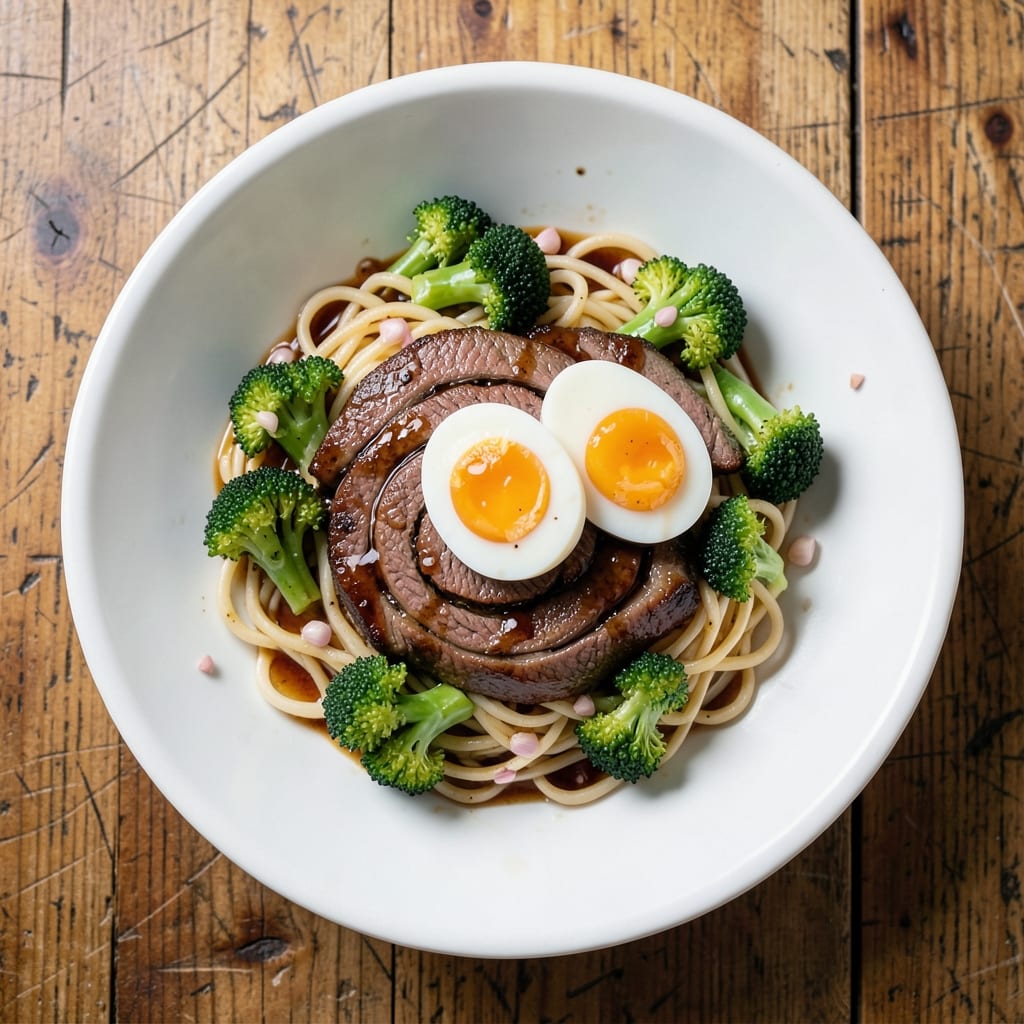
This beef broccoli egg noodle recipe delivers restaurant-quality stir-fry in one pan with tender beef, crisp broccoli, and delicate egg ribbons that elevate every bite. The secret lies in high-heat searing for beef that stays juicy while developing a caramelized crust, paired with broccoli that retains its vibrant green color and satisfying crunch. I've perfected this technique over years of testing—balancing wok hei (breath of the wok) with home kitchen simplicity.
The dish begins with thinly sliced beef that cooks quickly in a hot pan, then sets aside while you stir-fry broccoli until just tender-crisp. Fresh egg ribbons—whisked, poured, and swirled—transform the dish from ordinary to extraordinary, creating silky strands that cling to every noodle. The sauce, a balance of soy, garlic, and a touch of sweetness, ties everything together without overpowering the natural flavors.
What you'll end up with is a foolproof one-pan meal that's ready in 20 minutes—golden-brown beef, bright broccoli florets, and chewy egg noodles blanketed in silky egg ribbons. The aroma alone will have everyone gathering at the table, and the first bite delivers that perfect harmony of textures and flavors that makes this dish a weeknight favorite. This recipe proves you don't need a wok to achieve authentic stir-fry results at home.
The beauty of this dish lies in its versatility—serve it as a main course with steamed rice or as a hearty lunch with a side salad. The leftovers reheat beautifully, making it perfect for meal prep. Whether you're cooking for two or feeding a crowd, this beef broccoli egg noodle stir-fry delivers restaurant-quality results with minimal effort and maximum flavor.
Ingredients for beef broccoli egg noodle
Restaurant-quality flavors with just 14 simple ingredients—no wok required.
| Ingredient | Amount | Notes |
|---|---|---|
| Flank Steak 🥩 | 1 lb | Thinly sliced against grain |
| Egg Noodles 🍜 | 8 oz | Fresh or dried, chewy variety |
| Broccoli Florets 🥦 | 4 cups | Cut into bite-sized pieces |
| Large Eggs 🥚 | 4 whole | Room temperature preferred |
| Soy Sauce 🍶 | ⅓ cup | Low-sodium preferred |
| Garlic Cloves 🧄 | 4 cloves | Minced, fresh preferred |
| Sesame Oil 🫒 | 1 tbsp | Toasted, for aroma |
| Vegetable Oil 🫒 | 2 tbsp | High smoke point |
| Sugar 🍚 | 1 tbsp | White or brown |
| Cornstarch 🌾 | 1 tbsp | For sauce thickening |
| Green Onion 🧅 | ¼ cup | Sliced, for garnish |
| Salt 🧂 | 1 tsp | Kosher or sea salt |
| Black Pepper 🌶️ | ½ tsp | Freshly ground |
| Sesame Seeds 🌰 | 1 tbsp | Toasted, for garnish |
The beef is everything here. Flank steak is my go-to because it's lean, affordable, and slices beautifully against the grain. Grab it from the butcher section—ask for it pre-sliced if you're short on time, but slicing it yourself (freezer paper trick!) makes all the difference. For broccoli, fresh is non-negotiable—frozen works in a pinch, but the texture just isn't the same. Look for bright green florets with tight buds at Trader Joe's or your local grocer's produce section. The egg noodles? Fresh is ideal, but dried works too if you've got Martini brand in your pantry—those chewy ones hold up perfectly.
No flank steak? Sirloin or ribeye sliced thin will work, but they're pricier. Running low on soy sauce? Coconut aminos in a pinch (though it's sweeter). Fresh garlic is a must—jarred minced won't give you that punch. The sesame oil might be pricey, but a little goes a long way—Kadoya brand is my top pick, but any toasted sesame oil works. For the egg ribbons, room temperature eggs whisk up smoother—just pop them in warm water for 5 minutes if they're straight from the fridge. And if you're worried about the sauce being too thin, cornstarch slurry (mix with cold water) is your secret weapon.
This dish reheats like a dream—2 minutes in a hot pan with a splash of water brings back that crisp-tender texture. Store leftovers in the fridge for 3-4 days or freeze for up to 3 months (portion into single servings for easy reheating). The egg ribbons are the star, so if you're prepping ahead, make them fresh before serving—they won't hold up well when reheated. For extra flavor, toast the sesame seeds in a dry pan until golden before sprinkling on top—worth the extra minute.
Why You'll Love This Recipe
- No-Fuss Protein Pack: I swear by this for days I’m too tired to overthink dinner. Thinly sliced flank steak cooks in minutes—no waiting for a thick cut to tenderize—while the broccoli and eggs handle the rest. Honestly, the only prep is slicing the beef and chopping the florets, and even that’s optional if you buy pre-cut.
- Umami Bomb: That soy sauce and egg combo? It’s where the magic happens. The eggs add a silky richness, while the soy deepens the beef’s natural savoriness—no fancy sauces needed. Between us, the first bite makes me pause mid-chew, and that’s saying something for a weeknight dish.
- Leftover Hero: This recipe begs to be made extra. The noodles soften just right the next day, the beef stays juicy if stored properly, and reheating? Toss it in a pan with a splash of water—done. I’ve fed my family lunch for two days running from one batch, and no one complains.
- Budget Meal MVP: Flank steak is affordable, eggs stretch further than you’d think, and broccoli’s a pantry staple. I’ll be real: this feeds four for under $15, and the leftovers stretch even longer. It’s the kind of dish that makes me feel like I’m treating myself without breaking the bank.
Step-by-step instructions for beef broccoli egg noodle stir-fry
This one-pan stir-fry comes together faster than you can say "silky egg ribbons."
Marinate and Prep the Flank Steak
Slice the 1 lb flank steak thinly against the grain for tender bites. In a bowl, mix the 0.33 cup soy sauce, 1 tbsp sugar, 1 tsp salt, and 0.5 tsp black pepper. Add the steak and toss to coat evenly. Let it marinate for at least 15 minutes—this ensures maximum flavor penetration. While it marinates, prepare the 4 cups broccoli florets by cutting them into bite-sized pieces.
I like to press the marinade into the meat gently with my fingers. This step is crucial—it prevents the steak from drying out during the quick stir-fry. If you're short on time, even 10 minutes of marinating will help, but longer is always better for deeper flavor.
Cook the Steak and Broccoli
Heat 2 tablespoons vegetable oil in a large skillet or wok over medium-high heat until shimmering. Remove the steak from the marinade (reserve the marinade) and cook for 2-3 minutes until the edges turn light brown and the steak is cooked to your liking. Remove the steak and set it aside.
In the same pan, add the 4 cups broccoli florets and stir-fry for 3-4 minutes until bright green and just tender-crisp. Don't overcook—they should still have a slight bite. Add the 4 cloves minced garlic and cook for 30 seconds until fragrant. Pour in the reserved steak marinade and bring to a simmer for 1 minute to thicken slightly.
Prepare the Silky Egg Ribbons
In a small bowl, whisk the 4 whole large eggs until frothy. Heat 1 tablespoon sesame oil in a clean, dry skillet over low heat. Pour in the eggs and let them sit undisturbed for 5-7 seconds—this creates those signature silky ribbons. Gently tilt the pan and use a spatula to fold the eggs into soft, wispy strands. Remove and set aside.
Here's the thing—low heat is key. If the pan is too hot, you'll get scrambled eggs instead of delicate ribbons. The eggs should still be slightly runny in the center when you remove them. They'll finish cooking when mixed with everything else.
Combine Everything and Finish
Return the cooked steak to the skillet with the broccoli and sauce. Add the 8 oz egg noodles and toss everything together for 1-2 minutes until the noodles are heated through and coated in the sauce. Stir in the 1 tablespoon cornstarch and cook for 30 seconds to thicken the sauce slightly.
Finally, fold in the silky egg ribbons and heat through for 30 seconds. The sauce should coat the noodles and steak evenly, with just enough gloss to tell you it's perfectly balanced. Taste and adjust seasoning if needed—you might want to add a splash more soy sauce for extra umami.
Garnish and Serve
Transfer the stir-fry to serving plates and garnish with 0.25 cup sliced green onion and 1 tablespoon toasted sesame seeds. The green onion adds a fresh contrast to the rich flavors, while the sesame seeds give a nutty crunch with every bite.
Serve immediately while everything is hot. The steak should be tender, the broccoli vibrant and crisp, and the egg ribbons silky and delicate. This dish tastes even better the second time around—leftovers reheat beautifully with a splash of water to loosen the sauce.
Pro Tips For Making Beef Broccoli Egg Noodle
- Slice Steak Against Grain: Flank steak fights you if you cut with the grain—it turns tough and chewy. Grab a sharp knife and slice diagonally at a 45-degree angle after cooking, then flip the pieces to align the fibers properly. (Yes, it looks messy, but your fork will thank you later.)
- Blanch Broccoli First: Toss broccoli florets in boiling water for 30 seconds before stir-frying—this stops the bitter enzymes and keeps them bright green. Drain and shock in ice water, then pat very dry. Wet broccoli steams instead of searing, and no one wants sad, limp florets.
- Salt the Egg Noodles: Skip the salt packet that comes with the noodles—those are designed to be bland. Instead, boil them in well-salted water (like pasta water) and finish with a splash of the cooking liquid when tossing. The starch clings better, and the sauce sticks like glue. (I learned this the hard way when my noodles tasted like cardboard.)
- Sear Steak in Batches: A crowded pan = steamed beef. Cut the flank steak into thin strips and cook them in two rounds if needed—this keeps the heat high and the crust crisp. Use a wire rack or clean paper towels to blot excess moisture before searing, or you’ll end up with a sad, greasy mess. (Your future self will thank you.)
Essential equipment for this dish
Wok or Skillet
A wok is ideal for this stir-fry because its high, sloped sides create the perfect wok hei (breath of the wok) that gives the dish its signature smoky aroma. However, a large skillet with a flat bottom works just as well—I use my 12-inch All-Clad stainless steel pan for even heat distribution. If you're using a skillet, make sure it's heavy-bottomed to prevent hot spots. For budget-friendly options, a carbon steel wok from Amazon Basics is a great investment that heats up quickly and develops a natural non-stick patina over time. 🔥
Knife Set
You’ll need a sharp chef’s knife (8-inch minimum) for slicing the flank steak against the grain—this ensures tender bites. I recommend a Wüsthof Ikon or Shun Premier for precision. A mandoline (like the Benriner) is a game-changer for uniformly thin beef slices if you're not confident with freehand cutting. For broccoli, a serrated knife helps cut through the florets cleanly without crushing them. Don’t skip sharpening your knives—dull blades make prep frustrating and uneven. 🌟
Measuring Tools
Precision matters, especially for the sauce and marinade. A digital kitchen scale (like the OXO Good Grips) is my go-to for weighing the flank steak and egg noodles accurately. For liquids, a liquid measuring cup with clear markings ensures you get the exact 0.33 cup soy sauce and 1 tbsp sesame oil. A measuring spoon set (I love OXO’s) keeps your spices and cornstarch consistent. Pro tip: Use a small ladle to pour the egg ribbons into the pan—it gives you better control than a spoon. ⚡
Thermometer
A meat thermometer (like the Thermoworks Smoke) ensures your flank steak reaches 145°F for medium-rare perfection without overcooking. For broccoli, it’s not necessary, but if you’re nervous about overcooking, a candy thermometer can help you nail the 212°F mark for perfectly crisp florets. I also use my thermometer to check the oil temperature—it should shimmer but not smoke when you add the beef. This small investment prevents dry, rubbery meat and saves you from guesswork. 🌡️
Mixing Bowls
You’ll need two mixing bowls: one for the steak marinade and another for whisking the eggs. A stainless steel bowl (like the Farberware Classic) is durable and won’t absorb odors, while a glass bowl (such as Pyrex) lets you see the marinade coat the beef evenly. For the eggs, a small, wide bowl (I use a Corelle ceramic) prevents splatter when whisking. Avoid plastic—it can react with acidic ingredients like soy sauce over time. 🥣
Tongs and Spatula
Tongs (like Mercer Culinary Genius) are essential for tossing the broccoli and noodles without overcrowding the pan. A fish spatula (I prefer OXO Good Grips) helps scrape up those silky egg ribbons without tearing them. For the beef, a slotted spatula lets you drain excess marinade while keeping the meat intact. Pro move: Keep a small bowl nearby to catch any sauce drippings—you can use them to deglaze the pan for extra flavor. 🍳
Nutrition facts
Frequently asked questions
Can I use dried egg noodles instead of fresh?
Dried egg noodles work perfectly—just cook them 1-2 minutes less than package instructions since they'll finish cooking in the pan. For extra chewiness, try Martini brand or King Noodle varieties. Rinse them briefly under cold water after cooking to stop them from sticking together.
How do I get the egg ribbons to look professional?
Use room temperature eggs (whisk them in a warm bowl if cold) and a clean, dry nonstick pan. Heat the sesame oil over low heat until just shimmering—too hot makes scrambled eggs. Pour the eggs in a thin, even layer, let sit 5-7 seconds, then gently tilt and fold with a spatula. Practice makes perfect!
What if my beef turns out tough?
Tough beef usually means it wasn't sliced against the grain or cooked too long. For next time: Slice paper-thin (freezer paper trick!) and cook only 2-3 minutes max. A quick 10-minute marinade in soy sauce + cornstarch also helps tenderize. If it's already tough, slice thinner and serve with extra sauce to soften.
Can I make this ahead of time?
Cook the beef, broccoli, and noodles separately, then refrigerate in airtight containers for up to 3 days. Reheat everything in the pan with 1 tbsp water to loosen the sauce. Make egg ribbons fresh before serving—they won't reheat well. Assemble everything just before eating for best texture.
What's the best way to store leftovers?
Let the dish cool completely, then store in an airtight container in the fridge for 3-4 days. For freezing, portion into single servings and freeze for up to 3 months. Thaw overnight in the fridge—microwaving makes the noodles mushy. Add a splash of water when reheating to restore moisture.