
Desserts
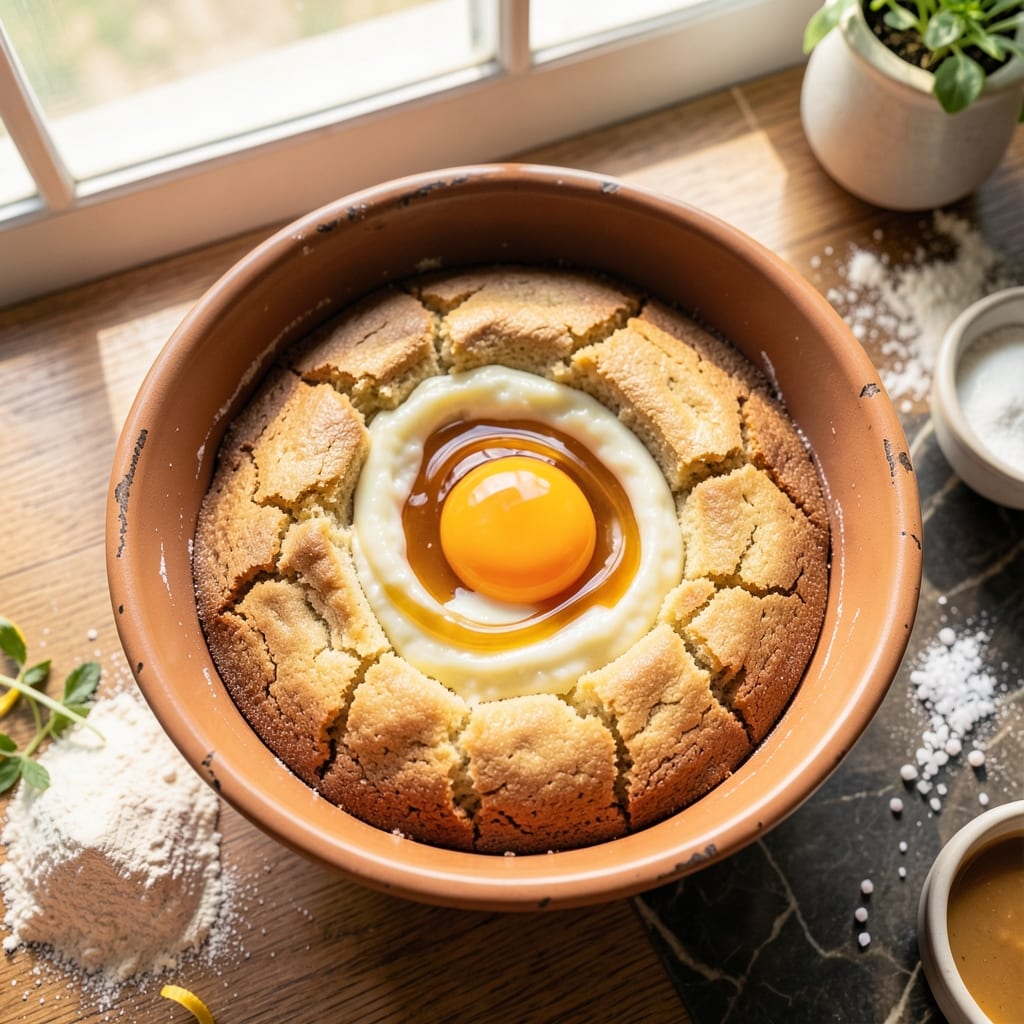
This basic one-egg cake recipe delivers perfectly fluffy layers without relying on substitutes—just one egg, simple pantry staples, and precise technique. The secret lies in properly creaming the butter and sugar, then folding in dry ingredients with gentle precision to maintain air pockets. I developed this recipe after realizing most one-egg cakes either collapse or taste dense, and this method solves both problems every time.
The magic happens in three key steps: beating the egg and sugar until pale and slightly thickened, gradually adding melted butter to create a stable emulsion, and folding in sifted flour just until combined. This approach ensures maximum rise while keeping the texture tender. For even better results, I recommend using room-temperature ingredients and baking in a well-greased pan for easy release.
What you'll end up with is a light, moist cake with a golden top and clean, sweet flavor—ideal for beginners or anyone looking to minimize waste. The recipe scales perfectly for small pans or layer cakes, and the simple batter comes together in under 10 minutes. No special equipment is needed beyond a standard mixing bowl and oven.
Once baked, the cake holds its shape beautifully for frosting or serving plain, making it perfect for practice before attempting richer recipes. The method also works as a foundation for experimenting with flavors—just add cocoa powder, citrus zest, or spices to the dry ingredients. Let's get started with this foolproof approach to one-egg baking.
Ingredients for basic 1 egg cake
Nine simple ingredients transform into a perfectly fluffy one-egg cake—no substitutions, just pure technique.
| Ingredient | Amount | Notes |
|---|---|---|
| Unsalted Butter 🧈 | ½ cup | Softened to room temperature |
| Granulated Sugar 🍚 | 1 cup | White or light brown |
| Large Egg 🥚 | 1 whole | Room temperature preferred |
| All-Purpose Flour 🌾 | 1 ½ cups | Sifted for light texture |
| Baking Powder 🍞 | 1 ½ tsp | Freshly opened for best rise |
| Fine Sea Salt 🧂 | ½ tsp | Diamond Crystal preferred |
| Vanilla Extract 🌸 | 1 tsp | Pure vanilla preferred |
| Whole Milk 🥛 | ¼ cup | Room temperature |
| Vegetable Oil 🫒 | ¼ cup | Light neutral flavor |
| Powdered Sugar 🍚 | ½ cup | For dusting or glaze |
| Fresh Blueberries 🫐 | ½ cup | Optional for decoration |
The butter and sugar are your foundation—unsalted butter ensures no hidden saltiness, and granulated sugar (not powdered) creates that signature fluffy crumb. Grab the best quality butter you can find—European-style brands like Plugrá or Land O'Lakes unsalted make all the difference. Room temperature is key: press the butter gently with your fingers—it should leave a slight imprint but not be greasy. The egg? Room temperature is non-negotiable for even baking. I always crack mine into a separate bowl first to check for any shell fragments—nothing ruins a cake like gritty surprises.
No vanilla extract? Vanilla bean paste works beautifully, or even a pinch of ground cinnamon for warmth. The milk and oil combo keeps the texture tender without needing extra eggs. Whole milk adds richness, but any milk will do in a pinch. For the flour, King Arthur or Gold Medal brands are my go-tos—they're consistent and reliable. The baking powder? Check the expiration date—old baking powder loses its lift. Pro tip: Sift the dry ingredients together first to avoid lumps, then gently fold them in. Overmixing is the enemy here—stop as soon as the batter comes together.
This cake keeps beautifully for 3 days at room temperature wrapped in foil, or 1 week in the fridge. For longer storage, slice and freeze portions for up to 3 months. The powdered sugar topping should be added fresh—it caramelizes slightly when baked, giving that perfect golden finish. Blueberries? Toss them in a little flour first to prevent sinking. And if you're feeling fancy, brush the warm cake with a simple glaze of powdered sugar and milk for extra shine. Trust me, the first slice is always the best—save a piece for later!
Why You'll Love This Recipe
- Here’s what sold me: this cake works for both. Serve it warm with a drizzle of honey for a lazy weekend breakfast, or dust it with powdered sugar for an after-dinner treat. (Yes, even on a Tuesday night.)
- No Mixer Needed: I swear by this recipe when I’m too tired to crank up the stand mixer—just cream the butter and sugar by hand (it’s easier than it sounds), crack in that egg, and fold in the dry stuff. The result? A tender crumb that doesn’t require a single gadget.
- Buttery Vanilla Hug: That single egg and butter combo delivers a richness you’d expect from a fancier cake, but with none of the fuss. The sugar caramelizes just enough to give it a subtle depth, and honestly? It tastes like a hug in cake form—simple, but ridiculously satisfying.
- Breakfast or Dessert: Here’s what sold me: this cake works for both. Serve it warm with a drizzle of honey for a lazy weekend breakfast, or dust it with powdered sugar for an after-dinner treat. (Yes, even on a Tuesday night.)
Step-by-step instructions for one-egg cake
This simple method delivers a light, fluffy cake with just one egg—no substitutions needed.
Cream Butter and Sugar Together
In a large mixing bowl, combine the 0.5 cup unsalted butter and 1 cup granulated sugar. Using an electric mixer on medium speed, beat for 3-4 minutes until the mixture is light and fluffy, nearly doubling in volume. You'll see the color change from pale yellow to a lighter shade as air incorporates. This step is crucial—it creates the cake's signature tenderness and rise.
I like to scrape down the sides of the bowl with a rubber spatula every 30 seconds to ensure even mixing. The butter should be completely smooth with no visible lumps. If you're using room temperature butter, it should leave a slight indentation when pressed with your finger—this ensures proper emulsification with the sugar.
Add Egg, Milk, Oil, and Vanilla
Add the 1 whole large egg to the butter-sugar mixture and beat on low speed for 30 seconds to combine. Increase to medium speed and beat for another 1-2 minutes until fully incorporated. The mixture should be thick and creamy.
Next, add the 0.25 cup whole milk, 0.25 cup vegetable oil, and 1 teaspoon vanilla extract. Mix on medium speed for 1 minute until everything is completely blended. The oil helps keep the cake moist without adding extra fat, while the milk provides structure. At this point, your batter should be smooth with no visible streaks of liquid.
Combine Dry Ingredients
In a separate bowl, whisk together the 1.5 cups all-purpose flour, 1.5 teaspoons baking powder, and 0.5 teaspoon fine sea salt. Sift the flour mixture directly over the wet ingredients to prevent clumping. Using a rubber spatula, gently fold the dry ingredients into the wet mixture just until combined—you should still see some flour streaks. Overmixing develops gluten, which can make the cake dense.
If you've added the 0.5 cup fresh blueberries, fold them in gently at this stage. The berries should be evenly distributed throughout the batter. For a more polished look, you can toss them in a bit of flour before adding to prevent sinking.
Prepare and Bake the Cake
Preheat your oven to 350°F. Grease an 8-inch round cake pan or line it with parchment paper for easy removal. Pour the batter into the prepared pan and smooth the top with a spatula. Bake for 25-30 minutes, or until a toothpick inserted into the center comes out clean.
Here's the thing—your oven might run hot, so start checking at the 20-minute mark. The cake is done when the edges pull away slightly from the pan and the top springs back when gently pressed. If the edges brown too quickly, loosely cover with aluminum foil.
Cool and Finish
Remove the cake from the oven and let it cool in the pan for 10 minutes. Then transfer it to a wire rack to cool completely. Once cooled, dust the top with 0.5 cup powdered sugar for a simple finishing touch. The cake will be moist but firm enough to slice neatly after cooling for 1 hour. Serve with fresh berries or a dollop of whipped cream for a classic presentation.
This one-egg cake proves you don't need multiple eggs for a light, tender crumb. The secret lies in proper mixing technique and baking time—both of which we've covered in detail to ensure perfect results every time.
Pro Tips For Making Basic 1 Egg Cake
- CREAM BUTTER AND SUGAR FIRST: Mix the butter and sugar until it’s pale yellow—not just combined, but actually lightened. I used to eyeball this and end up with a dense, heavy cake. Use a stand mixer or hand mixer on medium-high for 2-3 minutes. The butter needs to incorporate air, and rushing this step is the fastest way to ruin your texture.
- WEIGH YOUR FLOUR (NOT SCOOP): Scooping flour from the bag packs it down, adding way too much. Spoon it into a measuring cup, then level it off with a knife—no shaking or tapping. I learned this the hard way when my cake turned out like a brick. For a single egg cake, you’re only using about 1 cup, so precision matters more than you’d think.
- DON’T OVERMIX THE BATTER: Stop folding in the dry ingredients the second they’re just incorporated. Overmixing develops gluten, which makes your cake tough instead of tender. Give it 10-12 strokes max with a spatula—think "no streaks left," not "perfectly smooth." I’ve ruined cakes by turning them into pancakes this way.
- BAKE UNTIL COOLER THAN YOU THINK: The cake’s done when the center springs back slowly when pressed—not when it’s golden or smells done. Pull it out at 325°F (163°C) internal temp, then let it cool in the pan for 10 minutes before transferring. I’ve cut cakes too early, and they collapse like sad soufflés. Patience here saves the whole thing.
Best sauces and condiments for this dish
Classic Vanilla Glaze
This simple glaze elevates your one-egg cake instantly. Whisk together ½ cup powdered sugar with 1 tablespoon whole milk and ½ teaspoon vanilla extract until smooth. Drizzle over the cooled cake while it sits on a wire rack—it'll create a glossy finish that looks restaurant-worthy. For extra shine, add 1 teaspoon lemon juice to brighten the flavor. 🌸
Lemon Curd Swirl
Mix ½ cup lemon curd (store-bought or homemade) with 1 tablespoon whipped cream until smooth. Spread a thin layer on the cooled cake, then use a knife to create swirls. Top with fresh berries for a pop of color. I love this combo because the tartness cuts through the cake's sweetness beautifully.
Chocolate Ganache
Heat ½ cup heavy cream until steaming, then pour over 4 ounces chopped dark chocolate. Let sit for 2 minutes, then stir until smooth. Pour over the cake while still warm—it'll create a glossy, decadent finish. For a lighter version, use white chocolate instead. 🍫
Caramel Drizzle
Make a quick caramel by melting ½ cup granulated sugar in a saucepan over medium heat, stirring constantly until it turns golden amber. Immediately whisk in 2 tablespoons butter and 2 tablespoons heavy cream—it'll bubble up dramatically. Drizzle over the cake while warm for a glossy, buttery finish. Pair with sea salt flakes for a sophisticated touch.
Berry Compote
Simmer ½ cup mixed berries (fresh or frozen) with 1 tablespoon sugar and 1 teaspoon lemon juice for 5 minutes until thickened. Cool slightly, then spread over the cake or use as a filling between layers. The natural sweetness complements the cake's delicate flavor perfectly. 🫐
Whipped Cream Frosting
Whip ½ cup heavy cream with 2 tablespoons powdered sugar until soft peaks form. Fold in ½ teaspoon vanilla extract and spread over the cake. For extra flair, pipe rosettes around the edges. This light frosting keeps the cake's tender texture intact while adding a creamy contrast. 🥛
Nutrition facts
Frequently asked questions
Can I make this one-egg cake without an electric mixer?
Use a sturdy whisk and your arm strength to beat the butter and sugar for 5-7 minutes until light and fluffy. For the wet ingredients, simply stir vigorously with a wooden spoon. The key is patience—keep mixing until the mixture visibly lightens in color. For the dry ingredients, use a fork to gently fold them in by hand.
Why did my cake sink in the middle?
This usually happens from overmixing the batter (which develops gluten) or opening the oven door too early. To prevent it: fold dry ingredients just until combined, avoid overbaking (check at 20 minutes), and let the cake cool completely before removing from the pan. A toothpick test is your best friend—it should come out clean but moist.
Can I substitute the vegetable oil with another fat?
Yes! You can use melted butter (¼ cup) or apricot jam (¼ cup) for moisture. For a lighter texture, try unsweetened applesauce—just reduce the milk by 2 tablespoons. The oil keeps the cake tender, but these alternatives work in a pinch. Just be mindful of flavor changes (jam adds sweetness, applesauce makes it denser).
How do I adjust this recipe for a smaller or larger pan?
For an 8-inch pan, this recipe is perfect. For a 6-inch pan, reduce baking time by 5-7 minutes and use ¾ of the batter. For a 9-inch pan, increase time by 3-5 minutes and use the full batter. Always check doneness with a toothpick—size matters less than proper baking time and temperature!
Is this cake gluten-free or vegan?
Not natively, but it's easy to adapt! For gluten-free, swap the flour for a 1:1 gluten-free blend (like Bob's Red Mill). For vegan, replace the egg with ¼ cup unsweetened applesauce + 1 tsp baking powder, and use plant-based milk/oil. The texture will differ slightly, but the method remains the same—just adjust liquid ratios as needed.