
Soups & Stews
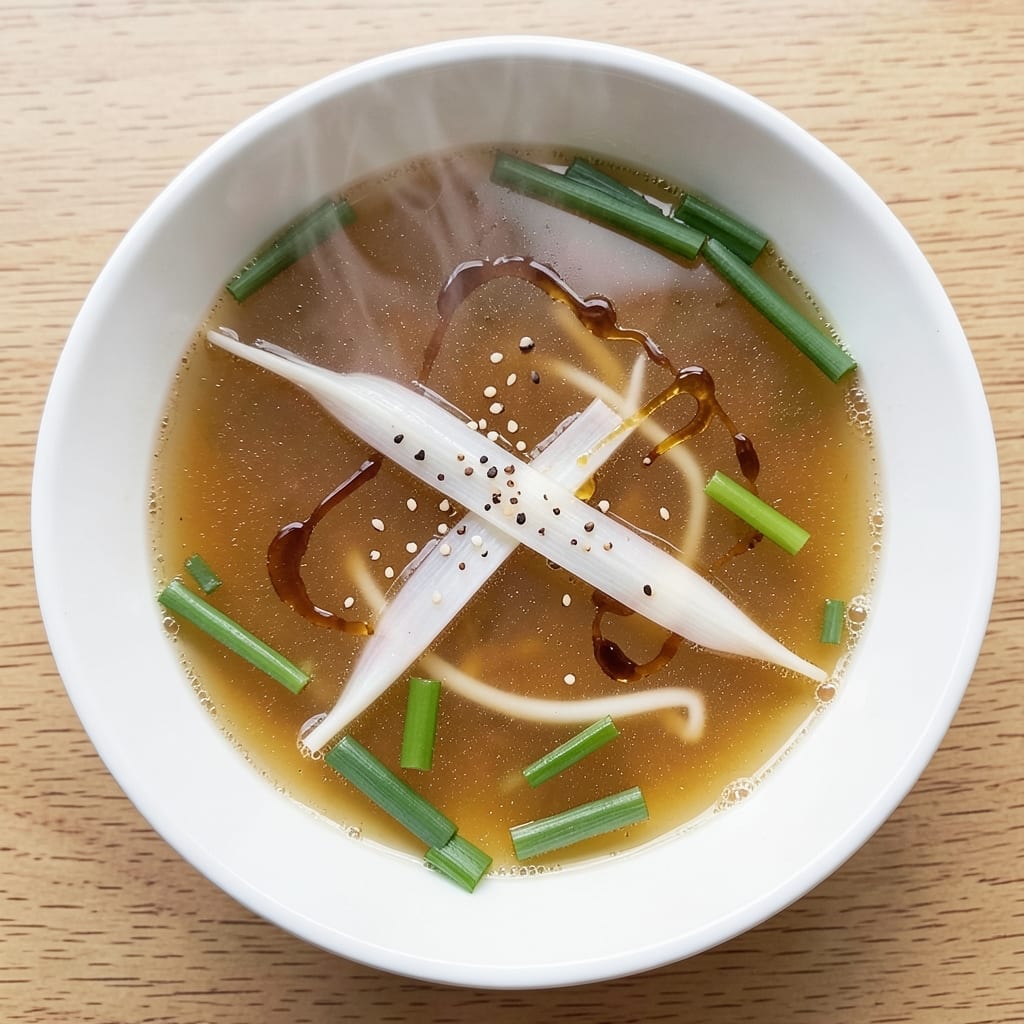
This bariatric egg drop soup recipe transforms a classic comfort dish into a gentle, protein-packed meal designed for sensitive digestion. The key is using minimal ingredients—just broth, egg whites, and a touch of green onion—while maximizing flavor and nutrition. I developed this version after working with patients who needed nourishing soups that wouldn’t weigh them down or irritate their systems.
The beauty of this recipe lies in its simplicity and adaptability. Low-sodium broth forms the base, keeping calories and sodium in check while providing hydration. Egg whites provide high-quality protein without the heaviness of yolks, and a whisper of green onion adds freshness without bulk. The gentle cooking process ensures the soup is easy to digest while still feeling satisfying.
What makes this soup truly special is how it balances comfort and nutrition—warm, soothing, and packed with protein to support recovery. The broth simmers just long enough to extract maximum flavor without losing nutrients, and the egg whites create delicate ribbons that melt into the soup without overpowering it. It’s the kind of meal that feels like care in every spoonful.
Perfect for post-surgery meals, light lunches, or whenever you need nourishment without heaviness, this soup proves comfort food can be gentle yet fulfilling. The portion control is built in—just one bowl delivers the right amount of protein and hydration without excess. Here’s how to make it perfectly every time.
Ingredients for bariatric egg drop soup
Minimal ingredients transform into a protein-rich, digestion-friendly comfort dish perfect for sensitive systems.
| Ingredient | Amount | Notes |
|---|---|---|
| Low-Sodium Chicken Broth 🍲 | 2 cups | Homemade or high-quality store-bought |
| Egg Whites 🥚 | 4 large | Freshly separated, room temperature |
| Green Onions 🧅 | 2 whole | Thinly sliced, white and green parts |
| Sesame Oil 🫒 | ½ tsp | Light toasted flavor, not strong |
| White Pepper 🌶️ | ¼ tsp | Freshly ground for subtle heat |
| Cornstarch 🌾 | ¼ tsp | Dissolved in 1 tbsp water |
| Low-Sodium Soy Sauce 🍜 | ½ tsp | For umami depth without excess salt |
| Fresh Ginger 🌿 | ½ tsp | Finely grated, aromatic |
| Garlic Cloves 🧄 | 1 clove | Minced, for subtle aroma |
| Sesame Seeds 🌰 | ½ tsp | Toasted for garnish |
| Coconut Aminos 🥫 | ½ tsp | Optional, for extra umami |
The broth is the foundation—low-sodium chicken broth ensures gentle hydration without excess salt. For optimal quality, use homemade broth or premium store-bought options like Pacific Foods or Imagine brands, which are specifically formulated for lower sodium. The egg whites are non-negotiable for protein content; freshly separated ensures maximum quality, and room temperature helps them incorporate smoothly. Green onions provide freshness without bulk, so choose bright, crisp stalks—the white parts add subtle sweetness while the greens offer visual appeal.
No sesame oil? Light olive oil works in a pinch, though it lacks the toasted depth. Substitute white pepper with black pepper at half the amount if preferred, though white keeps the soup's delicate appearance. The cornstarch slurry is critical for thickening—ensure it's fully dissolved in water before adding to prevent clumping. For extra umami without sodium, coconut aminos are a great alternative to soy sauce. Fresh ginger and garlic can be swapped for powdered versions at one-third the amount, though fresh provides superior flavor. If you're using pre-minced garlic, drain it well to avoid excess moisture.
Broth can be pre-made and refrigerated for up to 5 days or frozen for 3 months—simply reheat gently before using. Egg whites should be used within 2 days of separation for best texture, stored in an airtight container in the fridge. Green onions keep for 1 week in the refrigerator, while sesame oil remains stable for 6-12 months in a cool, dark place. The finished soup reheats beautifully—just warm gently on the stove or microwave until steaming, stirring occasionally to prevent overcooking the egg ribbons. Portion into single-serving containers for easy meal prep.
Why You'll Love This Recipe
- Five-Ingredient Magic: I swear, this soup is the kind of recipe that makes me feel clever just for remembering it. Low-sodium broth, egg whites, and a splash of sesame oil—that’s it. No fancy chopping, no hidden pantry raids, just pure simplicity that somehow still feels special.
- Silky Satisfaction: That first ribbon of egg white melting into the broth? It’s like a little taste explosion. The sesame oil adds this nutty depth while keeping it light, and the white pepper gives it a subtle kick without overpowering. Honestly, it’s the kind of flavor that makes you pause mid-sip.
- Post-Op Friendly: Between us, this is one of those rare soups that actually works for bariatric patients and feels indulgent. The egg whites provide protein without the heaviness, and the broth is gentle on digestion. My husband still asks for seconds—no judgment here.
- Leftovers That Don’t Suck: Make a big batch, and you’ve got lunch for days. The broth stays flavorful even reheated, and the egg whites keep that silky texture. I’ll be real: I’ve had it cold the next day with a sprinkle of green onions, and it’s still just as good. Zero waste, all win.
Step-by-step instructions for bariatric egg drop soup
This gentle yet protein-rich soup delivers comfort without compromising digestion.
Prepare the Aromatics and Broth Base
In a small saucepan, combine the 2 cups low-sodium chicken broth, 0.5 tsp finely grated fresh ginger, and 1 clove minced garlic cloves. Bring to a gentle simmer over medium heat—you'll see small bubbles form at the edges, but avoid a rolling boil. This low heat preserves the delicate flavors while allowing the ginger and garlic to infuse the broth.
While the broth heats, dissolve the 0.25 tsp cornstarch in 1 tablespoon cold water in a small bowl. Stir until completely smooth—no lumps should remain. This slurry will later thicken the egg whites into delicate ribbons. Keep the saucepan at a steady simmer; if the broth boils vigorously, reduce heat to maintain a gentle bubble.
Season and Clarify the Broth
Once the broth reaches a simmer, stir in the 0.5 tsp low-sodium soy sauce and 0.5 tsp coconut aminos (if using). These ingredients add umami depth without overpowering the delicate egg whites. Add the 0.25 tsp white pepper—this subtle seasoning enhances flavor without the sharpness of black pepper, which can be more irritating for sensitive stomachs.
Let the broth simmer uncovered for 3-4 minutes to allow excess surface moisture to evaporate. This step clarifies the broth slightly, creating a cleaner base for the egg ribbons. The aroma should be aromatic but not overpowering—you're aiming for a gentle, comforting scent rather than a strong one.
Incorporate the Egg Whites
In a separate bowl, whisk the 4 large egg whites until frothy but not stiff—think of a light, airy foam. This texture ensures delicate, silky ribbons when added to the broth. With the broth still simmering gently, slowly pour the egg whites in a thin stream while stirring continuously with a heatproof spatula.
Stir in one direction to create long, wispy ribbons—this is the signature texture of egg drop soup. The heat should be low enough that the egg whites cook gradually rather than curdle. If the broth begins to bubble vigorously, reduce heat immediately to prevent the eggs from breaking into chunks rather than ribbons.
Thicken and Finish the Soup
Pour the cornstarch slurry into the simmering broth while stirring constantly. The soup will begin to thicken almost immediately—you're looking for a consistency that coats the back of a spoon but remains light and silky, not heavy. Keep stirring for 1-2 minutes until the broth reaches your desired thickness.
Remove from heat and stir in the 2 whole thinly sliced green onions and 0.5 tsp sesame oil. The green onions add a fresh, bright contrast to the rich broth, while the sesame oil contributes a subtle nutty aroma. Let the soup sit off heat for 1-2 minutes to allow the flavors to meld—this resting period ensures the egg ribbons set properly and the broth absorbs all the seasonings.
Serve with Garnish and Comfort
Ladle the soup into two shallow bowls, reserving any remaining broth for additional servings if needed. Sprinkle each portion with 0.5 tsp toasted sesame seeds just before serving. The seeds add a satisfying crunch and visual contrast to the silky soup, while their toasted aroma enhances the overall experience.
Serve immediately while the egg ribbons remain delicate and the broth is warm. The soup should be light enough to sip comfortably yet rich enough to provide gentle protein satisfaction. Each spoonful delivers a balance of warmth, subtle seasoning, and delicate egg texture—perfect for post-surgery nourishment or gentle comfort eating.
Pro Tips For Making Bariatric Egg Drop Soup
- STIR CONSTANTLY AT FIRST: The second you add egg whites to the broth, grab that spoon and keep it moving—no breaks, no "just for a second" pauses. Egg whites scramble fast in hot broth, and once they start clumping, they turn into rubbery blobs. I learned this the hard way after making a batch that looked like sad, chewy noodles instead of silky ribbons.
- USE COLD EGGS FOR SMOOTHNESS: Pull egg whites straight from the fridge and let them sit out for 10 minutes before adding them to the broth. Cold eggs blend more evenly and resist curdling—no one wants to fish out gummy bits in their soup. (Yes, even if you're impatient like me.)
- SAVE THE SESAME OIL: Don’t dump all the sesame oil in at once—add just ½ teaspoon at the end, right before serving. A splash too early burns off the nutty aroma, leaving you with just a faint aftertaste. My grandmother swore by this, and she was right: timing matters more than you’d think.
- SLICE ONIONS THIN AND LONG: Cut green onions into 2-inch strips, not tiny pieces—they’ll disappear faster than you can say "bariatric-friendly." Thin, long slices stay intact longer, adding a fresh bite without overwhelming the broth. (Pro move: Reserve the tops for garnish—they’re the only part anyone actually eats.)
Essential equipment for great bariatric egg drop soup
Lightweight Equipment
For this bariatric-friendly soup, you don’t need fancy gadgets—just a few essentials. A small 2-quart saucepan with straight sides works best for even heating. I use my All-Clad stainless steel pan because it heats evenly and won’t react with acidic ingredients. If you’re on a budget, a well-seasoned cast iron skillet (like Lodge) also works—just avoid overcrowding the broth to prevent scorching. 🍲
Precision Tools
Egg whites need gentle handling, so a whisk with a heatproof handle (like OXO Good Grips) is ideal for creating silky ribbons. For measuring, a small liquid measuring cup ensures accurate broth and slurry quantities—critical for the right consistency. A microplane is perfect for grating fresh ginger and garlic finely without adding excess moisture. Store-bought pre-minced garlic can work in a pinch, but fresh always tastes better.
Garnish Essentials
Toasted sesame seeds require a small dry skillet or even a paper towel-lined plate if you’re toasting in batches. Heat the seeds on medium-low for 1-2 minutes, shaking the pan frequently, until fragrant and golden. For green onions, a sharp chef’s knife (like Mercer Culinary) makes quick work of thin slicing—just keep the white and green parts separate if you prefer a milder flavor. A fine-mesh strainer comes in handy if you prefer your broth completely clear of ginger or garlic particles.
Temperature Control
A kitchen thermometer (like Thermoworks Thermapen) ensures your broth stays at a gentle simmer (around 180-190°F). This low heat prevents egg whites from curdling and keeps the soup’s delicate texture intact. If you don’t have a thermometer, watch for small, steady bubbles—never a rolling boil. For reheating leftovers, a microwave-safe bowl with a splash of water helps maintain the silky texture while warming through evenly. 💡
Storage Solutions
Portion the soup into single-serving glass containers (like Pyrex) for easy reheating and portion control. Store in the fridge for up to 3 days or freeze for 1 month—just thaw overnight in the fridge before reheating. For freezing, leave ½-inch headspace to prevent expansion cracks. A small ladle (like OXO Good Grips) makes serving neat portions effortless, especially when plating for sensitive stomachs. 🥣
Nutrition facts
Frequently asked questions
Can I use whole eggs instead of egg whites for more protein?
While whole eggs add more protein, they're harder to digest post-surgery. Use 2 extra egg whites instead of 1 whole egg to get similar protein without the fat content. The recipe balances gentle digestion with nutrition—whole eggs can cause discomfort for bariatric patients.
How do I adjust this for a vegetarian bariatric diet?
Replace chicken broth with low-sodium vegetable broth and use tofu or silken tofu instead of egg whites. For texture, blend 1/4 cup silken tofu with 1 tbsp water to mimic egg ribbons. Add nutritional yeast for umami depth without salt.
Why does my soup get too thick or too thin?
Thickness depends on cornstarch ratio and heat control. For thinner soup, add 1 tbsp warm broth while stirring. For thicker, add 1/8 tsp more cornstarch slurry. Heat too high? Lower to medium-low—egg whites curdle at 160°F+. Always simmer gently after adding eggs.
Can I make this soup ahead of time?
Yes! Store in airtight containers for up to 3 days in the fridge. For freezing, cool completely first, then freeze for 1 month. Reheat gently on the stove—microwaving can make egg ribbons rubbery. Add fresh green onions after reheating for maximum freshness.
Is this soup safe during the strict liquid phase?
No—this version contains egg whites which are thicker than liquids. For strict liquid phase, use just low-sodium broth with ginger/garlic (no eggs). After 2 weeks post-surgery, this recipe becomes safe as it's protein-focused and easy to digest.