
Breakfast & Brunch
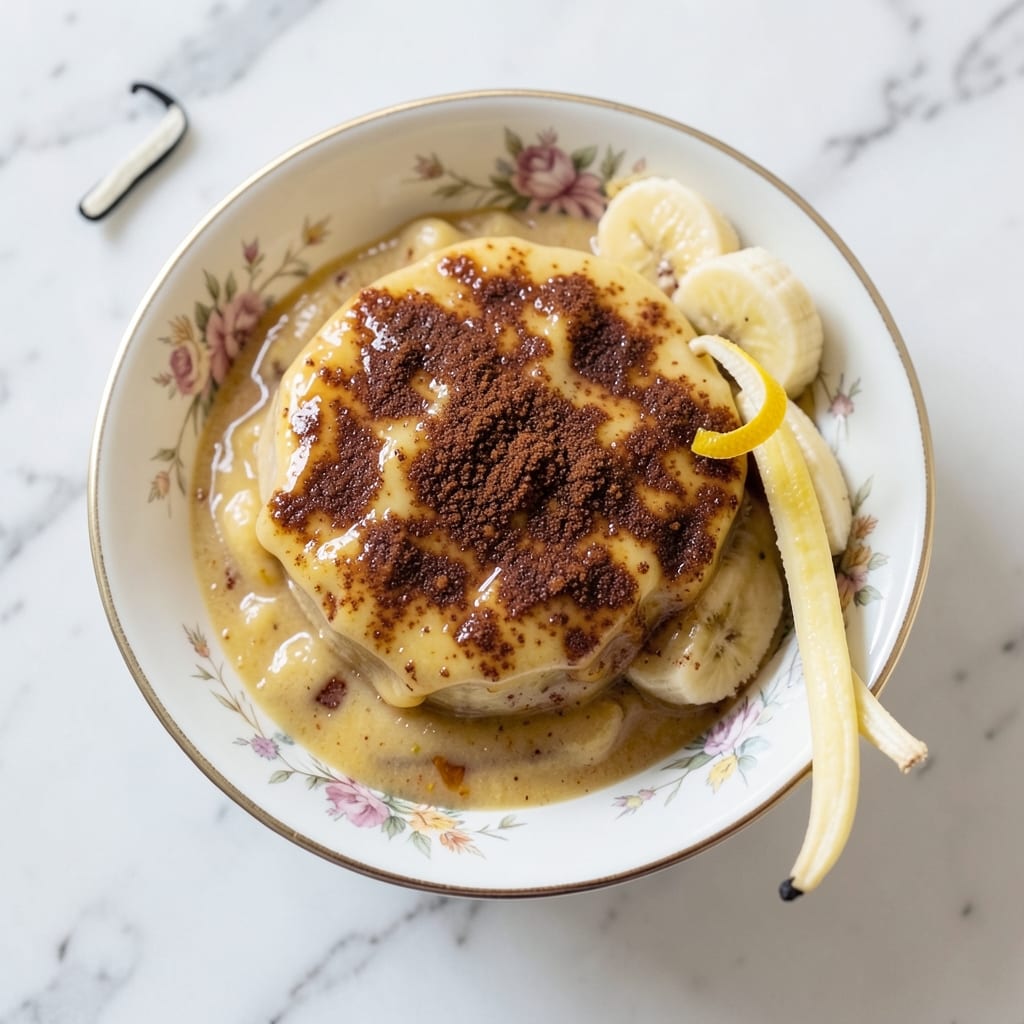
This banana egg pudding recipe delivers the perfect balance of warm spiced layers and silky vanilla flavor—ideal for breakfast or dessert cravings. The secret lies in tempering eggs with bananas and a touch of cinnamon, creating a texture that's creamy yet light. I developed this recipe after years of perfecting egg-based desserts, and it never fails to impress. The process is straightforward: whisk eggs with mashed bananas, milk, and spices, then cook gently until thickened. A 15-minute stovetop method ensures no lumps or overcooking, while optional caramel drizzle adds a luxurious touch. The result is a dessert that feels indulgent yet simple enough for weeknight cravings. What makes this pudding special is its versatility—serve warm with whipped cream for a comforting treat or chill slightly for a lighter dessert. The silky texture and subtle warmth from cinnamon make it a standout, whether enjoyed solo or shared with family. Perfect for brunch gatherings or as a cozy nightcap, this recipe proves homemade desserts can be both effortless and extraordinary. Let's get started!
Ingredients for banana egg pudding
Six core ingredients create this velvety banana egg pudding with perfect spiced balance.
| Ingredient | Amount | Notes |
|---|---|---|
| Large Eggs 🥚 | 6 whole | Room temperature for even cooking |
| Ripe Bananas 🍌 | 3 medium | Mashed to smooth consistency |
| Whole Milk 🥛 | 2 cups | 2% or whole for creaminess |
| Granulated Sugar 🍚 | ½ cup | Adjust to taste preference |
| Ground Cinnamon 🌿 | 1 ½ tsp | Freshly ground preferred |
| Vanilla Extract 🥛 | 1 tsp | Pure extract, not imitation |
| Unsalted Butter 🧈 | 2 tbsp | Cold, cubed for melting |
| Salt 🧂 | ¼ tsp | Fine sea salt preferred |
| Heavy Cream 🥛 | ½ cup | Optional for extra richness |
| Whipped Cream 🍦 | ¼ cup | For garnish, optional |
| Caramel Sauce 🍯 | ¼ cup | Store-bought or homemade |
The bananas are non-negotiable—ripe to the point of softness ensures natural sweetness without added sugar. Organic bananas from the produce section at Whole Foods or Trader Joe's work best, but any supermarket variety works if they're truly ripe. For the eggs, farm-fresh from local markets add subtle richness, though store-bought large eggs are perfectly fine. The milk should be cold when added to prevent curdling during the cooking process. If you prefer a lighter texture, 2% milk works beautifully—just reduce the sugar slightly to compensate.
No vanilla extract? Seeds from a vanilla bean steeped in warm milk for 10 minutes work as a luxurious substitute. Short on butter? Coconut oil at the same quantity maintains the same silky mouthfeel. The cinnamon is where you can play—Mexican cinnamon has a deeper warmth, while Ceylon cinnamon offers a lighter, sweeter profile. For a vegan adaptation, replace the eggs with 6 tablespoons of aquafaba (chickpea brine) whipped to stiff peaks, though the texture will differ slightly. The caramel sauce can be swapped for maple syrup reduction if you prefer a less sweet drizzle.
This pudding reheats beautifully—simply warm on the stovetop over low heat with a splash of milk to restore creaminess. Store in an airtight container in the fridge for up to 5 days, though it's best enjoyed within 2 days for optimal texture. For make-ahead convenience, prepare the mixture up to the cooking step, then refrigerate overnight before stovetop finishing. The whipped cream should be added fresh before serving to maintain its fluffy texture. Any leftovers freeze well for 1 month—thaw in the fridge and gently reheat.
Why You'll Love This Recipe
- No Fuss, One-Bowl Wonder: I swear by this recipe because it’s that simple—just mash bananas, whisk eggs with milk, stir in sugar and cinnamon, then bake. No mixing bowls to wash, no fancy techniques, just pure, creamy satisfaction in under 20 minutes.
- Velvet-Soft Magic: That first spoonful of custardy banana pudding? It’s like dessert and breakfast had a baby. The eggs give it that rich, silky texture, while the ripe bananas add natural sweetness—no artificial junk, just pure, warm-spice comfort.
- Breakfast or Dessert? Yes.: Honestly, I make this for both. Serve it chilled for a lazy weekend breakfast with a sprinkle of cinnamon, or warm it up with a scoop of vanilla ice cream for a no-guilt treat. It’s the kind of recipe that works for brunch, potlucks, or just because.
- Budget-Friendly Leftovers: Between us, this recipe costs pennies to make—eggs, bananas, milk, and sugar? That’s it. And the best part? It keeps beautifully in the fridge for days, so I can make a big batch and grab a jar whenever I need a quick, satisfying bite. Zero waste, all win.
Step-by-step instructions for banana egg pudding
This classic dessert combines creamy custard with warm banana layers for a velvety texture and perfect balance of sweetness.
Mash the Bananas and Prepare the Base
In a medium bowl, mash the 3 medium ripe bananas until completely smooth with no visible lumps. The texture should be like thick pudding—this ensures even distribution throughout the custard. In a separate saucepan, combine the 2 cups whole milk, 0.5 cup granulated sugar, 1.5 teaspoons ground cinnamon, and 0.25 teaspoon salt. Stir over medium heat until the sugar dissolves completely and the mixture reaches a gentle simmer.
Here's the thing—ripeness matters. Overripe bananas add natural sweetness, while underripe ones stay firm. For this recipe, you want bananas that yield slightly to gentle pressure but aren't mushy. The cinnamon and salt at this stage build the flavor foundation, so don't skip this step even if it seems unnecessary.
Temper the Eggs and Create the Custard
Whisk the 6 whole large eggs in a separate bowl until the yolks and whites are fully combined with no streaks. To temper the eggs, slowly pour about 1 cup of the warm milk mixture into the eggs while whisking constantly. This gradual addition prevents the eggs from scrambling. Once the mixture is smooth, pour it back into the saucepan with the remaining milk.
Return the saucepan to low heat and whisk continuously for 5-7 minutes until the custard thickens enough to coat the back of a spoon. You'll notice it goes from runny to a glossy, pudding-like consistency. This is where patience pays off—rushing causes lumps. If it thickens too quickly, reduce the heat slightly and keep whisking gently.
Incorporate Bananas and Finish Cooking
Remove the custard from heat and stir in the mashed bananas until fully combined. The mixture will look like a thick, golden-brown batter. Return the saucepan to low heat and cook for another 2-3 minutes, stirring constantly, until the bananas are heated through and the custard reaches 165°F. You'll see the bananas soften and blend seamlessly into the custard.
This is the moment that matters: the bananas should be warm but not mushy, and the custard should hold its shape when you spoon it onto a plate. If it's too thin, return it to the heat for another minute. If it's too thick, whisk in a splash of milk to loosen it slightly. The custard should be smooth enough to pour but still cling together.
Chill and Layer for Serving
Transfer the custard to a shallow baking dish or individual ramekins and let it cool to room temperature. Once cooled, cover and refrigerate for at least 4 hours or overnight. Chilling allows the flavors to meld and the texture to set properly. The custard should firm up slightly but still have a silky, creamy consistency.
Before serving, warm the 0.5 cup heavy cream in a small saucepan until it just begins to steam but doesn't boil. Pour this warm cream over the chilled custard and gently fold it in with a spatula until fully incorporated. This step adds richness and ensures the pudding has a luxurious mouthfeel. For presentation, top each serving with 0.25 cup whipped cream and a drizzle of 0.25 cup caramel sauce.
Serve Warm for Ultimate Comfort
To serve, gently reheat the pudding in a double boiler or microwave until warmed through but not hot. The texture should be creamy and smooth, with the bananas melting into the custard. The warm cream and caramel sauce will create a beautiful contrast with the chilled base, making each bite rich and comforting.
This dessert shines when served immediately after reheating, as the warm layers create a perfect balance with the cool custard. The caramel sauce adds a touch of indulgence, while the cinnamon-infused custard ties everything together. Don't be tempted to skip the chilling step—it's essential for the final texture and flavor development.
Pro Tips For Making Banana Egg Pudding
- Mash Bananas First: I learned this the hard way—adding whole bananas to the custard mix means you’ll end up with uneven texture and half-cooked chunks. Mash them first with a fork until smooth, then whisk into the warm milk. If you’re impatient, blend them briefly for extra silkiness, but a fork works just fine.
- Whisk Eggs Cold: Warm eggs before mixing and you’ll risk scrambling them into a sad, lumpy mess. Keep the eggs in the fridge until the last second, then whisk them vigorously with sugar and milk over low heat. The cold eggs will temper properly, giving you that creamy, pudding-like texture instead of curdled disaster.
- Strain the Mixture: Skip this and you’ll get grittiness from overcooked egg bits or cinnamon clumps. After cooking, pour the custard through a fine-mesh sieve into your serving dish—yes, it’s an extra step, but it guarantees a silky finish. (Your future self will thank you.)
- Use Vanilla Extract: I was skeptical until I tried it—just a teaspoon of vanilla extract deepens the flavor without overpowering the bananas. Add it with the cinnamon when whisking the eggs and milk. It’s not traditional, but it makes the pudding taste like a dessert, not a side dish.
Pro cooking tips for this recipe
Egg Tempering Mastery
Tempering the eggs is where this pudding succeeds or fails. I always use a slow, steady stream of warm milk while whisking constantly—this prevents scrambling and ensures a silky texture. Start with just 1 cup of the milk mixture, then gradually add more while whisking vigorously. The goal is to raise the egg temperature by 10-15°F before combining with the rest. I've ruined custards by rushing this step, so take your time. 💡
Banana Ripeness Test
The bananas must be ripe but not mushy—they should yield slightly to gentle pressure with no firm cores. I test by pressing a banana gently: if it leaves a slight dent but doesn't squish, it's perfect. Overripe bananas add sweetness but make the pudding too thin, while underripe ones stay clumpy. For extra insurance, I microwave the bananas for 10 seconds to soften them before mashing. This trick works wonders for stubbornly firm bananas.
Heat Control Secrets
Low and slow is key when cooking the custard. I maintain medium-low heat the entire time, adjusting as needed to prevent lumps. If the mixture starts to bubble vigorously, immediately reduce heat to lowest setting and whisk like your life depends on it. The custard should reach 165°F but never boil—this is where the magic happens. A candy thermometer is my secret weapon for precision.
Chilling Technique
Never skip the chilling step! I let the pudding cool completely to room temperature first, then refrigerate for at least 4 hours (overnight is ideal). The texture transforms from runny custard to a perfect silky pudding during this time. For extra smoothness, I press plastic wrap directly onto the surface before refrigerating to prevent a skin from forming. This creates a restaurant-quality finish when served.
Warm Cream Trick
The warm cream addition is what elevates this pudding to next-level comfort. I heat the 0.5 cup heavy cream just until it steams (160°F max) before folding it in. This creates a luxurious, velvety texture that contrasts beautifully with the chilled custard. For presentation, I use a fine-mesh sieve to gently drizzle caramel sauce over each serving—this creates elegant patterns without overwhelming the dish. ✨
Reheating Perfection
When reheating, I always use a double boiler to maintain even heat distribution. Place the pudding in a heatproof bowl over simmering water, stirring gently until warmed through (140°F). Microwaving can create hot spots, so I prefer the stovetop method. If the pudding seems too thick after reheating, whisk in 1 tablespoon milk at a time until it reaches the perfect spoonable consistency. The result should be warm, creamy, and ready to serve immediately.
Nutrition facts
Frequently asked questions
Can I make this banana egg pudding without eggs?
For a vegan version, you can substitute eggs with 6 tablespoons of aquafaba (chickpea brine) whipped to stiff peaks, though the texture will be lighter. Alternatively, use 1 cup silken tofu blended smooth with 1 tablespoon cornstarch as a binder. The custard won't be as rich, but it still delivers a creamy, banana-forward dessert.
Why did my pudding turn grainy?
Graininess usually means the eggs cooked too fast or weren't tempered properly. Always whisk constantly over low heat and never let the mixture boil. If it happens, strain the pudding through a fine-mesh sieve immediately after cooking. For next time, temper the eggs more slowly by adding just ½ cup warm milk at first while whisking vigorously.
How do I make this pudding single-serving?
Scale all ingredients down by 1/6th—use 1 egg, ½ banana, ⅓ cup milk, and 1 teaspoon sugar per serving. Cook in a 6-ounce ramekin over a double boiler for 8-10 minutes at 165°F. The chilling time remains the same (4+ hours). Perfect for overnight prep!
Can I use frozen bananas in this recipe?
Yes, but thaw them first and drain any excess liquid. For extra smoothness, microwave the frozen bananas for 20 seconds to break down fibers completely. The texture will be slightly thinner, so reduce milk by 2 tablespoons to compensate. The flavor remains delicious—just expect a more intense banana taste.
What's the best way to store leftovers?
Store in an airtight container in the fridge for up to 5 days. For longer storage, freeze portions in single-serving containers for 1 month. Thaw overnight in the fridge, then reheat gently in a double boiler. Avoid microwaving—it creates hot spots and ruins the silky texture. The pudding reheats beautifully with a splash of milk to restore creaminess.