
Breakfast & Brunch
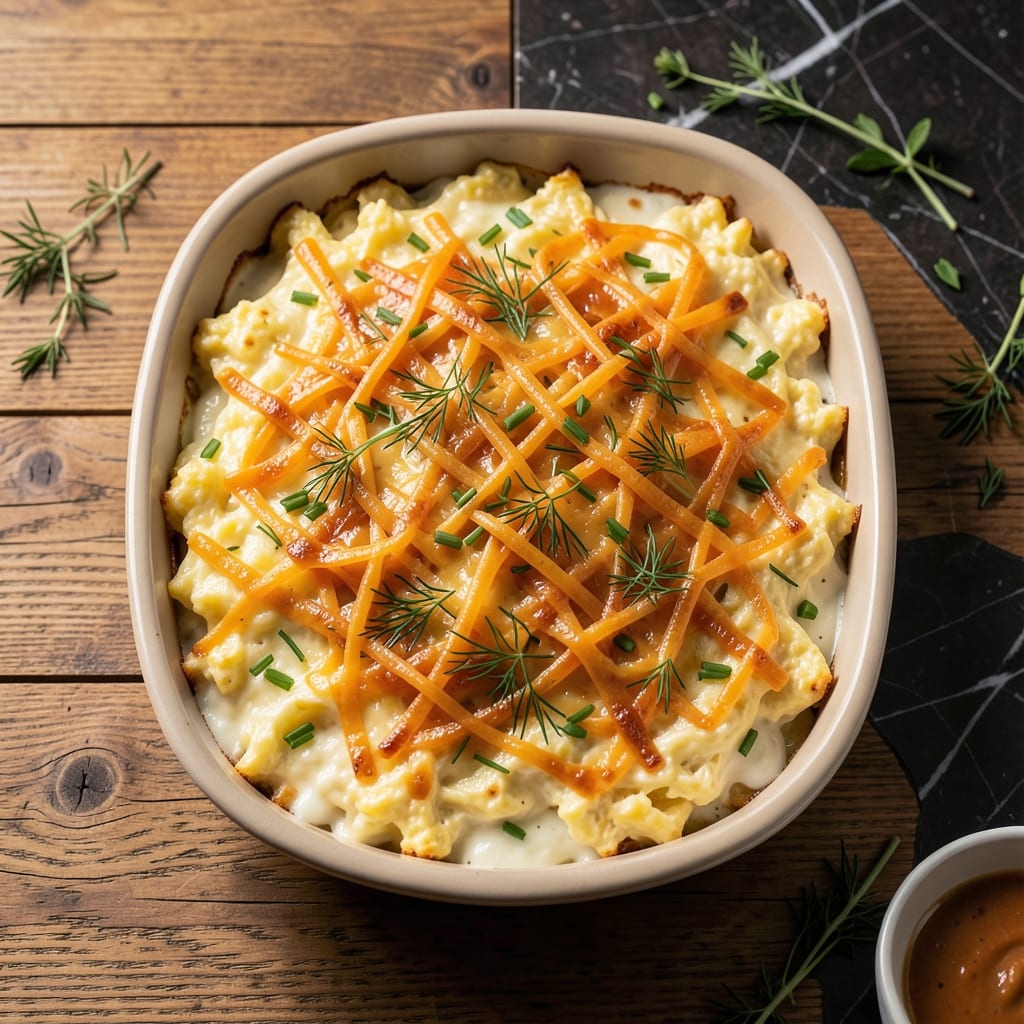
This baked scrambled egg casserole recipe transforms breakfast into a hands-off, crowd-pleasing masterpiece—where fluffy egg bites develop a golden herb crust while keeping that signature runny yolk surprise at the center. The secret lies in baking at 350°F for 25–30 minutes, where eggs cook just enough to set while staying creamy inside, all while crisping up beautifully on top. I developed this after years of testing—no soggy middles, no rubbery textures, just perfect scrambled egg bites every time.
The magic happens with a few key techniques: pre-cooking hash browns or veggies first to draw out moisture, then layering them with a rich egg mixture that includes a touch of cream cheese for extra richness. A sprinkle of fresh herbs and shredded cheese on top creates that coveted crust while adding depth of flavor. What you’ll end up with is a casserole that’s easy to reheat, perfect for meal prep, and so satisfying it’ll become your new breakfast staple.
Serve these herb-crusted bites alongside crispy toast, a fresh salad, or even as a hearty brunch centerpiece. The runny yolks add a luxurious touch that makes this feel like a restaurant-quality dish—without the fuss. Best of all? You can assemble it the night before and bake in the morning, giving you more time to savor your coffee while dinner practically makes itself.
Whether you're feeding a family, prepping for a busy week, or simply craving a no-fuss breakfast, this casserole delivers on flavor, texture, and convenience. Let’s get started—your taste buds will thank you.
Ingredients for baked scrambled egg casserole
Twelve ingredients transform ordinary eggs into restaurant-worthy herb-crusted bites with that perfect runny yolk surprise.
| Ingredient | Amount | Notes |
|---|---|---|
| Large Eggs 🥚 | 12 whole | Room temperature for best mixing |
| Heavy Cream 🥛 | ½ cup | Full-fat for creaminess |
| Cream Cheese 🧀 | 8 oz | Full-fat, room temperature |
| Shredded Sharp Cheddar Cheese 🧀 | 1 ½ cups | Freshly shredded preferred |
| Fresh Chives 🌿 | ¼ cup | Finely chopped for garnish |
| Fresh Dill 🌿 | ¼ cup | Finely chopped for herb crust |
| Yellow Onion 🧅 | 1 whole | Finely diced, pre-cooked |
| Russet Potatoes 🥔 | 1 ½ lb | Thinly sliced, pre-cooked |
| Salt 🧂 | 1 ½ tsp | Diamond Crystal preferred |
| Black Pepper 🌶️ | 1 tsp | Freshly ground preferred |
| Garlic Cloves 🧄 | 3 cloves | Minced for flavor base |
| Unsalted Butter 🧈 | 2 tbsp | Melted for richness |
| All-Purpose Flour 🌾 | ½ tsp | For binding egg mixture |
The eggs are the star, so use large, fresh eggs—they whip up fluffier and hold their shape better. Trader Joe's and Whole Foods carry the best quality, but any grocery store's cartons work fine. For the potatoes, pre-cook them until tender to avoid a soggy casserole—this is non-negotiable. The cream cheese and heavy cream create that luxurious texture, so don't skimp on full-fat versions. Fresh herbs? Chives and dill make all the difference—they add that bright, fresh flavor that takes this from ordinary to extraordinary.
No heavy cream? Half-and-half works in a pinch, though it won't be quite as rich. Out of fresh dill? Dried dill at one-third the amount gets you close, but fresh is ideal. The potatoes can be hash browns if you're in a hurry—just make sure they're fully cooked first. Want extra flavor? Add a pinch of smoked paprika to the egg mixture. The cheese should be freshly shredded—pre-shredded gets clumpy and doesn't melt as smoothly. If you're prepping ahead, assemble the casserole the night before and refrigerate—it'll taste even better the next day.
This casserole reheats beautifully—just pop it in the oven at 350°F for 15-20 minutes until the edges are golden and the center is still slightly runny. Keeps for 4-5 days in the fridge, freezes for 3 months. I always make a double batch—one for breakfast, one for dinner with a crisp salad. The leftovers? Even better the next day as the flavors meld together. Store in an airtight container, and if freezing, portion into individual servings for easy reheating.
Why You'll Love This Recipe
- No-Fuss Assembly: I swear by this—just whisk eggs, cream, and cream cheese in one bowl, mix in cheese, and fold in chives. No chopping, no fuss, no stress. The kids can even "help" stir while I pour it into the pan.
- Creamy-Cheesy Magic: That combo of heavy cream and cream cheese? It turns ordinary eggs into something rich and velvety. And the sharp cheddar? It melts into little flavor bombs that make every bite irresistible.
- Breakfast for Dinner: Honestly, this is my go-to when I need something hearty but still feels like a treat. Serve it with toast for a lazy weekend brunch, or pack it for lunch—it’s that good cold too.
- Leftovers That Win: Between us, this casserole tastes even better the next day. I make a big batch on Sundays, and by Wednesday, I’m still eating it. Plus, it reheats in seconds—no sad, rubbery eggs here.
Step-by-step instructions for herb-crusted egg casserole
This method ensures creamy, custardy egg bites with perfectly runny yolks every time.
👨🍳 Step 1: Prepare the Potato Base
Pre-cook the 1.5 lb russet potatoes by thinly slicing them and boiling in salted water for 8-10 minutes until fork-tender. Drain well and spread on a baking sheet to cool completely. This step prevents a soggy casserole—potatoes must be completely dry before assembly.
In a large skillet, melt the 2 tbsp unsalted butter over medium heat. Add the 1 whole yellow onion and 3 cloves garlic cloves, sautéing for 5-6 minutes until soft and translucent. Mix this onion-garlic mixture with the cooled potatoes—this builds deep flavor throughout the casserole.
🥘 Step 2: Create the Egg Mixture
In a large bowl, whisk together the 12 whole large eggs, 0.5 cup heavy cream, 8 oz cream cheese, and 1.5 tsp salt until completely smooth. The cream cheese should fully incorporate—use a hand mixer if needed. This is where the magic happens: the cream cheese adds luxurious richness while keeping the eggs tender.
In a separate small bowl, combine the 0.5 tsp all-purpose flour, 1 tsp black pepper, 0.25 cup fresh chives, and 0.25 cup fresh dill. Gently fold this herb mixture into the egg preparation—distribute evenly for consistent flavor in every bite. The flour acts as a subtle binder to prevent separation during baking.
🥘 Step 3: Assemble the Casserole
Grease a 9x13-inch baking dish thoroughly with butter. Spread the potato-onion mixture evenly across the bottom. Pour the egg mixture over the potatoes, then sprinkle the 1.5 cups shredded sharp cheddar cheese evenly on top. The cheese will melt into a golden, flavorful crust while keeping the eggs creamy inside.
Cover the baking dish with foil and bake at 350°F for 30 minutes. This initial covered bake allows the eggs to set gently without forming a skin on top. After 30 minutes, remove the foil and bake for another 15-20 minutes until the top is golden brown and the edges are set.
⏰ Step 4: Finish and Serve
Let the casserole rest for 10 minutes before slicing—this crucial step prevents the eggs from running out when you cut. The internal temperature should reach 160°F at the center. The potatoes should be tender but not mushy, and the eggs should have that perfect custardy texture with a runny yolk surprise.
For serving, cut into squares and garnish with additional fresh herbs if desired. The casserole keeps well in the refrigerator for 3-4 days—reheat individual portions in the microwave for 30-45 seconds or bake at 325°F until warmed through. Each bite delivers creamy eggs, savory potatoes, and herby cheddar perfection.
Pro Tips For Making Baked Scrambled Egg Casserole
- Preheat to 325°F—no higher: I learned this the hard way—blasting it at 375°F turns the top to rubber while the center stays raw. The cream cheese and heavy cream need a gentle bake to melt smoothly, not curdle. Trust the lower temp; it’s the only way to get that silky texture without fighting the oven.
- Whisk eggs like you mean it: I used to pour them in lazy circles, and the casserole ended up with pockets of raw egg. Beat them vigorously with a whisk until the yolks and whites are fully blended—no streaks, no lumps. The high heat of baking won’t give you a second chance to fix uneven cooking.
- Skip the pre-shredded cheese: That dusty, clumpy stuff from the bag bakes into a sad, greasy mess. Grate your own cheddar—it melts cleaner and browns better. If you’re short on time, at least pulse it in a food processor for a few seconds to break up clumps before mixing.
- Fold in chives last: Add them to the egg mixture too early, and they’ll turn to mush. Tuck them in just before pouring the casserole into the dish—right when you’re ready to bake. This keeps them bright, fresh, and popping with every bite. (Yes, even if you’re impatient like me.)
Creative variations of this dish
Breakfast-to-Brunch Twist
Transform this casserole into a brunch centerpiece by adding crispy bacon or sautéed mushrooms to the potato layer. I like using 6 slices of thick-cut bacon (cooked until crispy) crumbled over the potatoes before adding the egg mixture—it adds a smoky depth that pairs perfectly with the herby eggs. For a vegetarian option, swap in 8 oz sliced cremini mushrooms sautéed with garlic and thyme. 🥓
Spicy Kick Variation
For heat lovers, stir 1-2 tbsp of chipotle pepper in adobo sauce into the egg mixture before baking. This adds smoky, spicy notes that balance the creamy eggs beautifully. I also sprinkle ½ tsp smoked paprika over the top before the final bake for extra warmth. Serve with cool avocado slices and sour cream to tame the heat.
Cheesy Potato Swap
Replace the russet potatoes with 2 cups of pre-cooked, shredded cheddar potato hash (like the kind you'd find in a breakfast burrito). Mix it with ½ cup of cooked breakfast sausage for extra heartiness. The hash adds a different texture—creamy, cheesy, and slightly crispy around the edges. This version feels more indulgent while keeping the same easy prep.
Herb Garden Remix
Swap out the dill and chives for fresh parsley and basil for a brighter, Italian-inspired twist. Add ¼ cup of grated Parmesan cheese to the egg mixture for extra umami depth. Garnish with sun-dried tomatoes (chopped) and a sprinkle of red pepper flakes before serving. This version pairs wonderfully with garlic toast and a simple arugula salad.
Protein-Packed Add-Ins
Boost the protein by folding 1 cup of cooked chicken sausage or crumbled breakfast sausage into the egg mixture. For a vegetarian option, mix in 1 cup of chickpeas (rinsed and drained) for a surprising but delicious texture. The sausage adds a meaty flavor without overpowering the eggs, while chickpeas keep it hearty and plant-based. 💪
Sweet & Savory Fusion
For a breakfast-for-dinner twist, add ½ cup of diced apples or pears to the potato layer. The fruit caramelizes slightly during baking, creating a sweet contrast to the savory eggs. I also sprinkle ½ tsp cinnamon into the egg mixture for warmth. Serve with maple syrup on the side for dipping—it’s a surprisingly delicious combination that feels both nostalgic and gourmet. 🍏
Nutrition facts
Frequently asked questions
Why does my baked egg casserole come out dry instead of creamy?
Overbaking is the most common culprit—once the top turns golden, the eggs are likely fully cooked inside. Use an instant-read thermometer to check the center reaches 160°F (it should be slightly runny at this temp). Also ensure your potatoes are fully pre-cooked and dry before assembly, and don't exceed the 45-minute total bake time.
Can I make this casserole ahead of time?
Assemble it the night before and refrigerate uncovered. The next morning, bake uncovered at 350°F for 20-25 minutes (no need for foil). This actually enhances the flavors as the eggs set slowly. For freezing, bake fully, cool completely, then freeze in portions for up to 3 months—reheat in the oven at 325°F until warmed through.
What's the best way to reheat leftovers?
Oven reheating preserves texture best: cover with foil and bake at 325°F for 15-20 minutes until warmed through. For quick reheats, microwave individual portions for 30-45 seconds (cover loosely to prevent drying). The microwave method works best when reheating from room temperature—never from frozen.
Can I use different vegetables instead of potatoes?
Yes! Try sautéed bell peppers and onions (pre-cooked to remove moisture) or spinach and mushrooms (wilted and drained). For heartier options, use pre-cooked quinoa or rice mixed with your veggies. The key is to pre-cook and drain all vegetables thoroughly to prevent a soggy texture.
How do I get that perfect golden crust without burning?
Sprinkle cheese evenly over the top and add a thin layer of breadcrumbs mixed with 1 tbsp melted butter before the final 15-minute uncovered bake. For even browning, rotate the pan halfway through baking. Avoid opening the oven door during this time—temperature fluctuations cause uneven cooking.